Chinese Zodiac Art in 10 Styles
Twelve animals × ten painting styles = 120 illustrations, all wordless and free to pin.
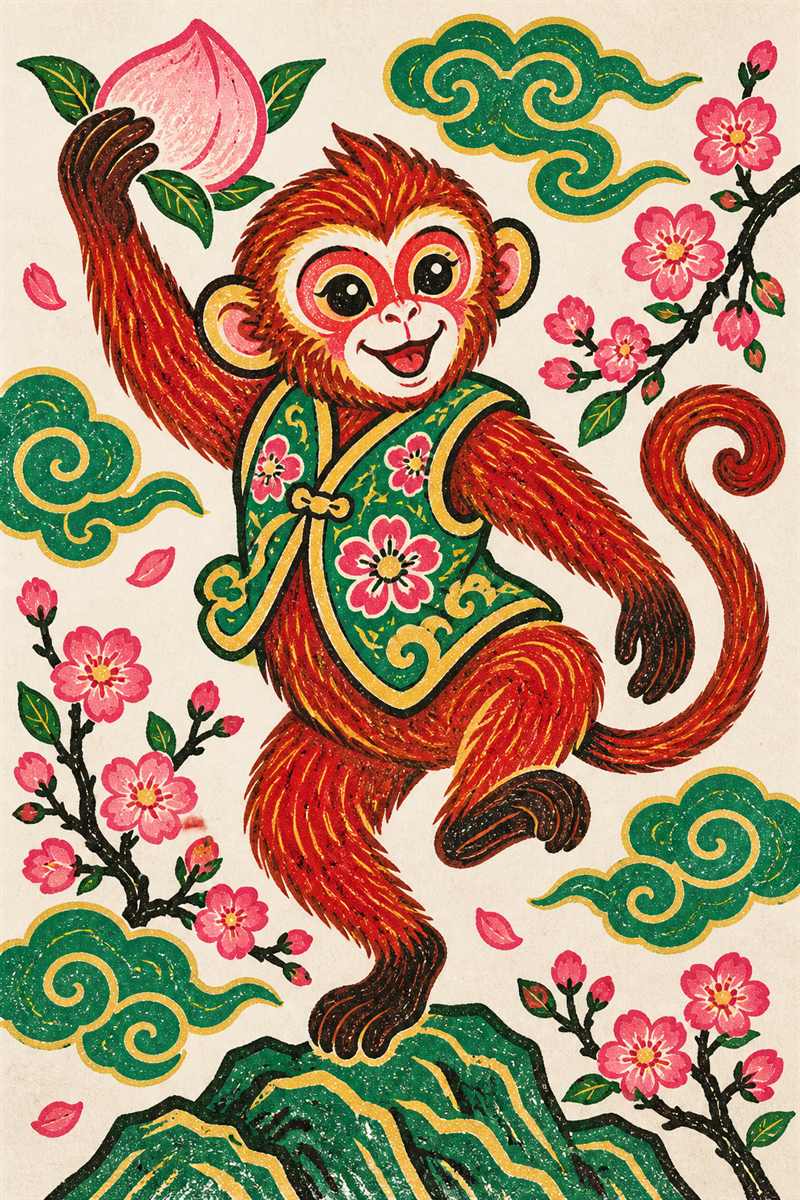
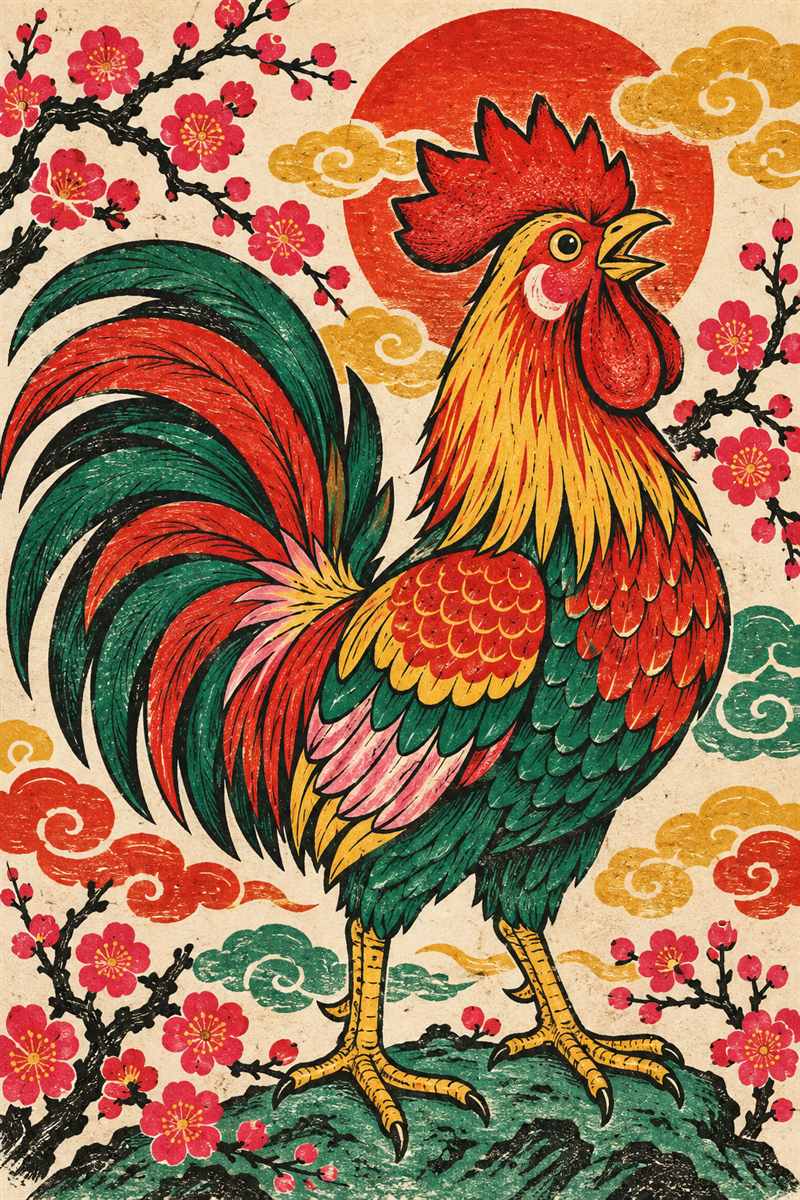
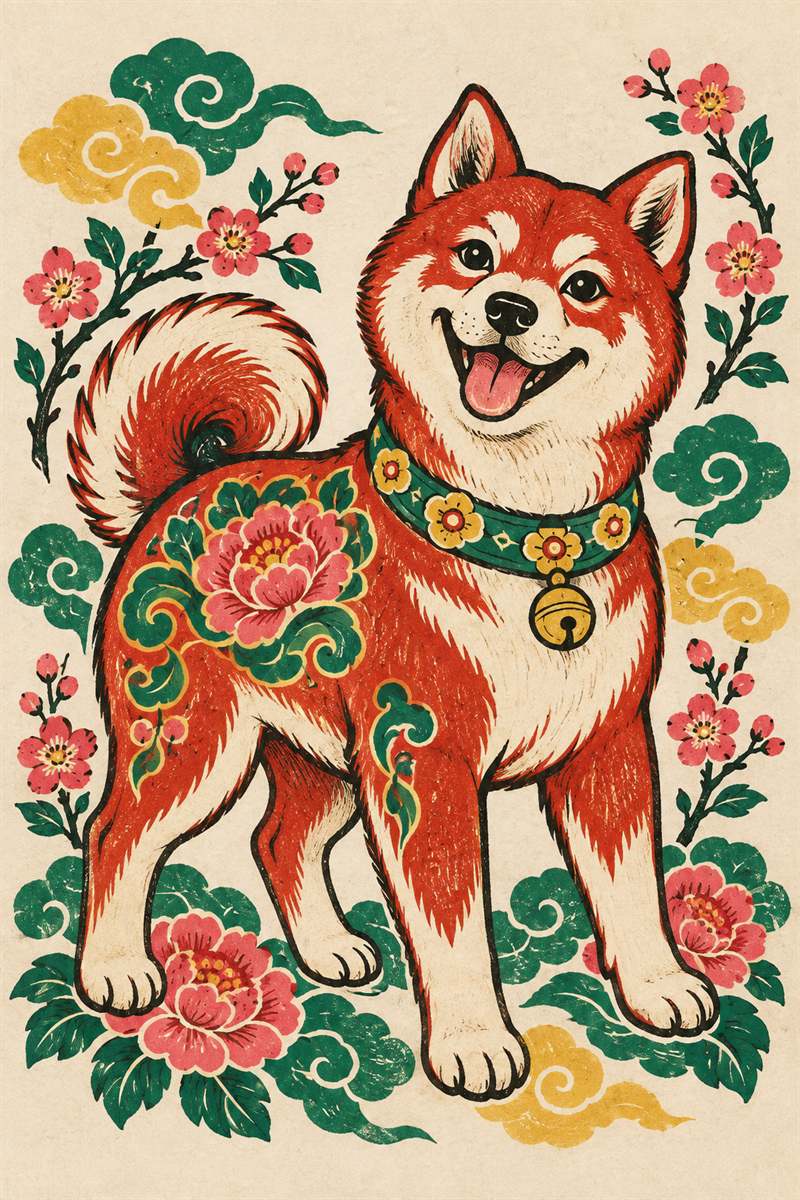
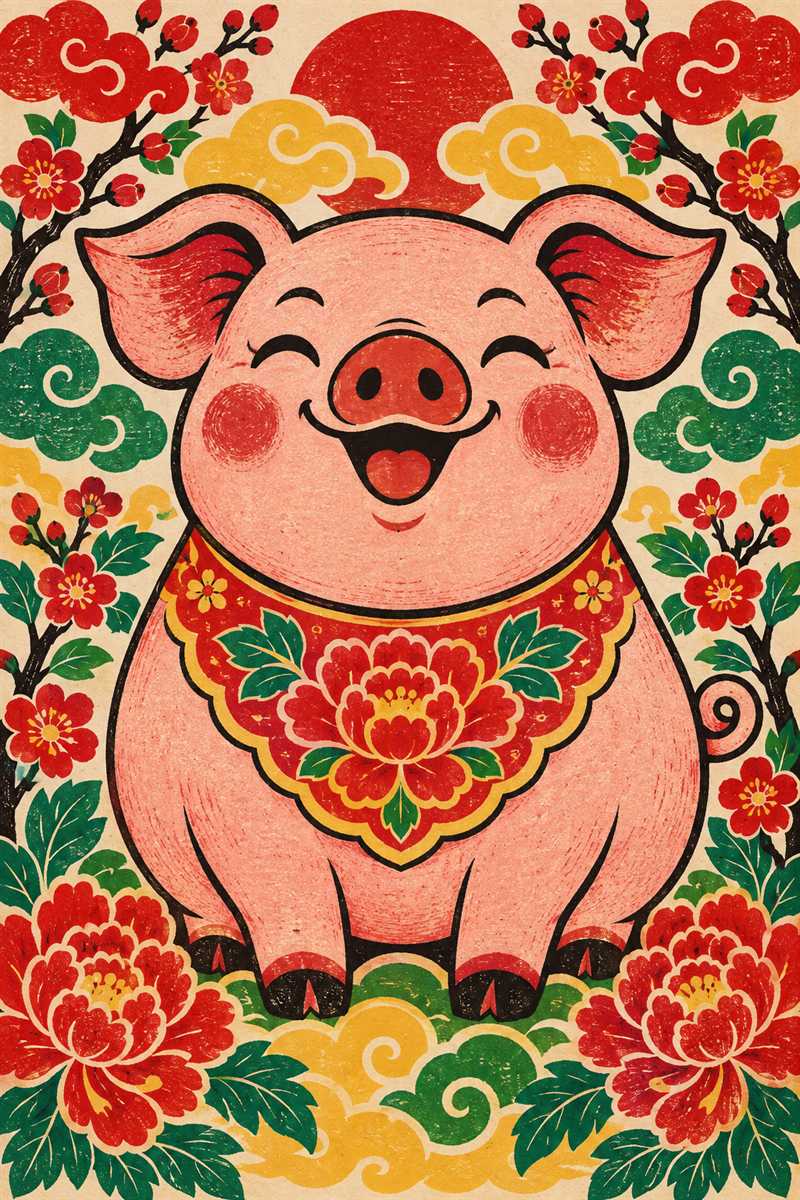
Every one of the twelve Chinese zodiac animals on this site is drawn ten times over, once in each of the ten styles below — 120 illustrations, all of them wordless so they work in any language. Seven of the ten are traditional Chinese painting and printing methods, and they are genuinely different crafts rather than filters over the same picture: ink wash is monochrome brushwork on absorbent paper that leaves most of the sheet empty, while gongbi is its opposite, an outline drawn first and then filled with layered mineral pigment. Paper-cut and New Year woodblock come from folk workshops rather than the court — one cut from a single sheet of red paper, the other printed from carved blocks in flat, loud colour. Blue-and-white porcelain borrows the cobalt-under-glaze painting of the Jingdezhen kilns, and the Dunhuang set copies the mineral palette and weathered plaster of the Mogao cave murals.
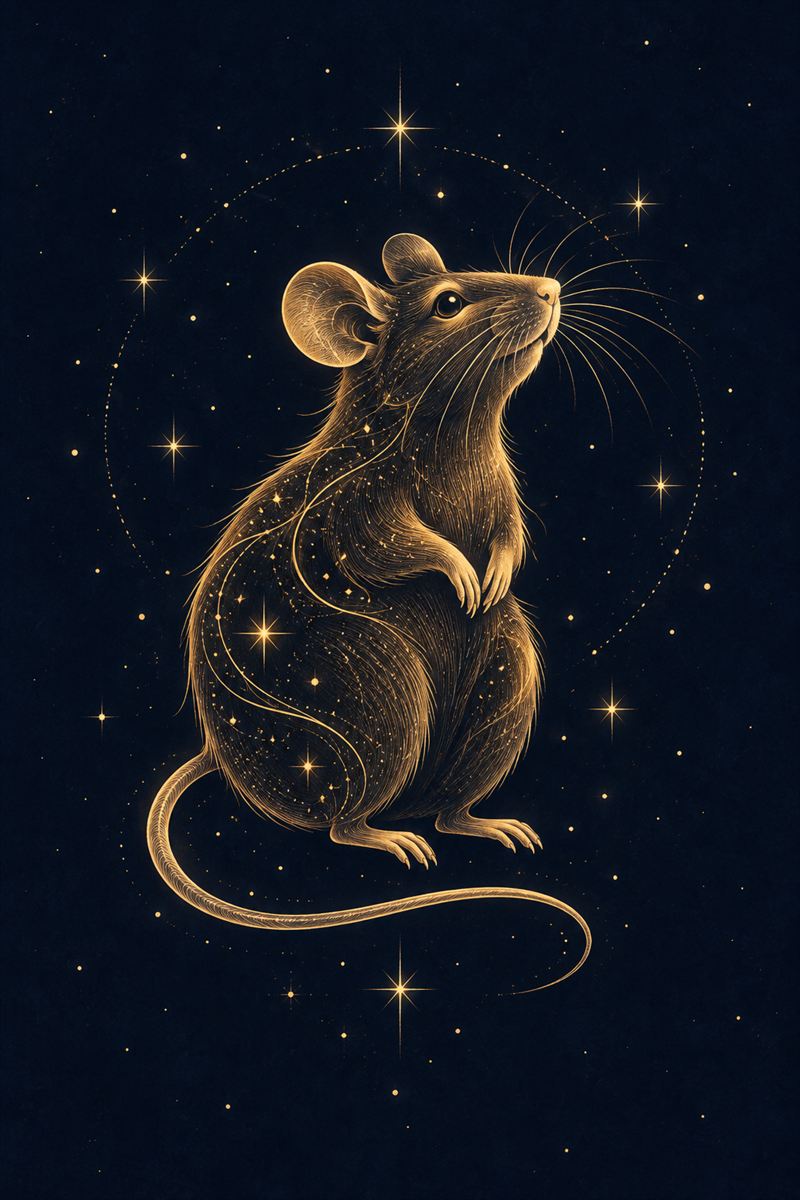
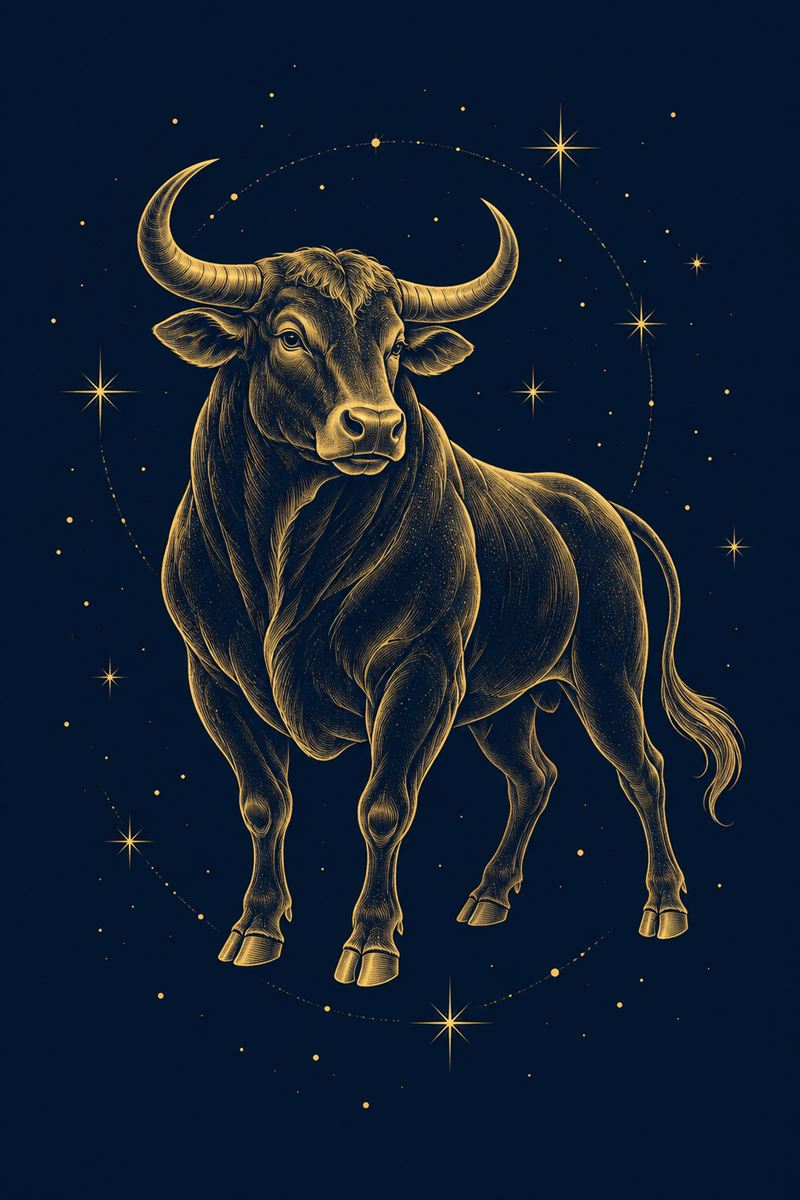
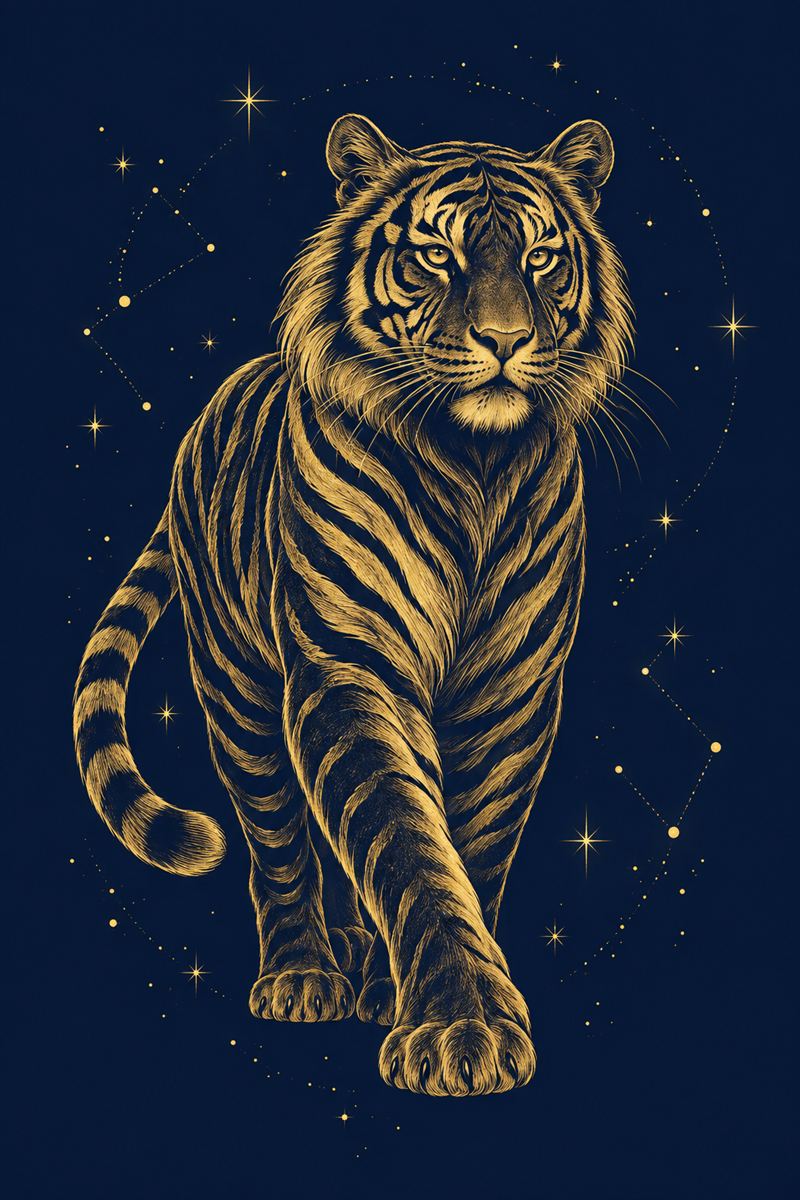
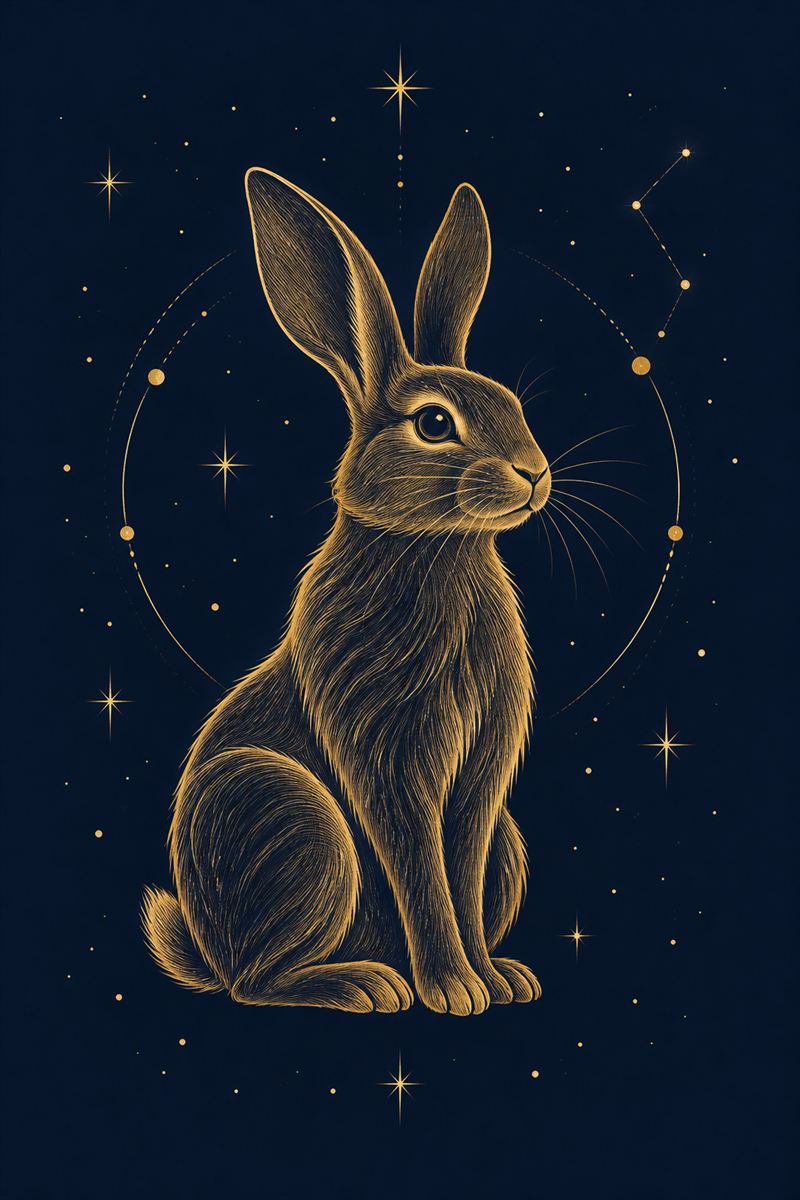
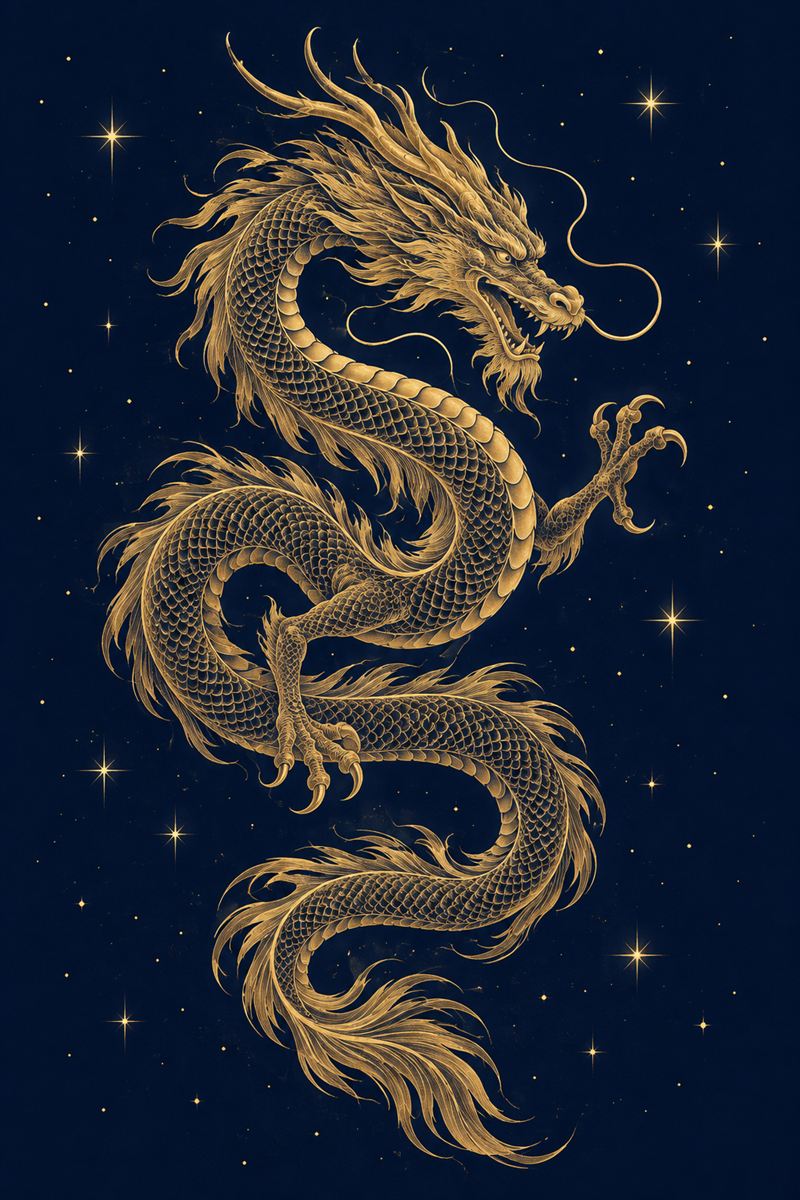
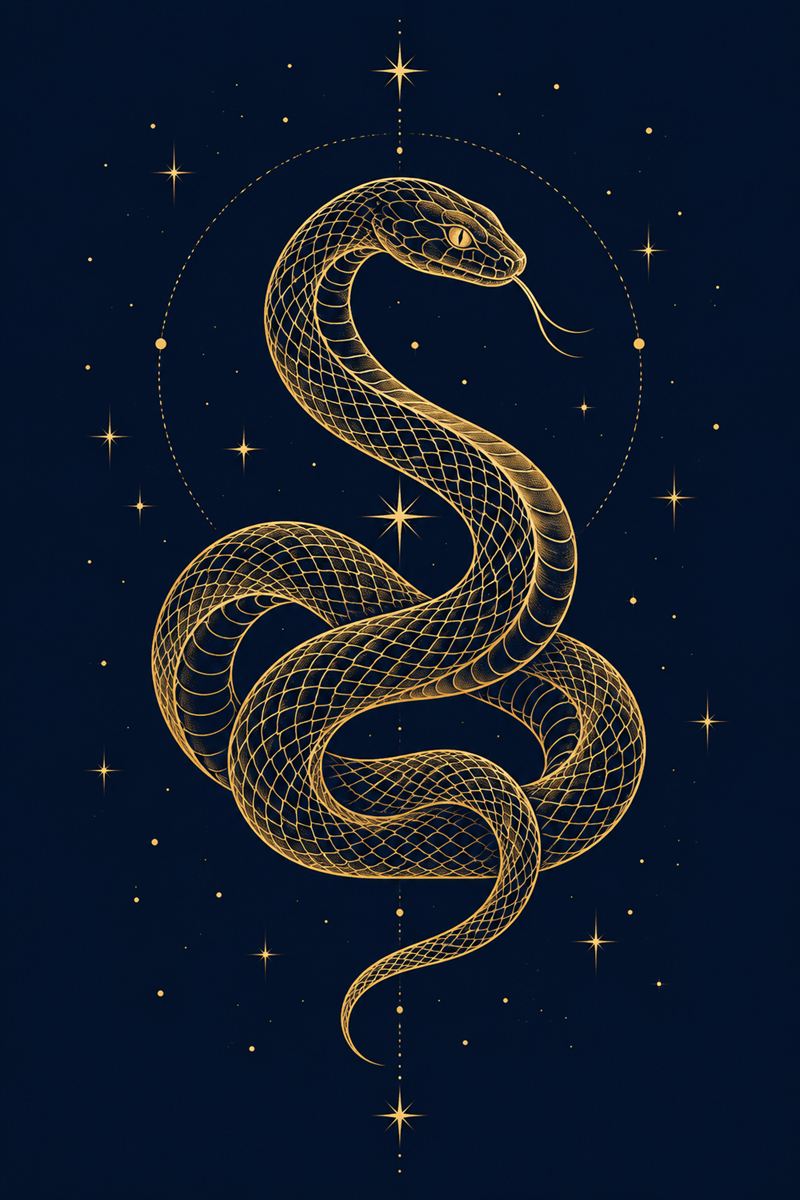
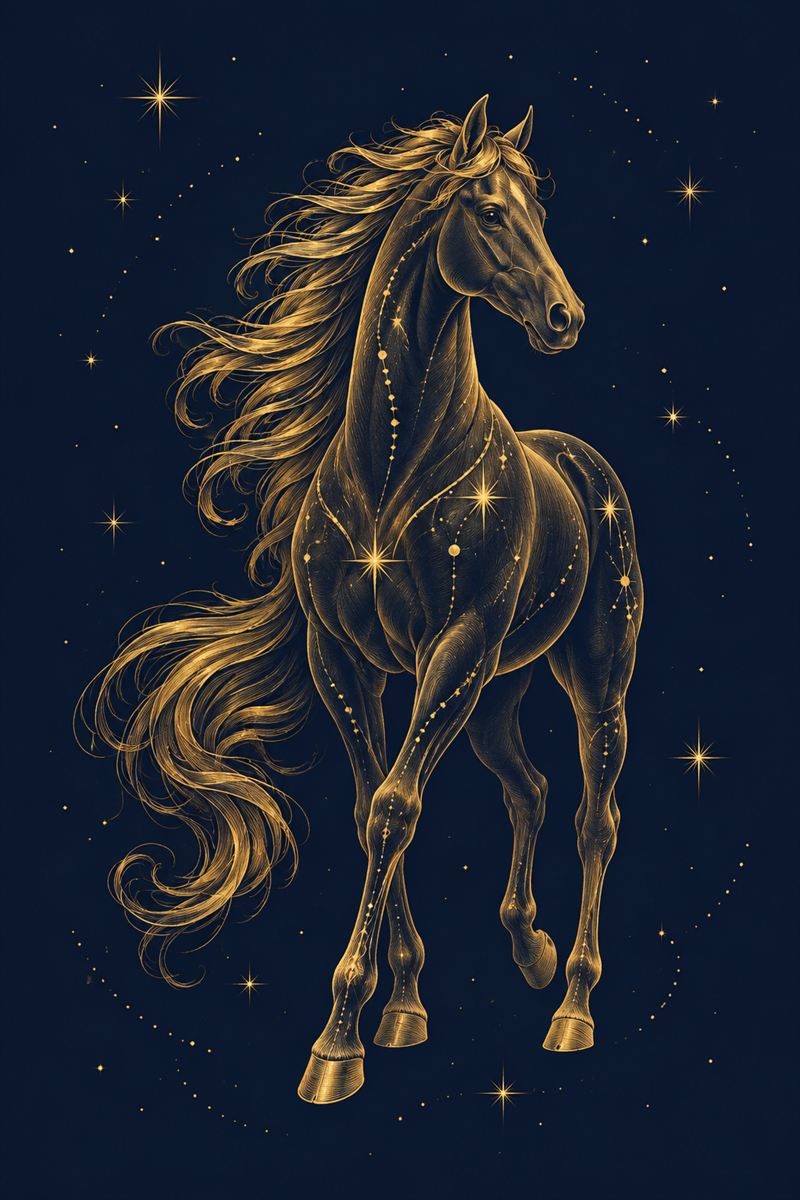
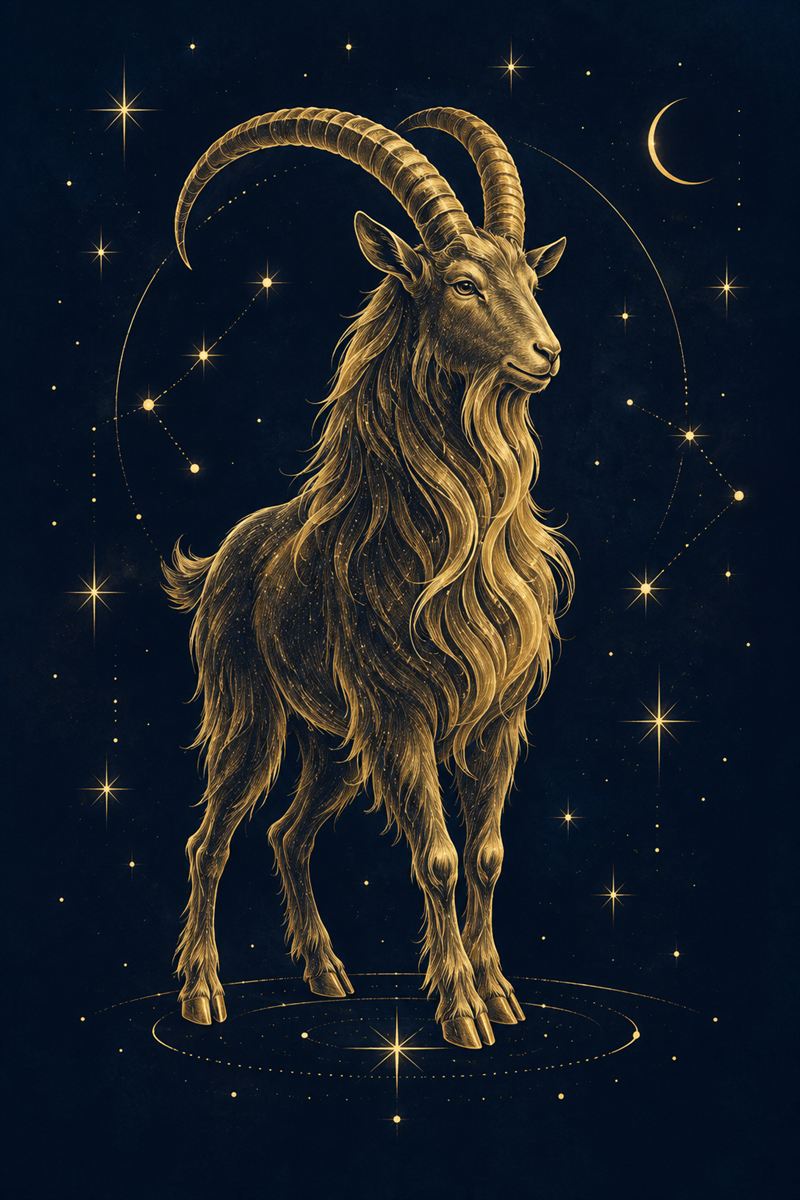
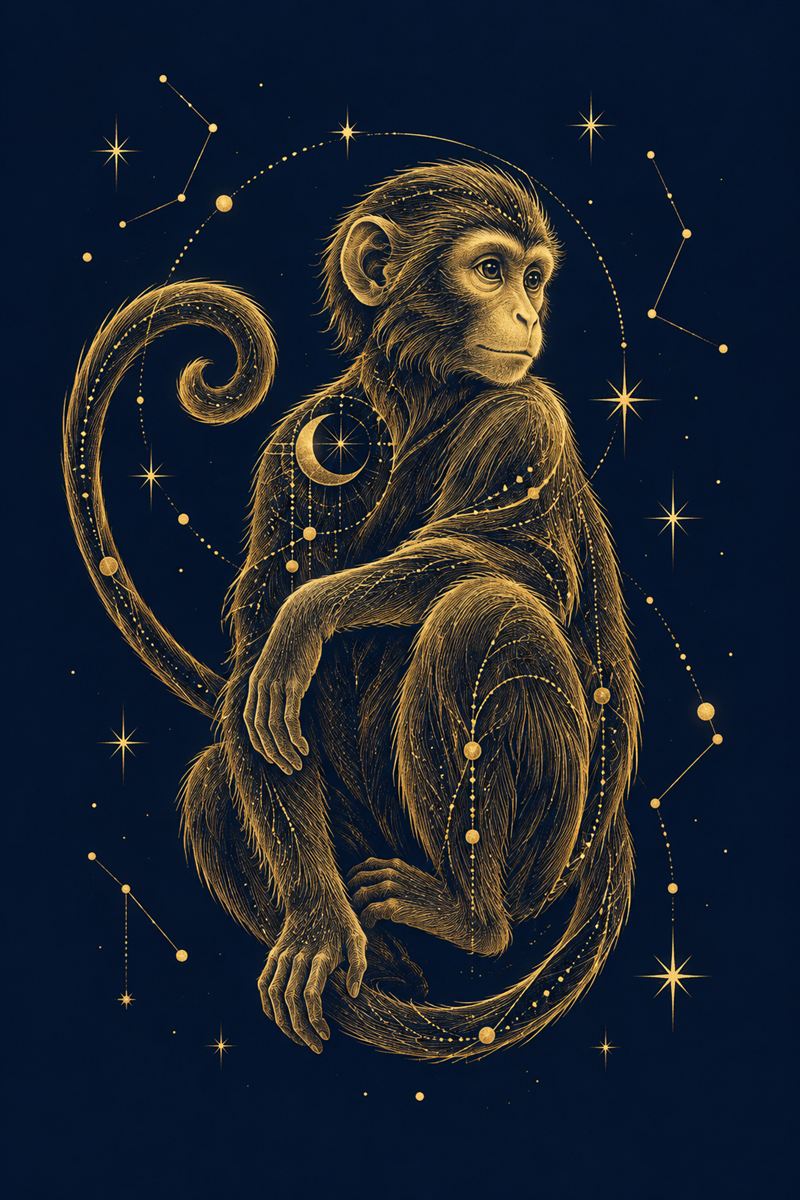
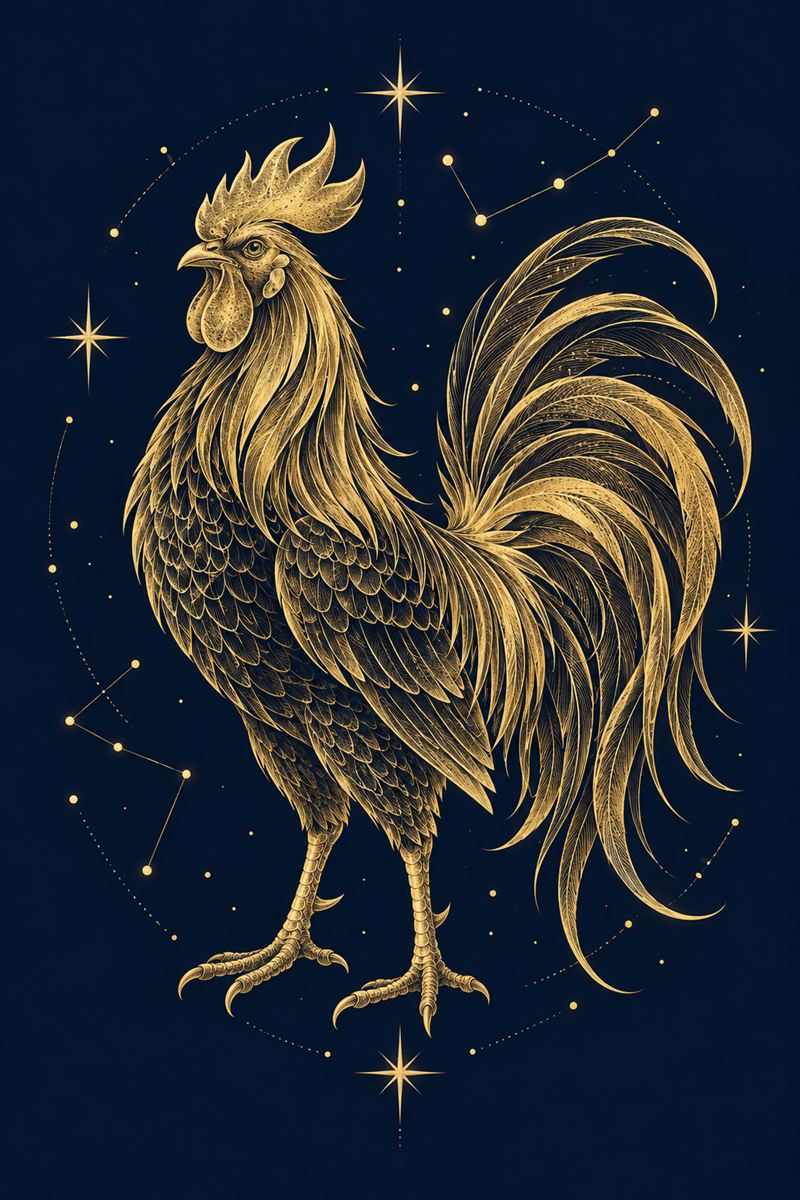
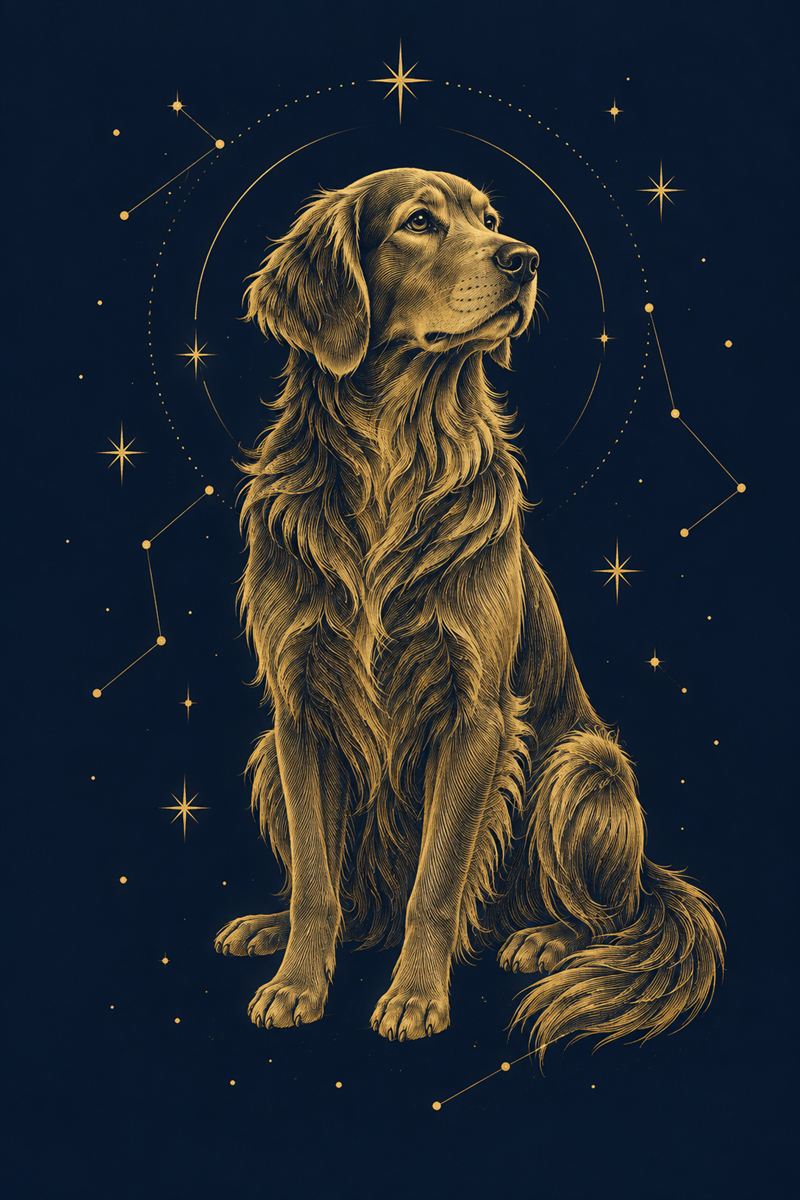
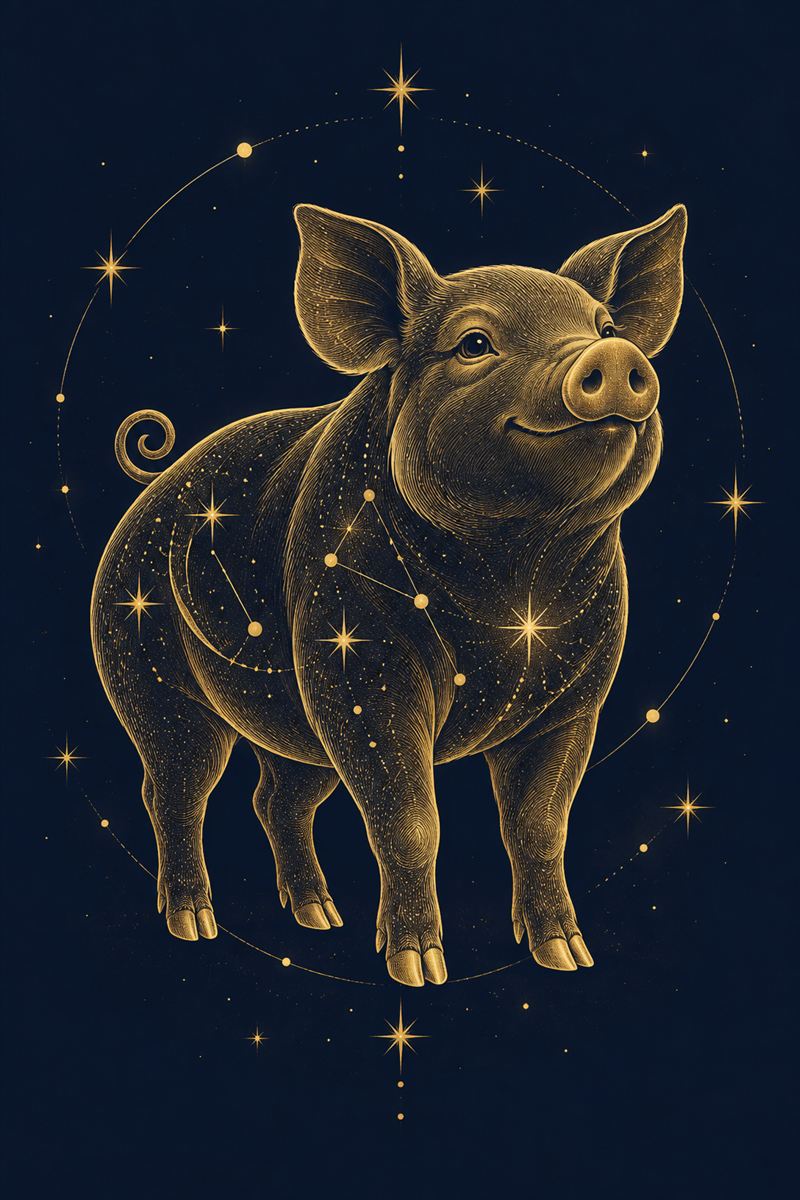
The remaining three make no claim to be historical. Gold line on midnight navy is the language of modern Western astrology illustration; watercolour and flat vector are simply the two styles that travel best on Pinterest and in print. Pick the one that suits where the image is going: paper-cut and flat vector stay legible at thumbnail size, Dunhuang and gongbi reward being shown large.
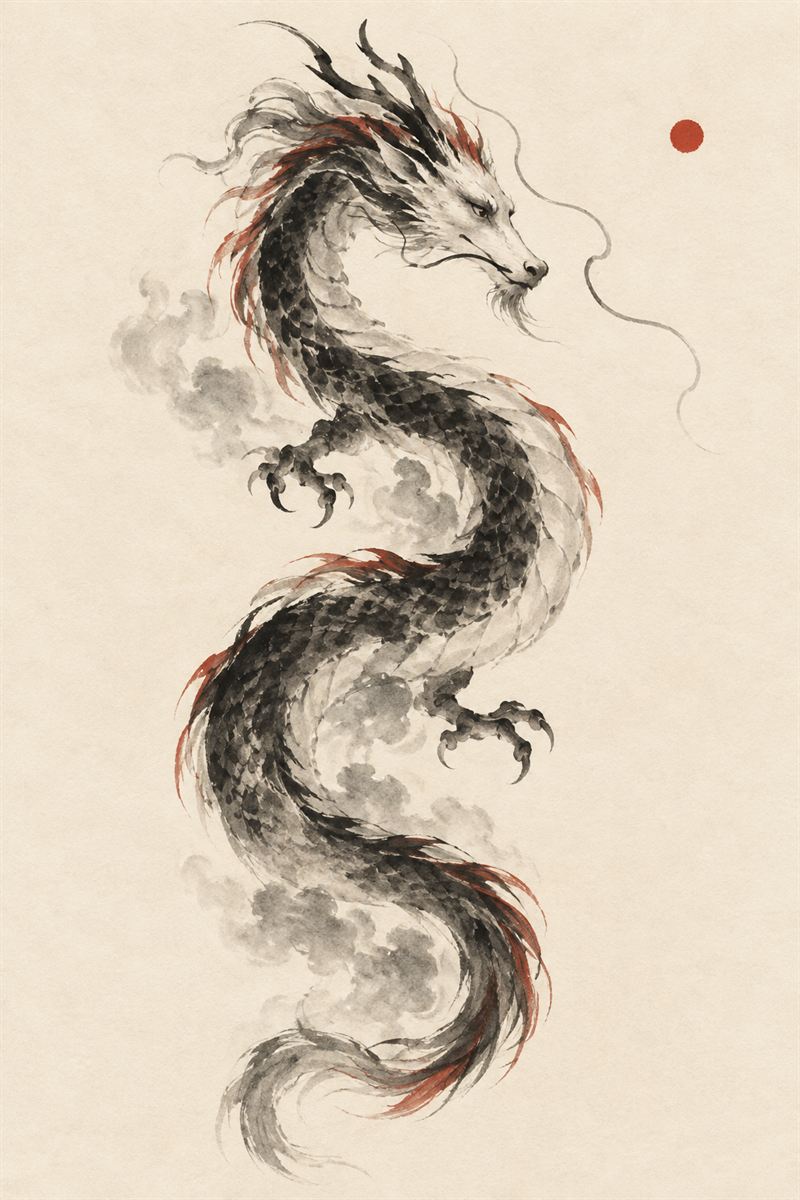
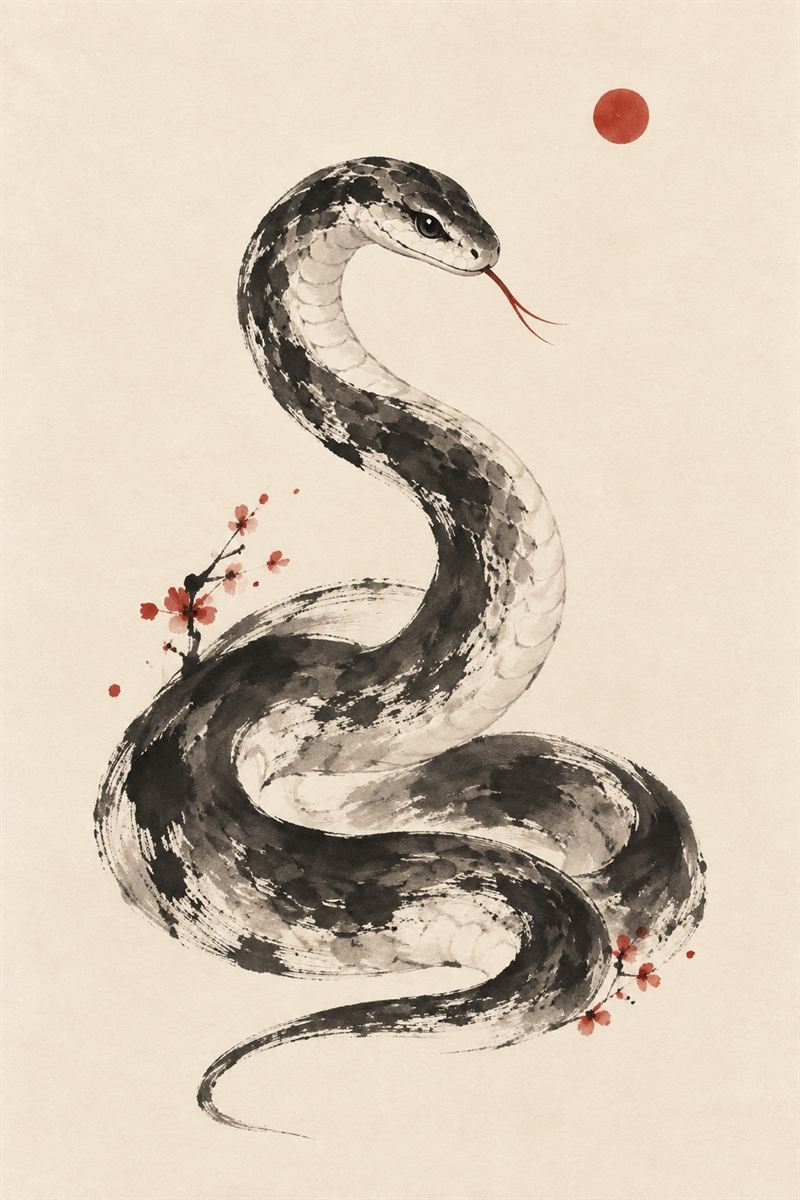
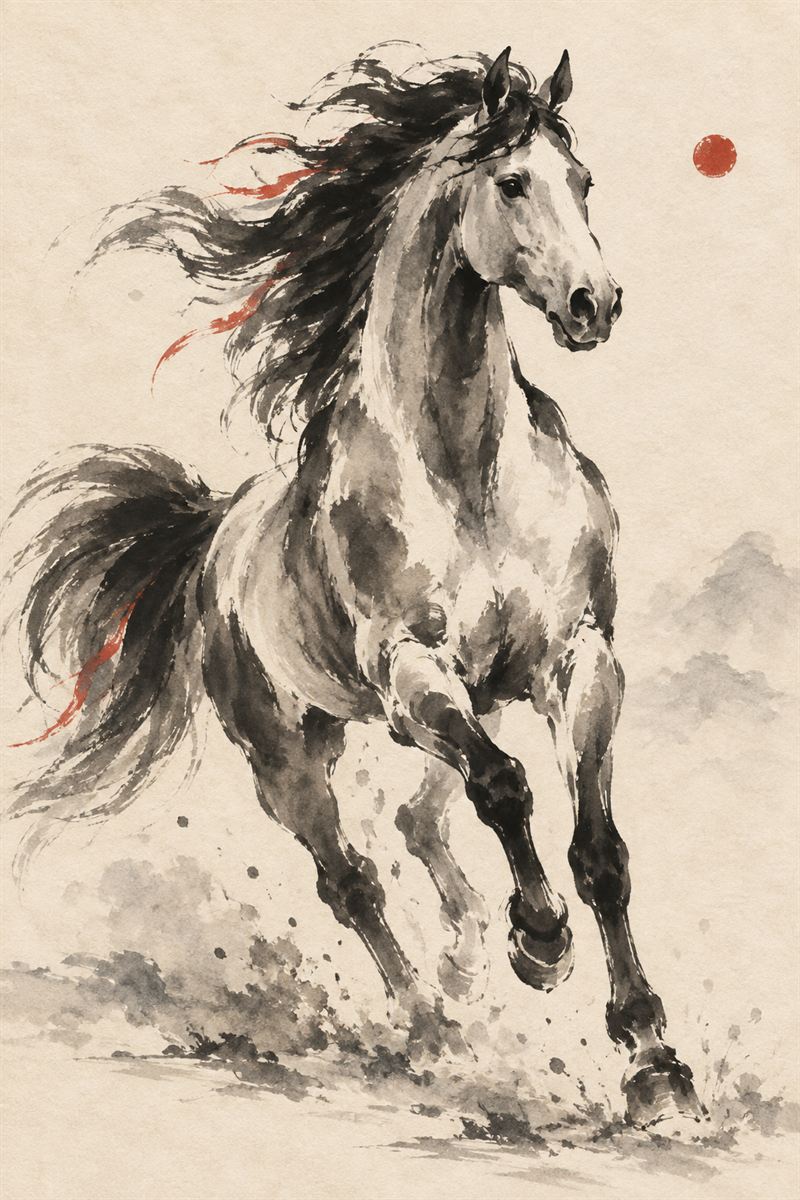
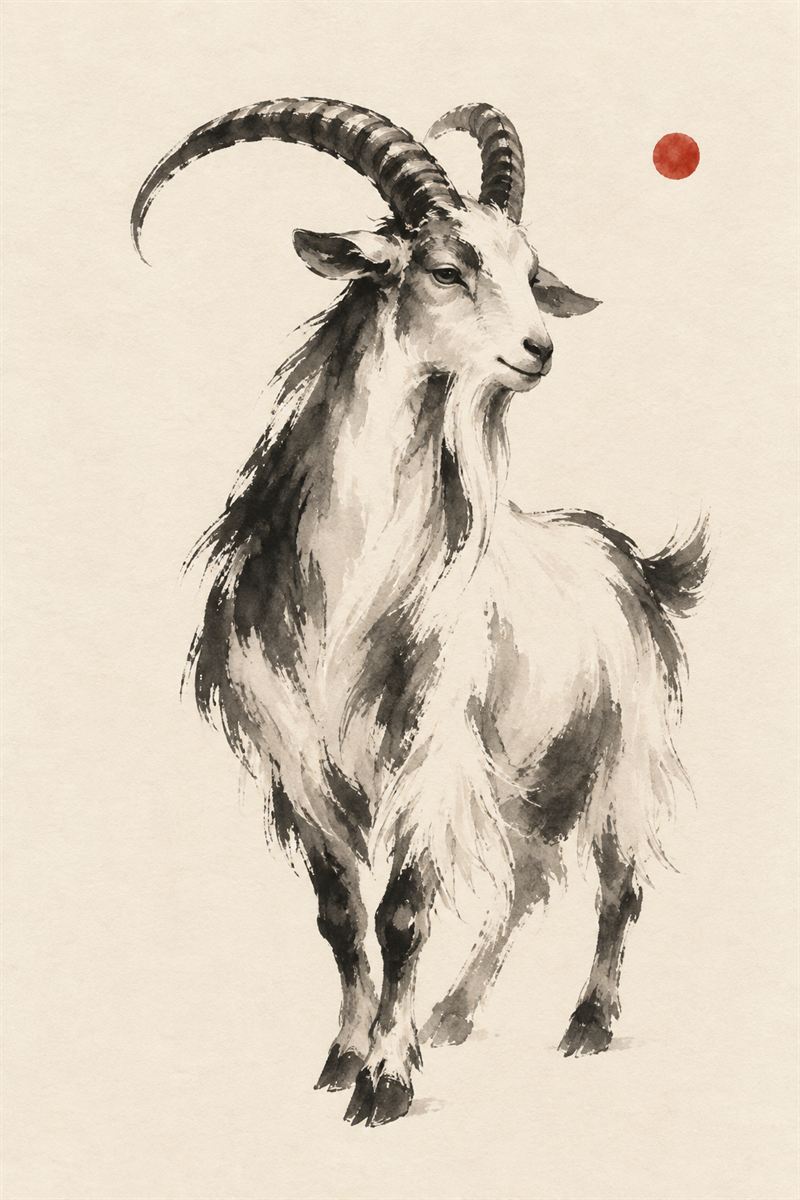
Ink Wash
Traditional Chinese method
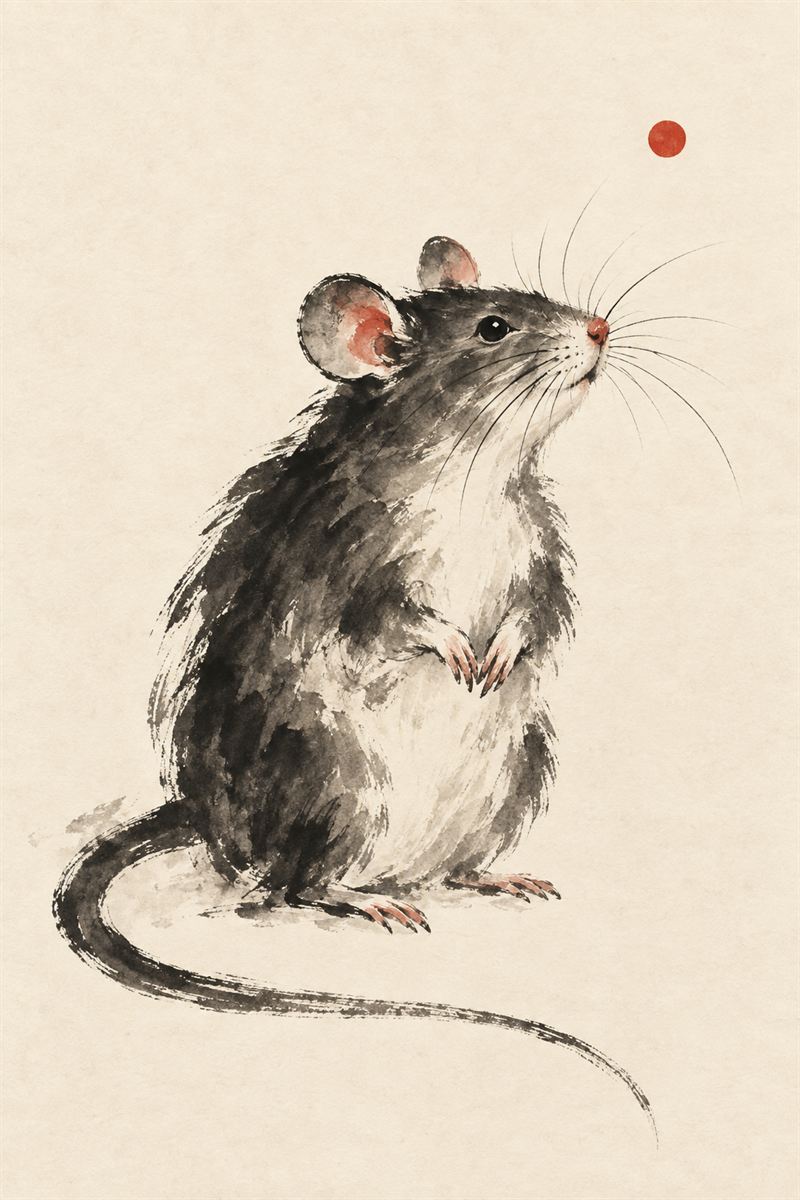
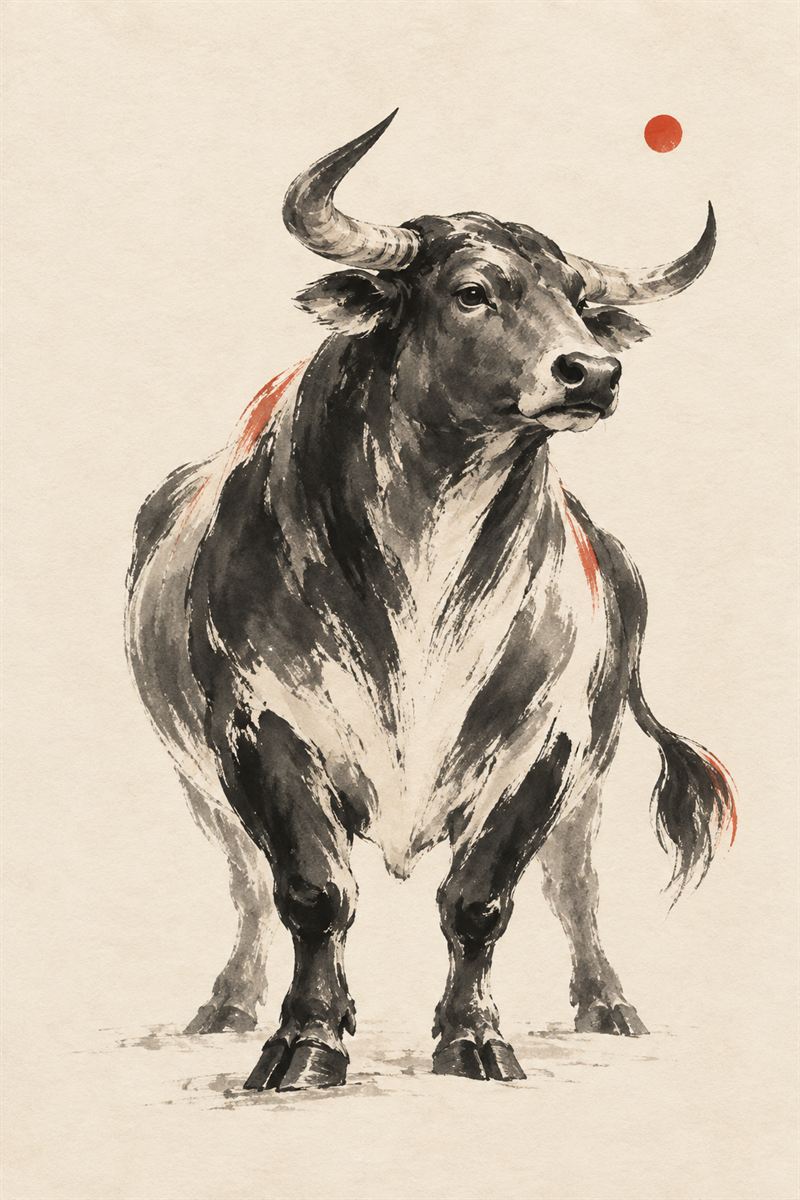
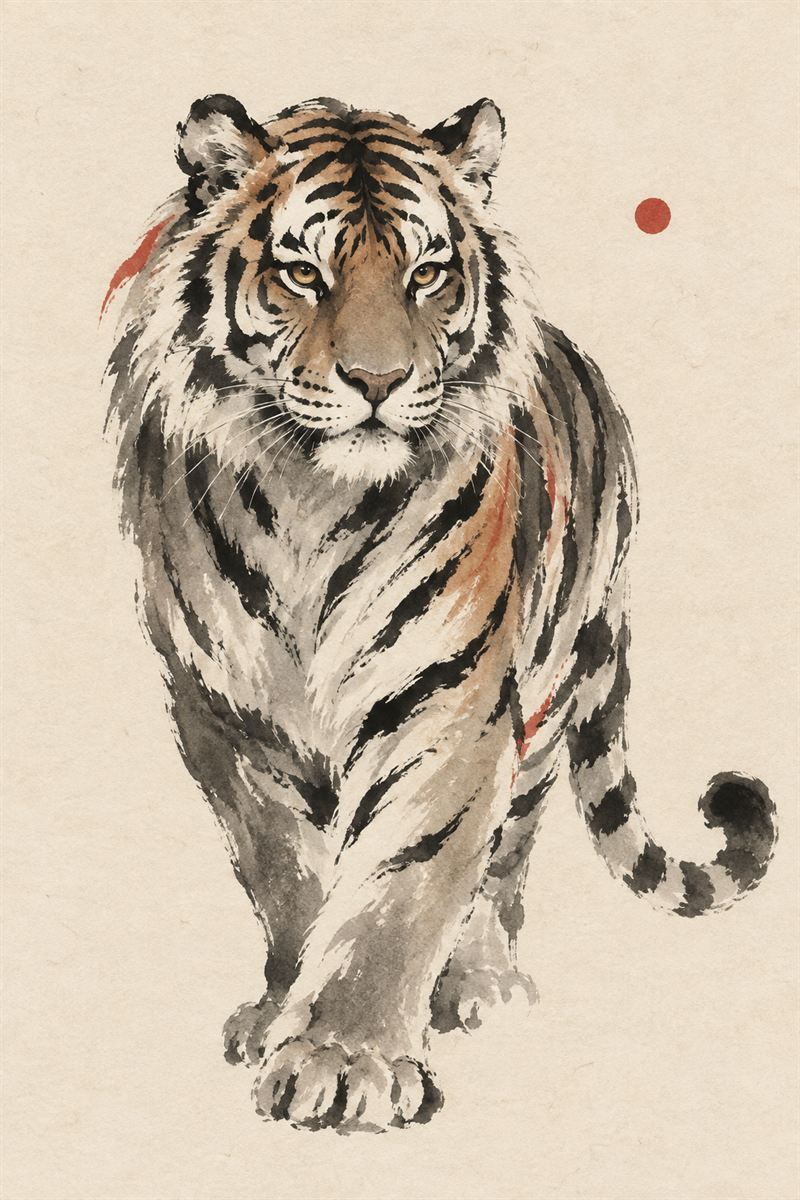
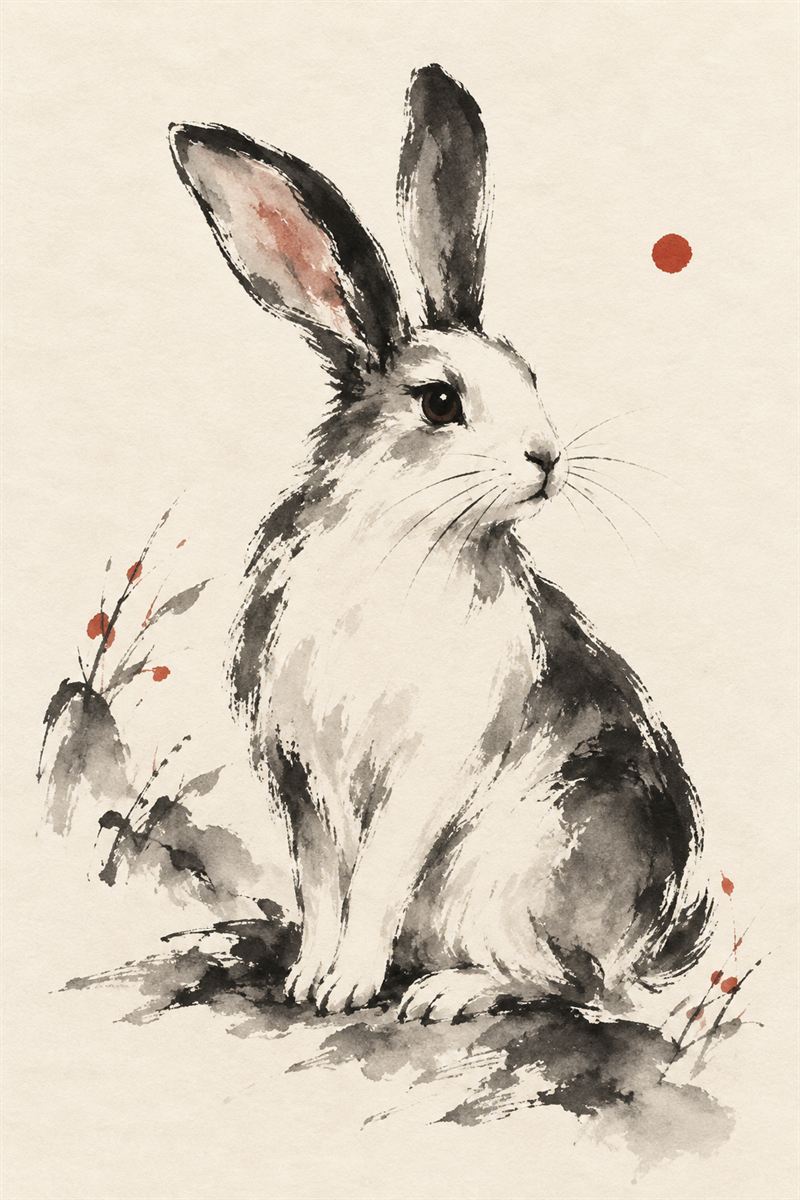
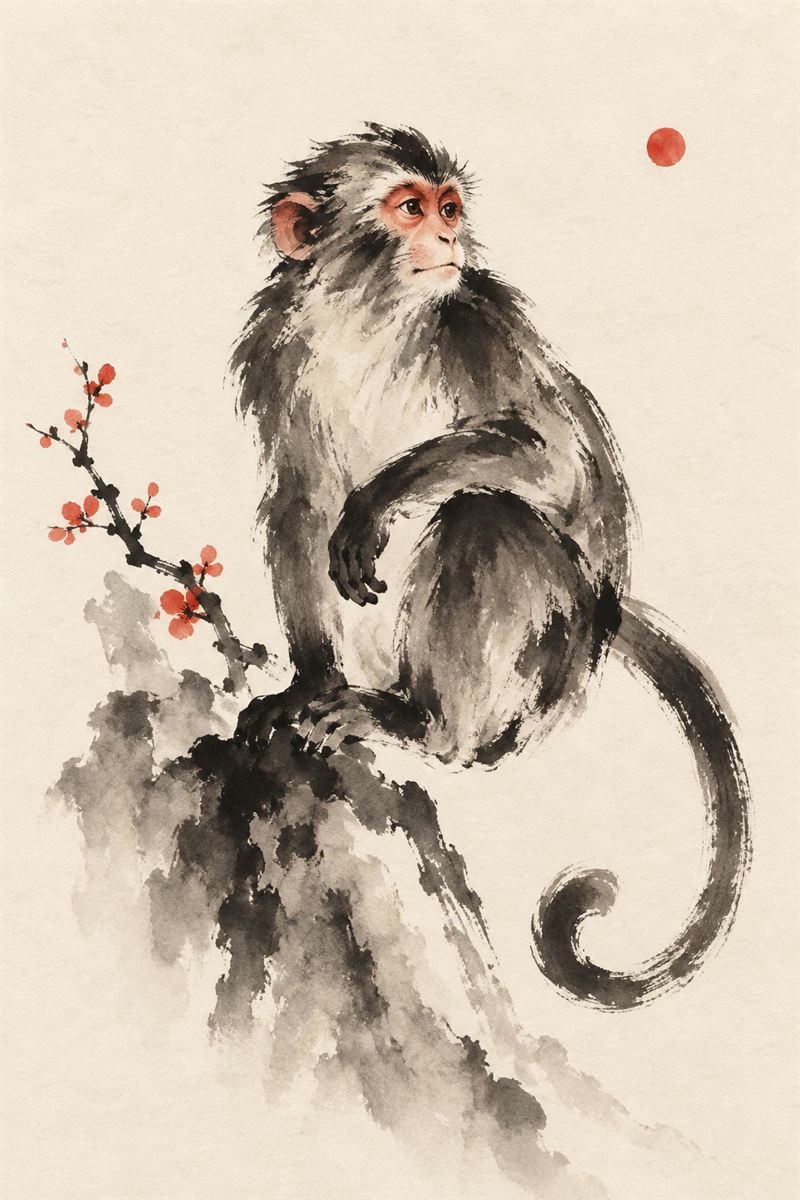
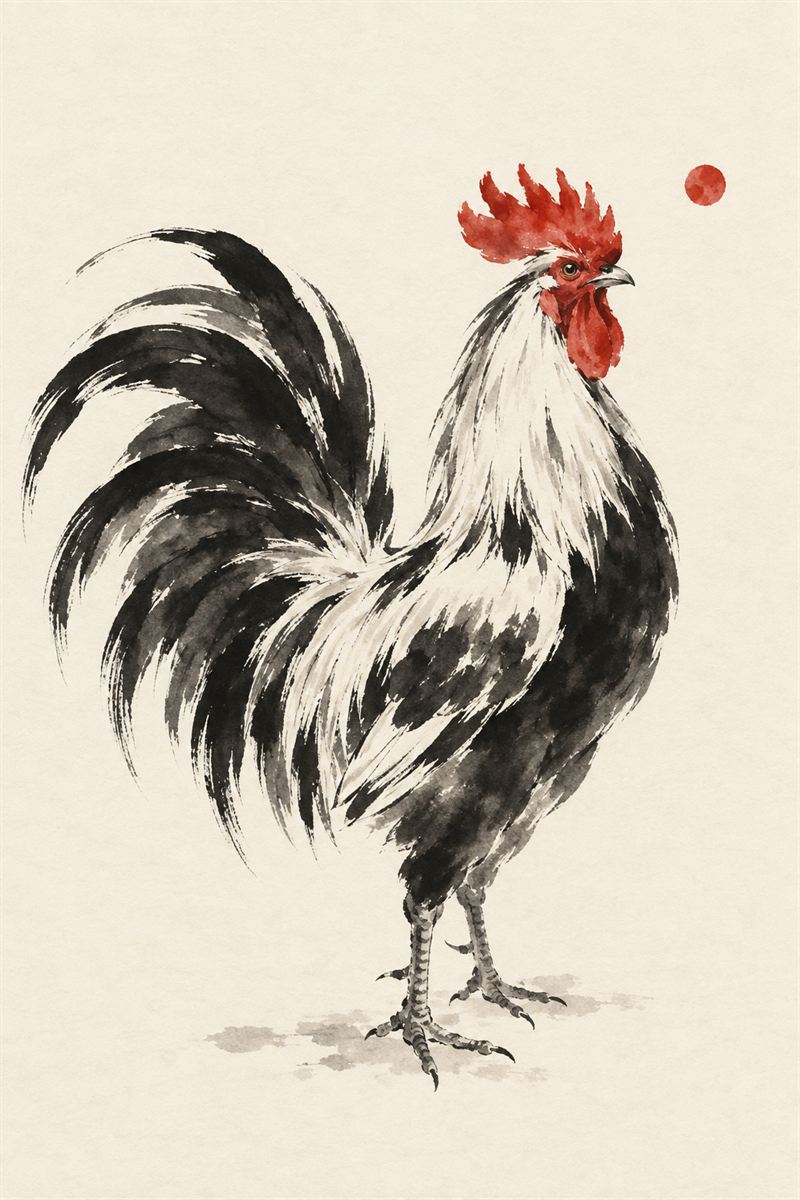
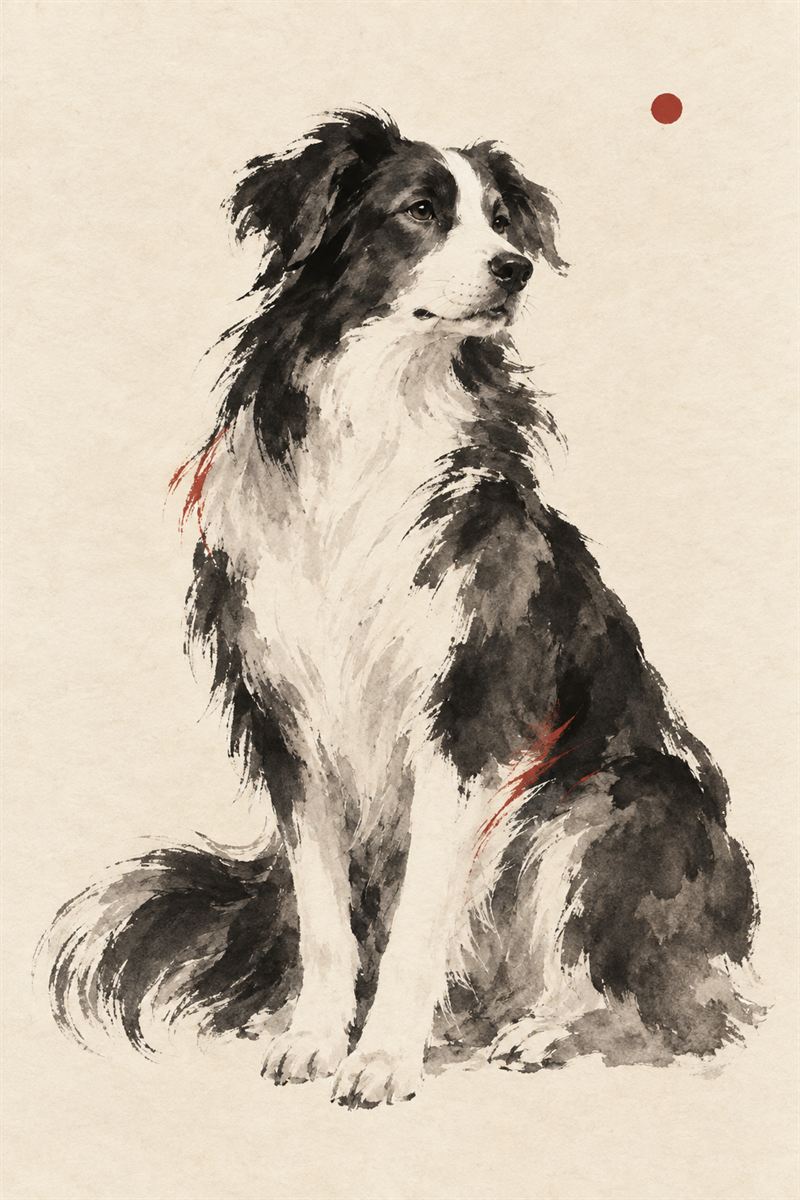
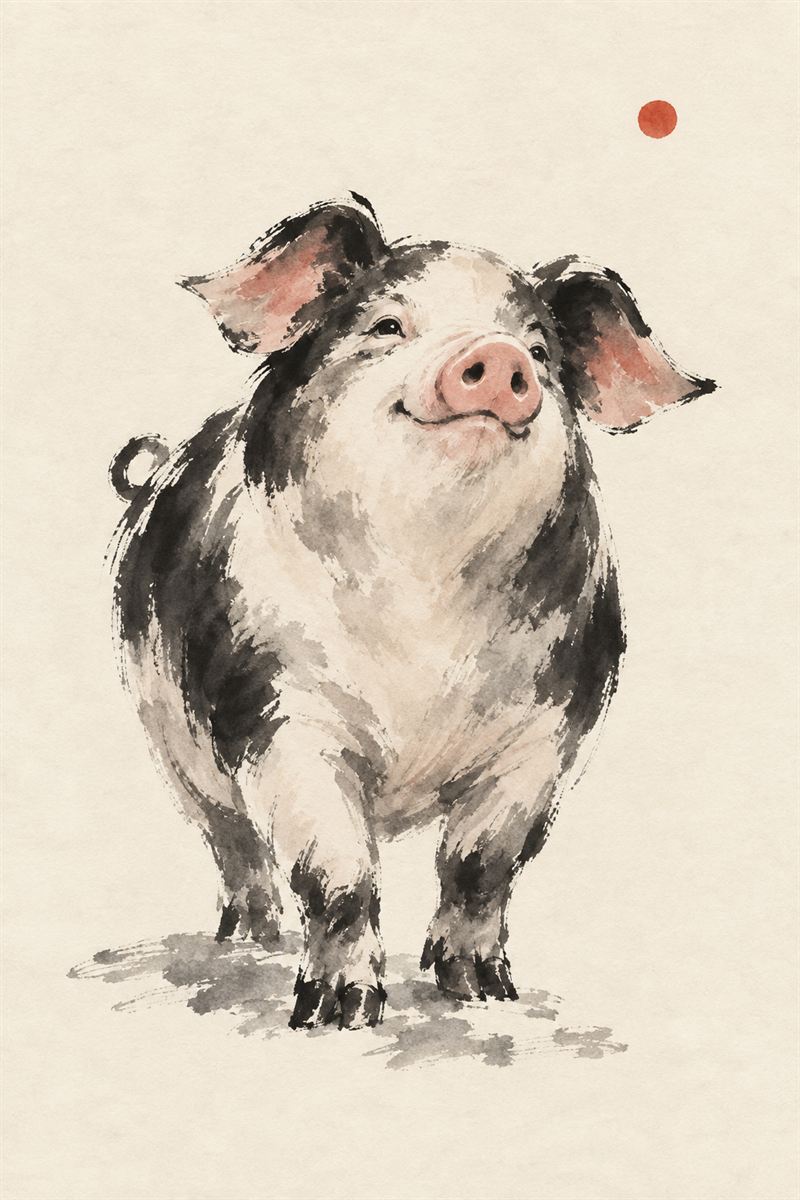
Shuimo (水墨), the monochrome brush painting that matured under the Song dynasty literati: black ink on absorbent xuan paper, a few vermilion accents and a red seal, with empty space doing as much work as the strokes.
Best for: Quiet, editorial pins and anything where the animal has to sit next to a lot of text.
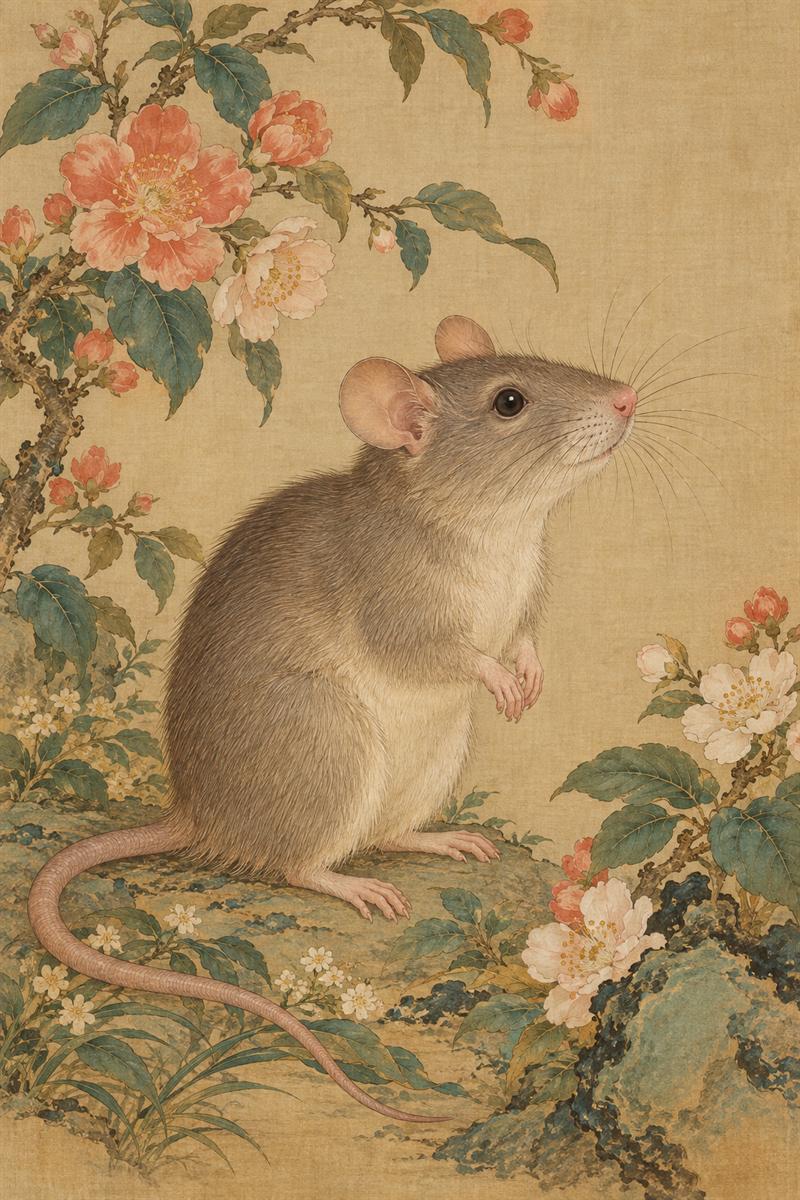
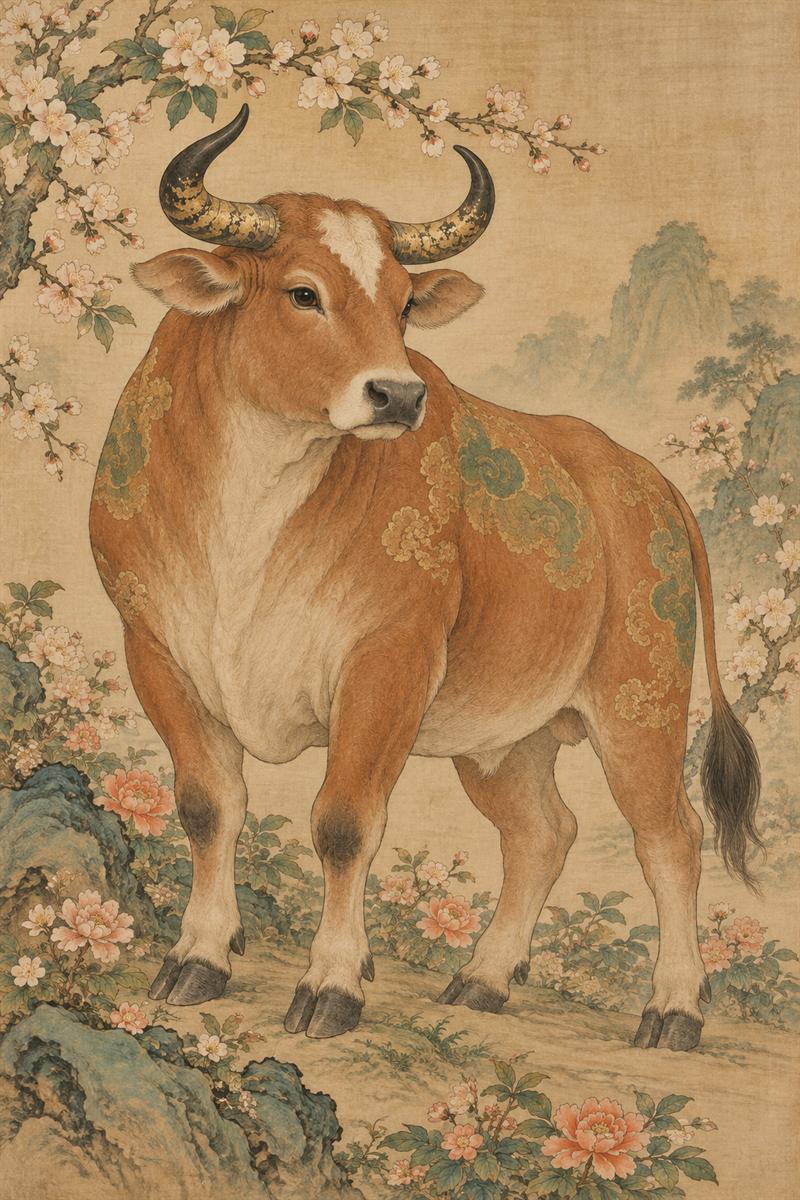
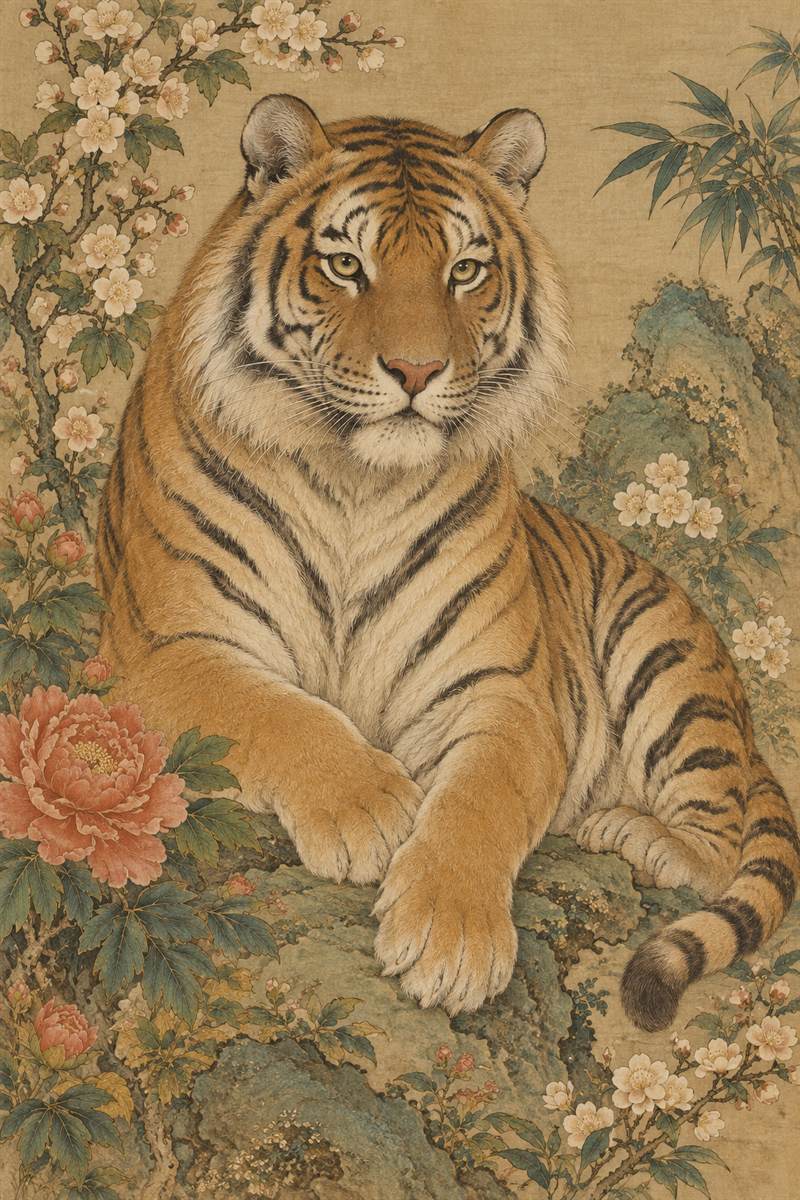
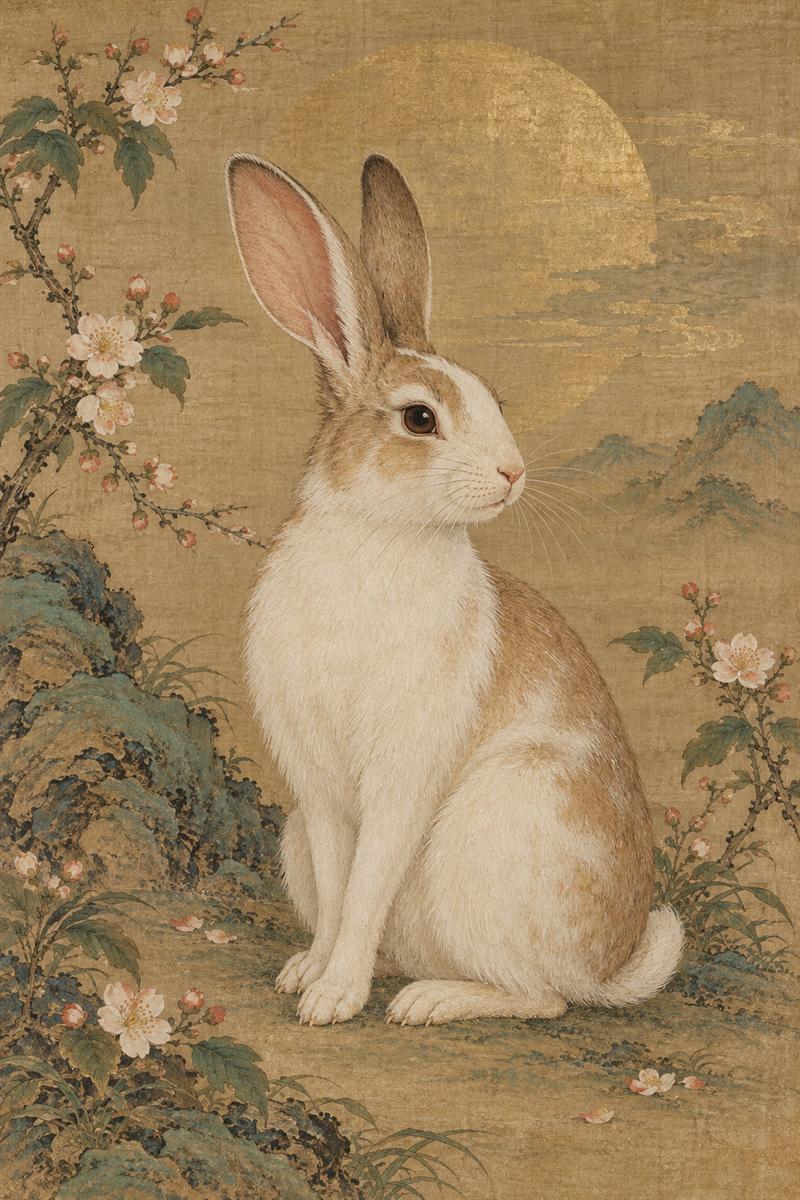
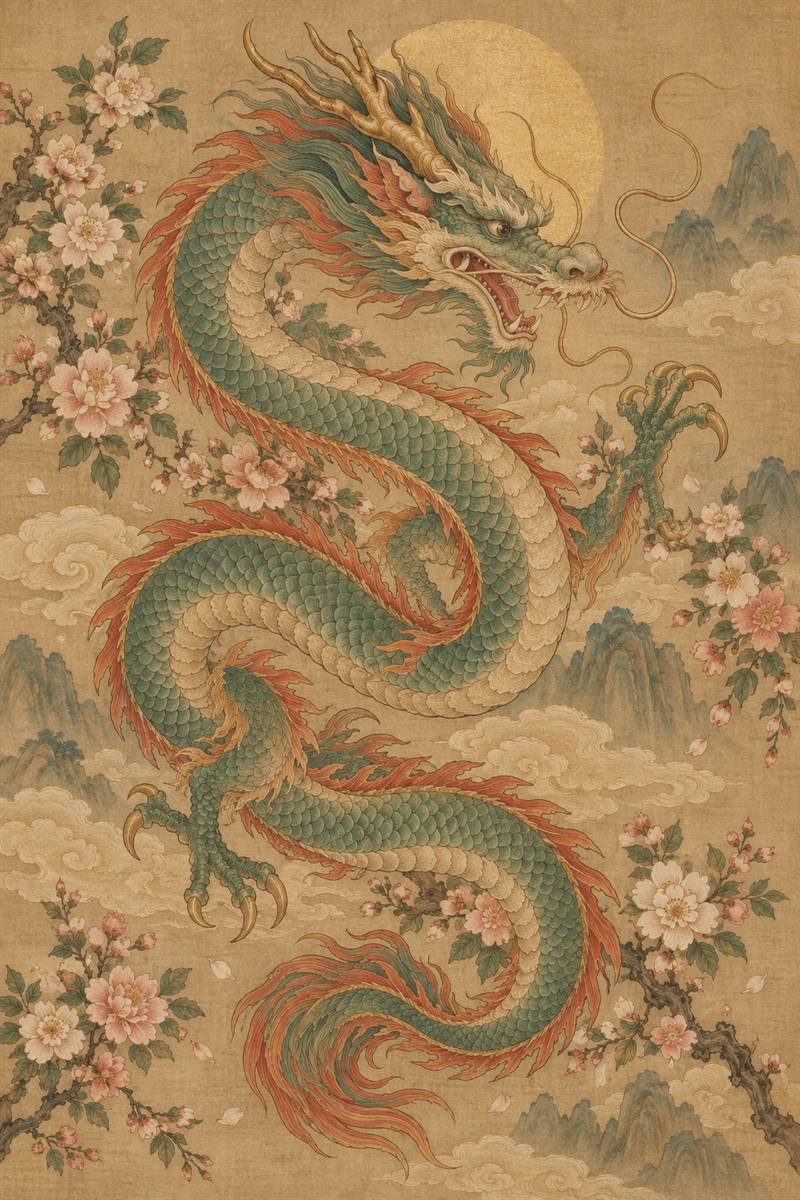
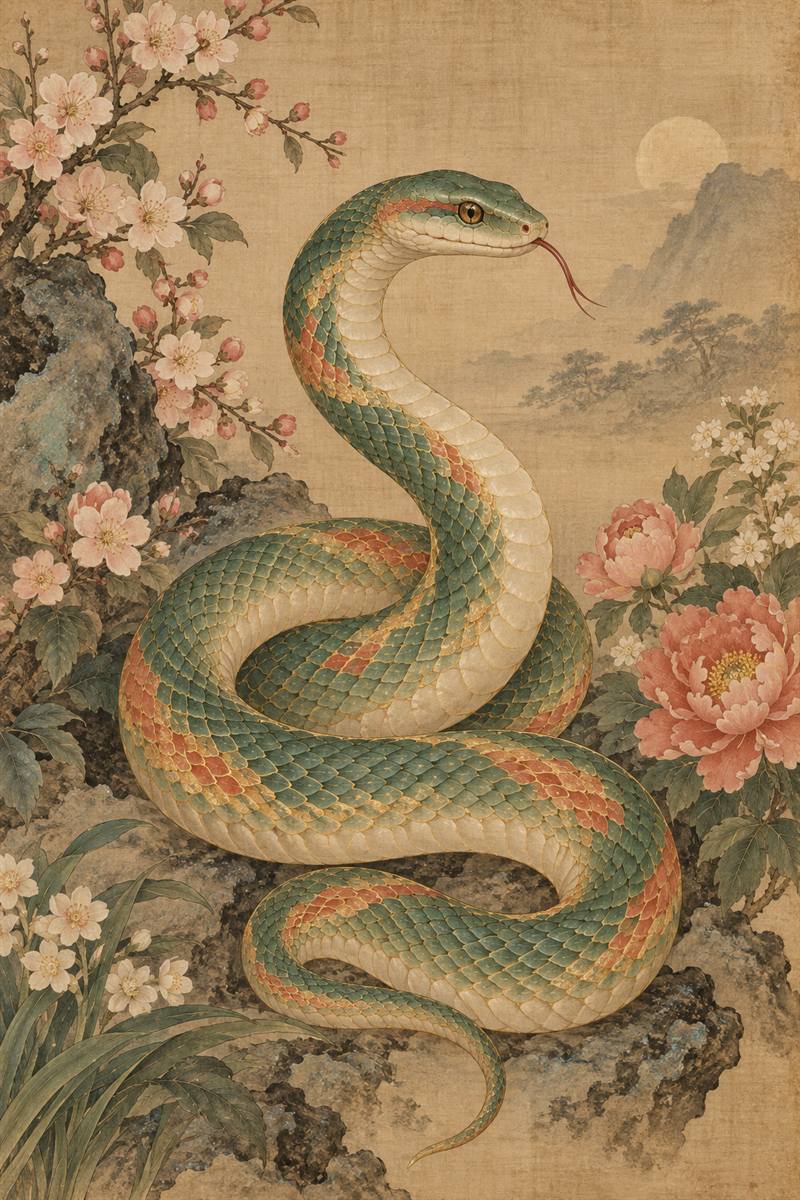
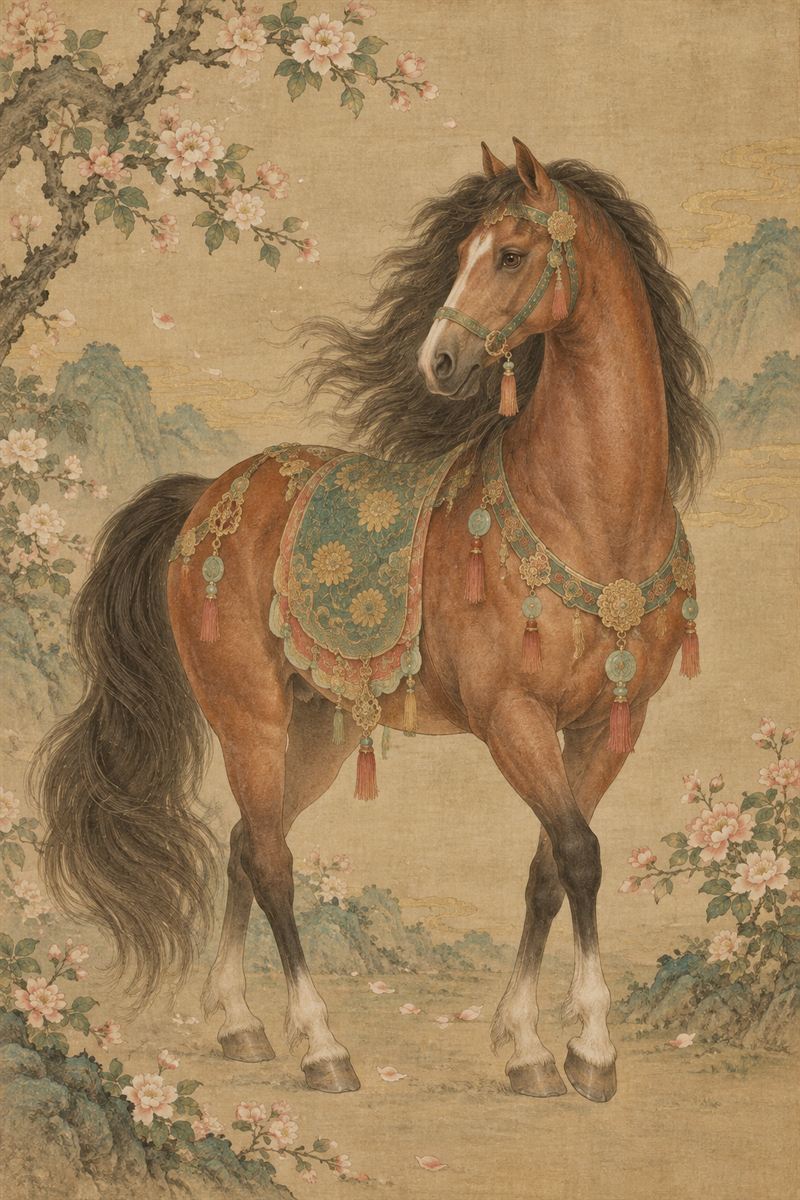
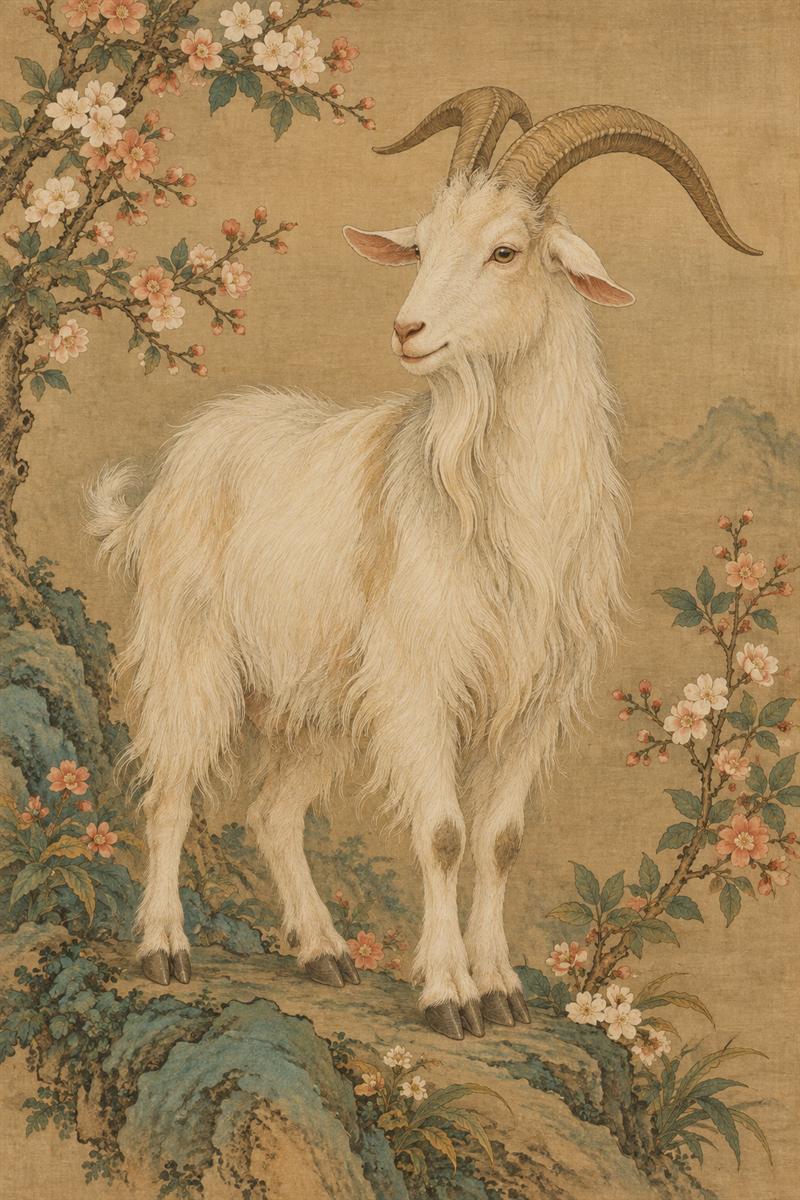
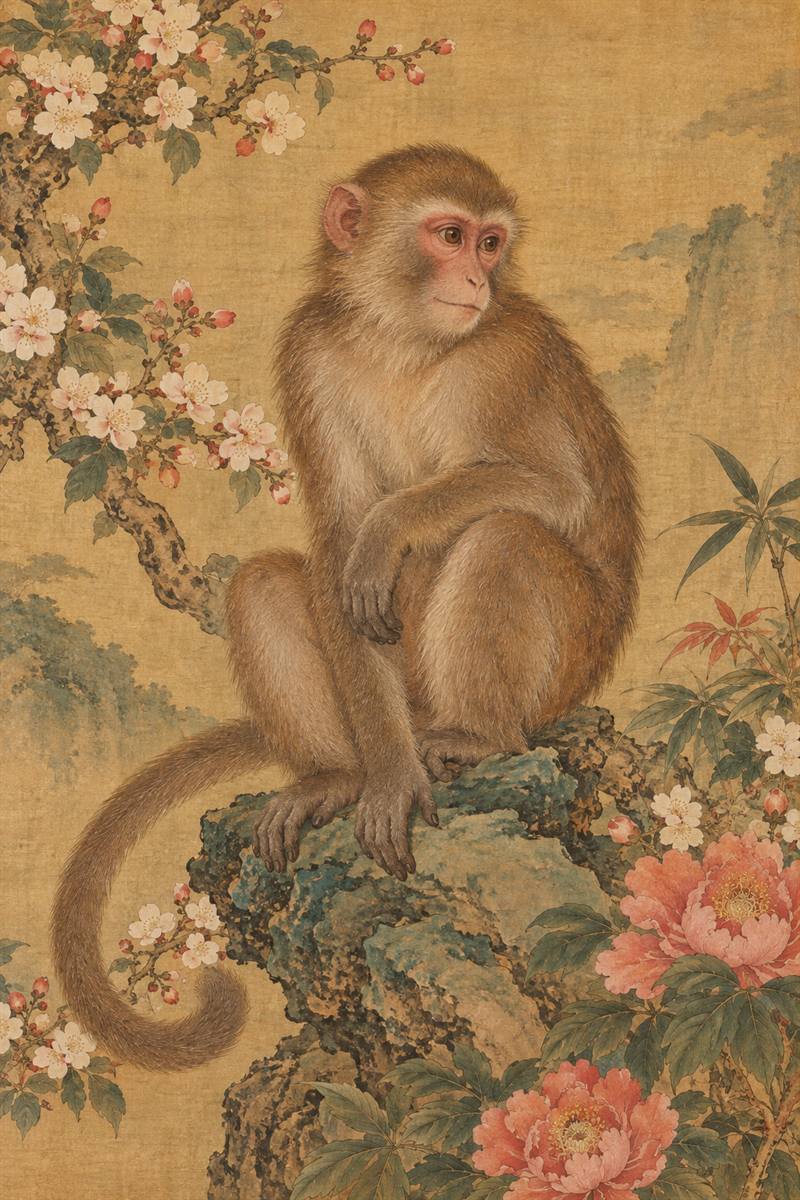
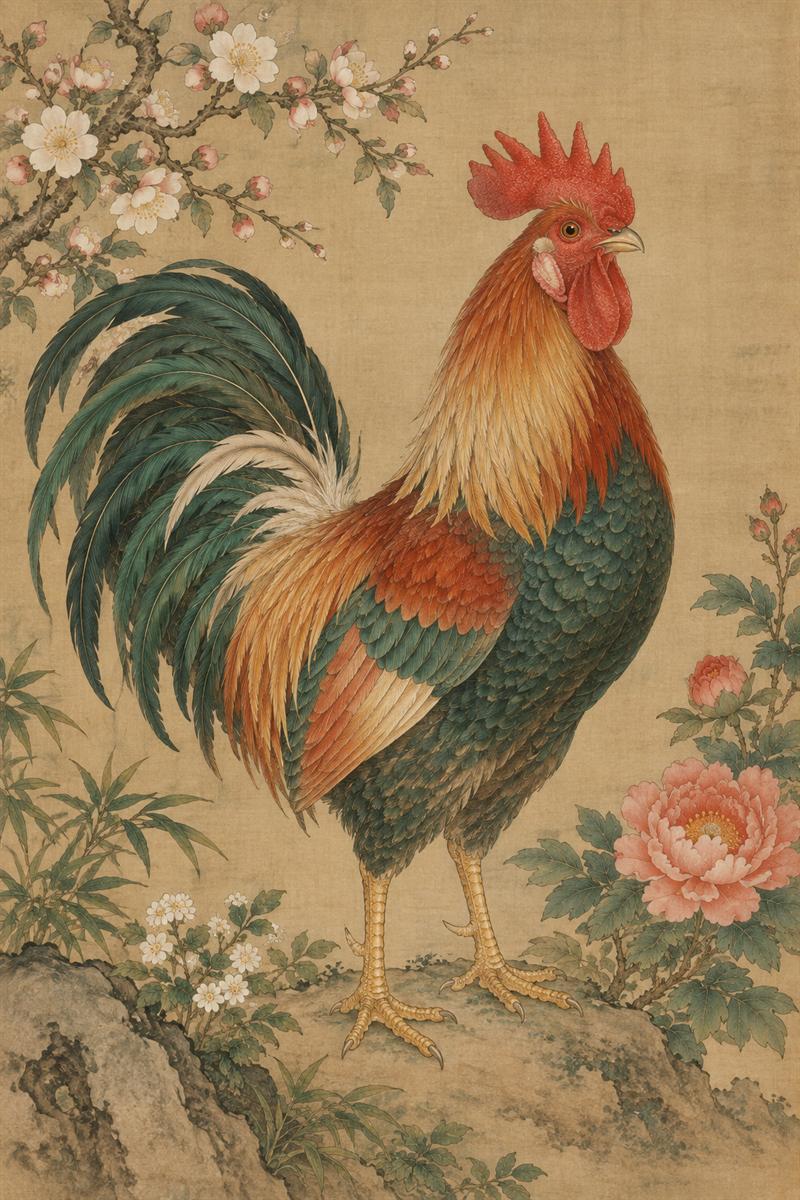
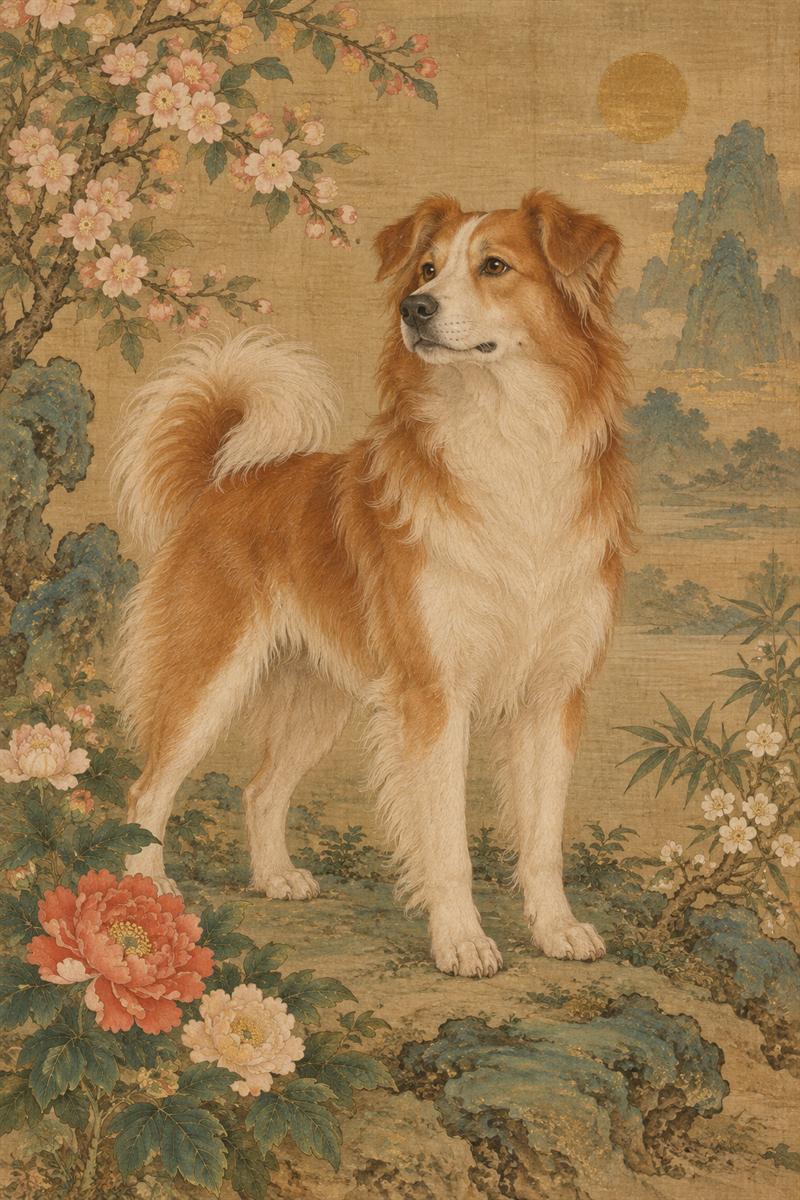
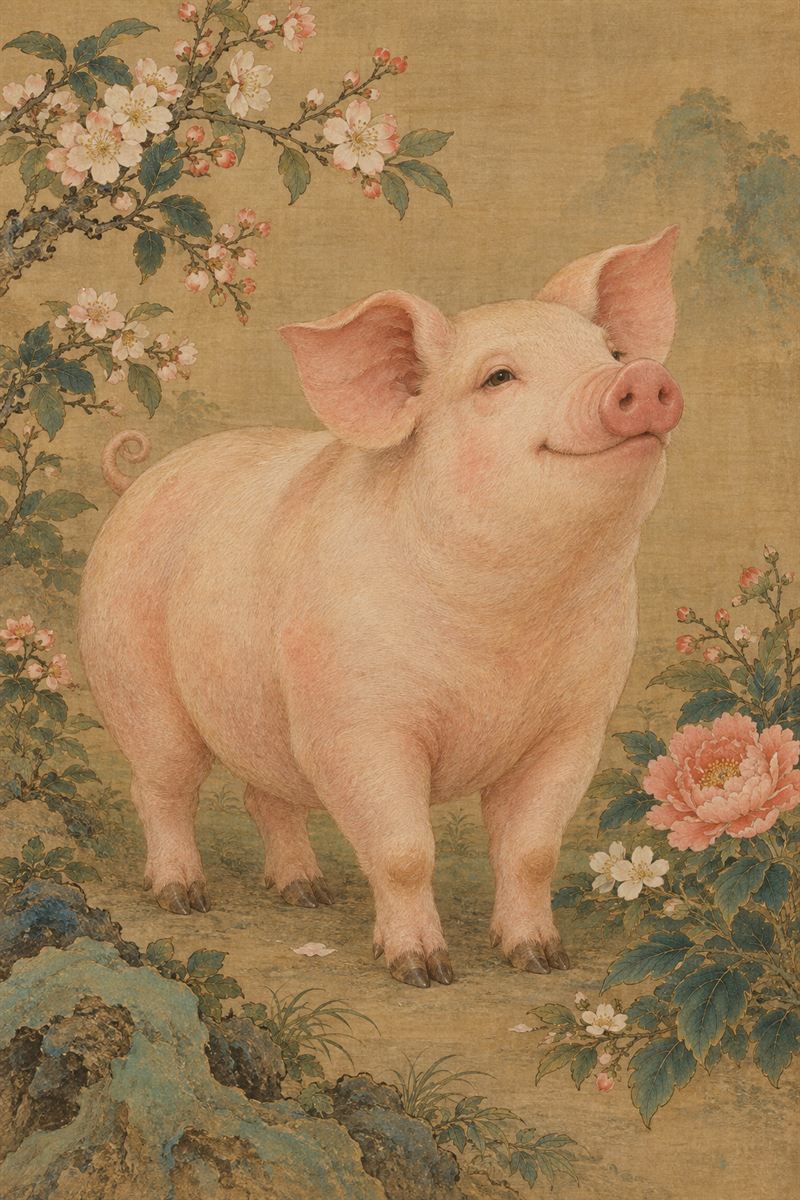
Gongbi Fine Line
Traditional Chinese method
Gongbi (工笔), the "meticulous brush" court style: every outline drawn first, then layered mineral pigment — jade green, coral, ochre, gold — filled in behind it. The opposite discipline to ink wash, and the one the imperial painting academies taught.
Best for: Feather, scale and fur detail; the Rooster and the Dragon carry the most of it.
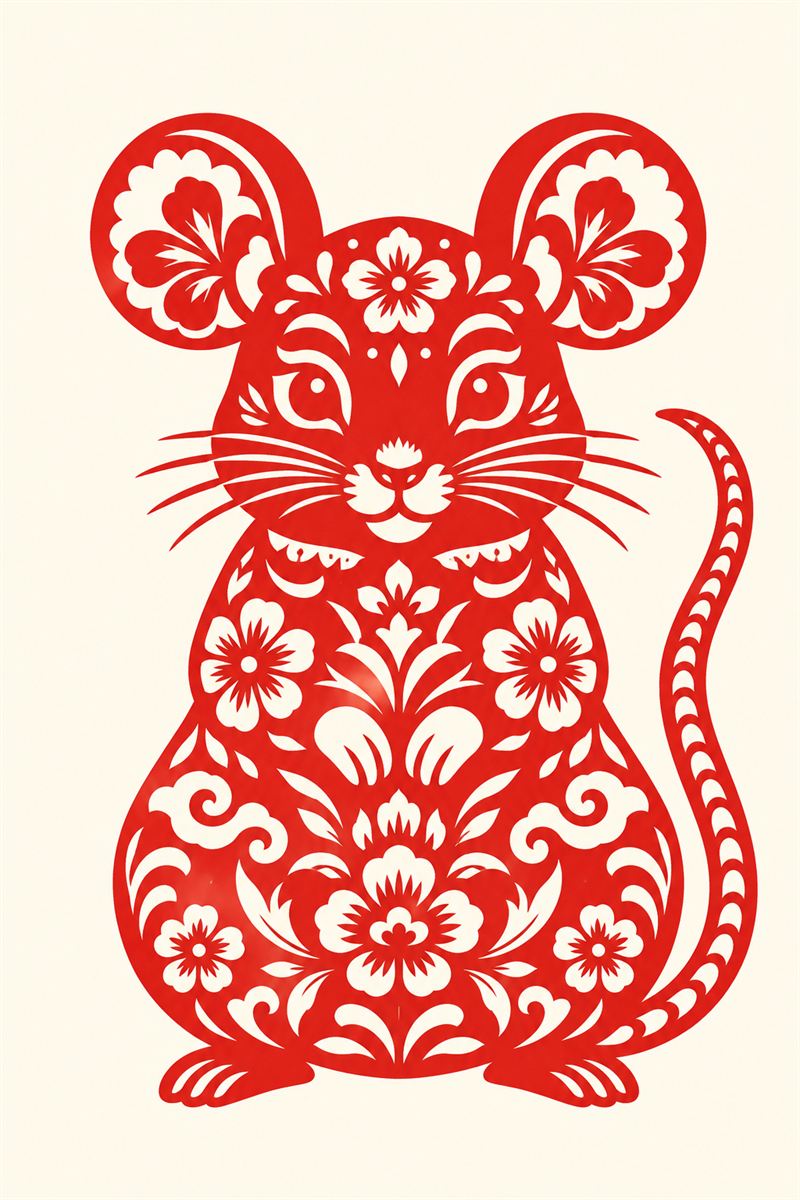
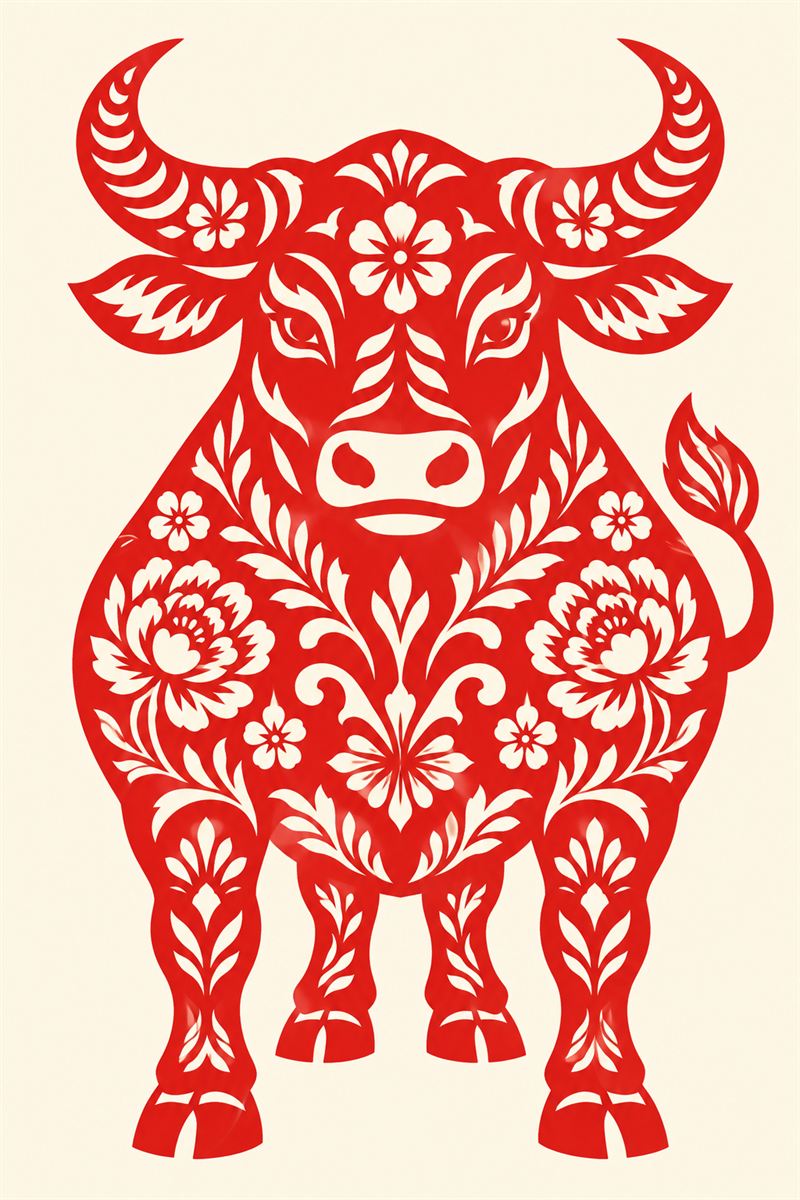
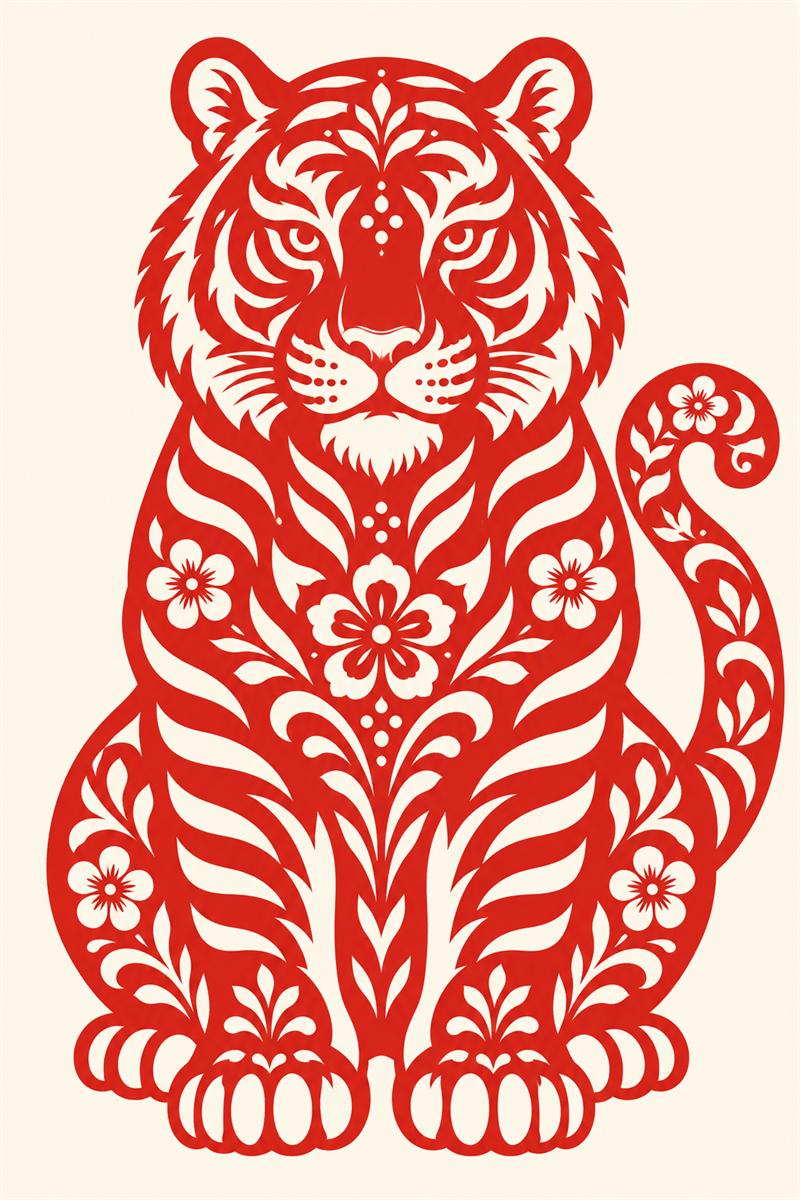
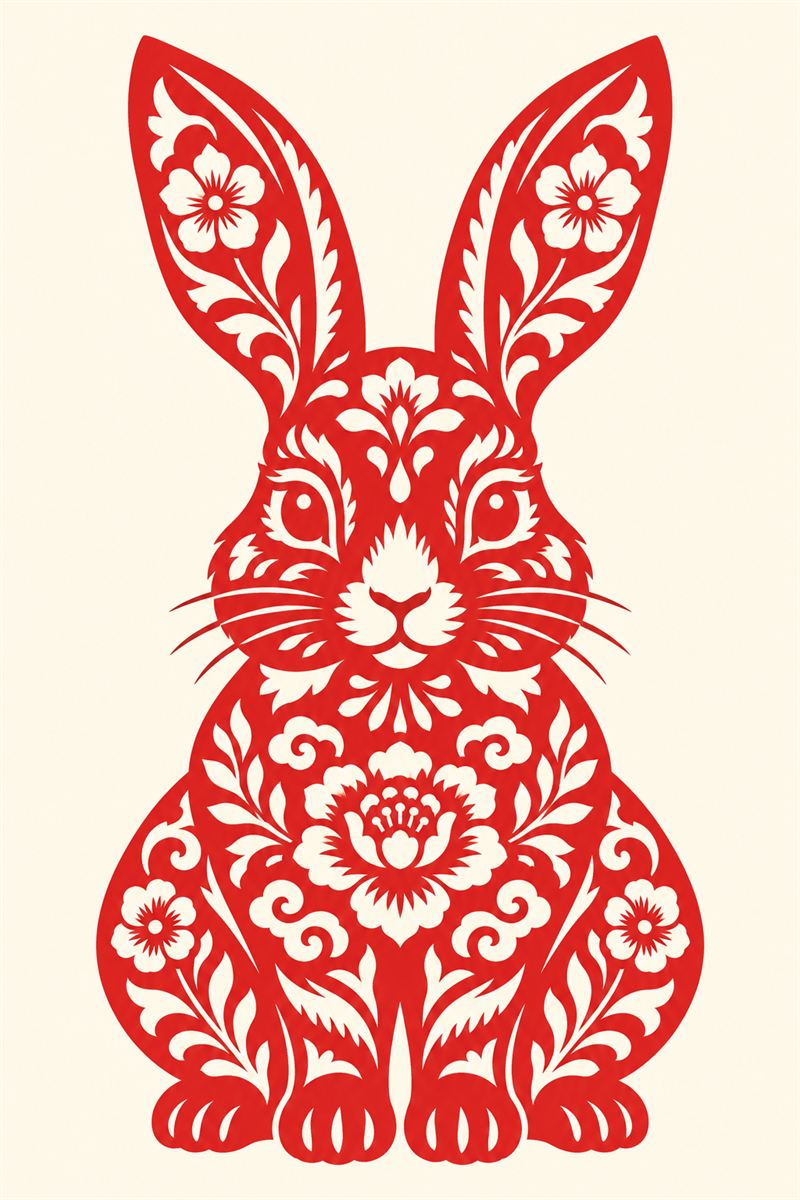
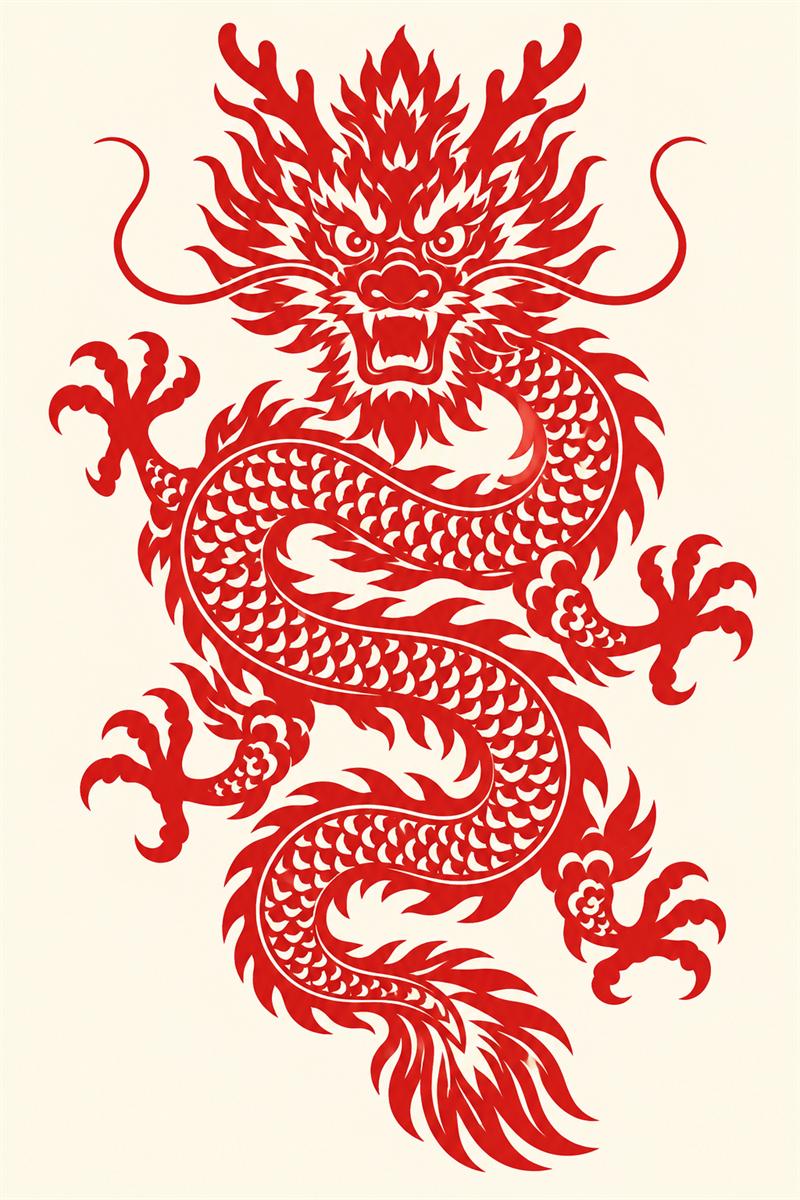
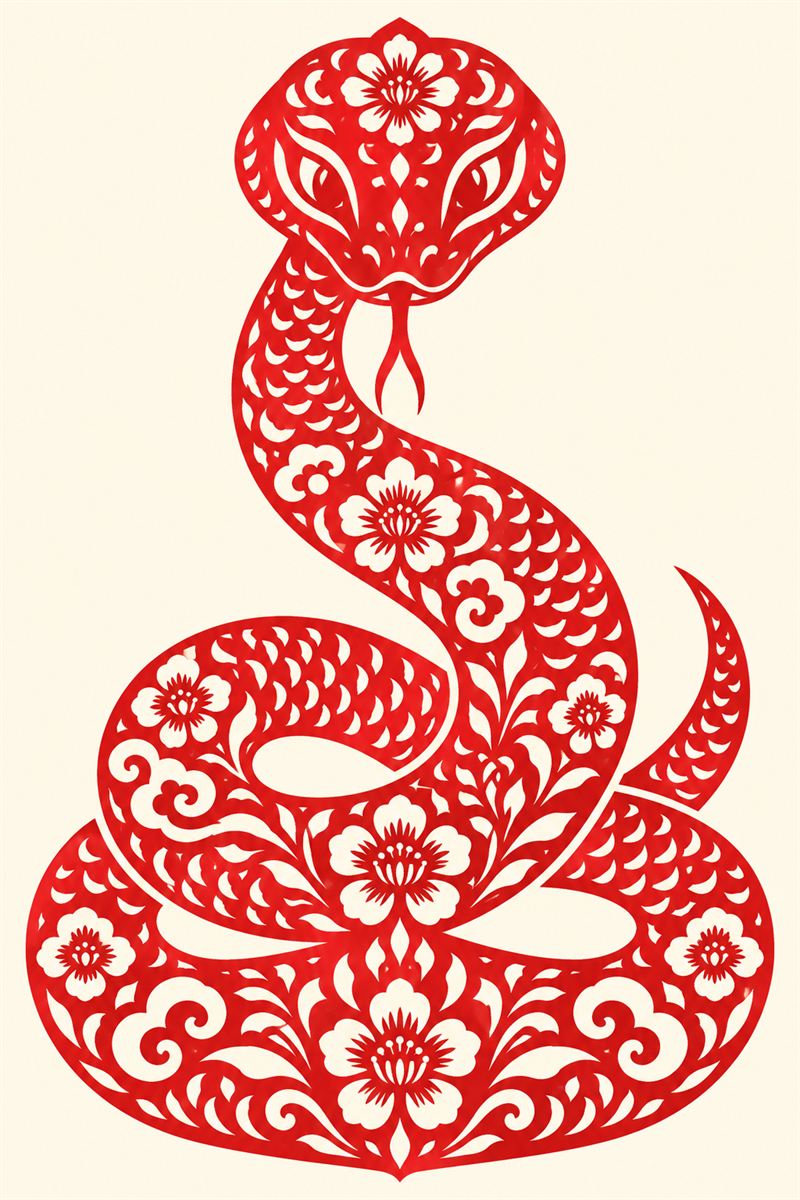
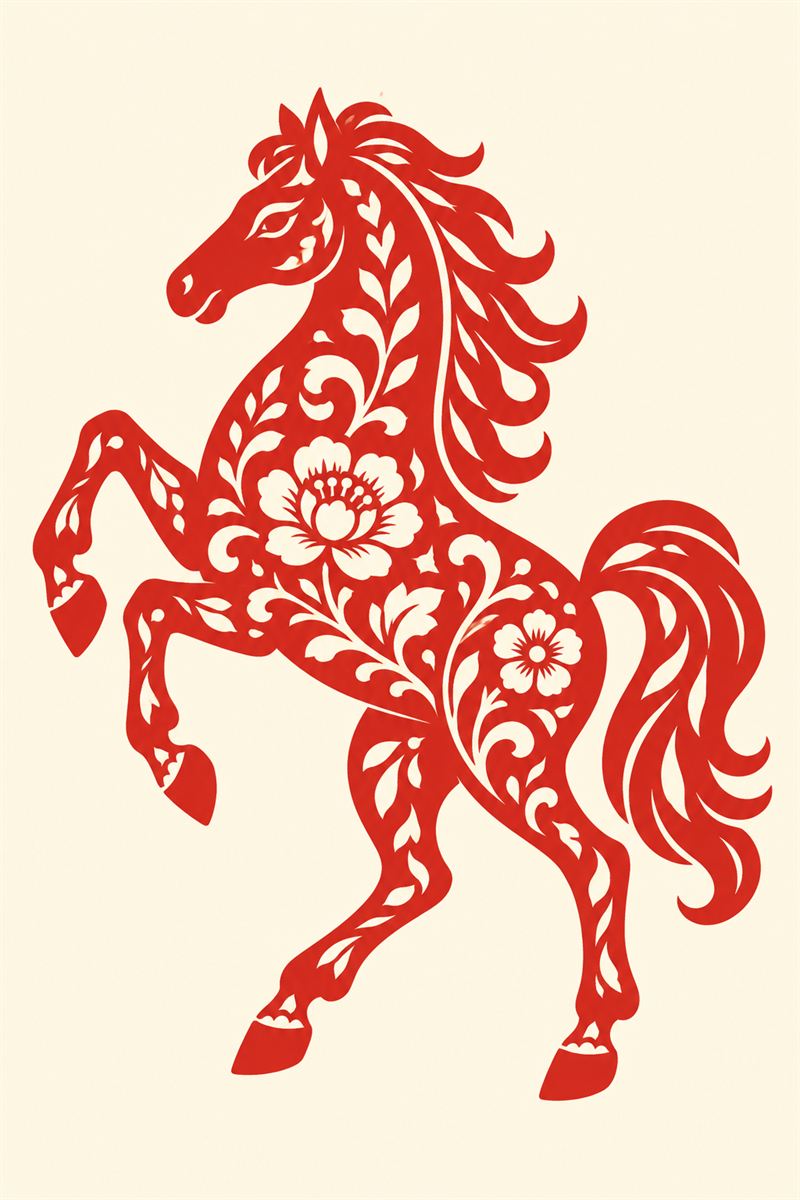
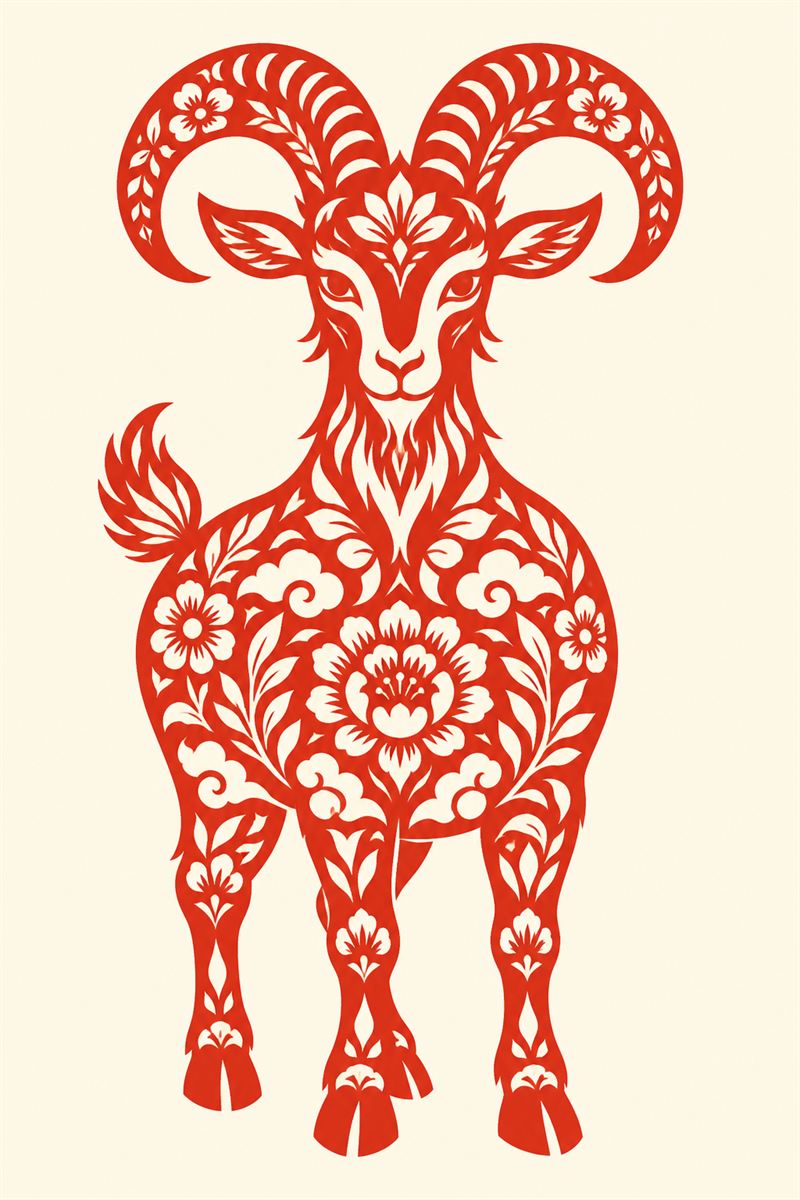
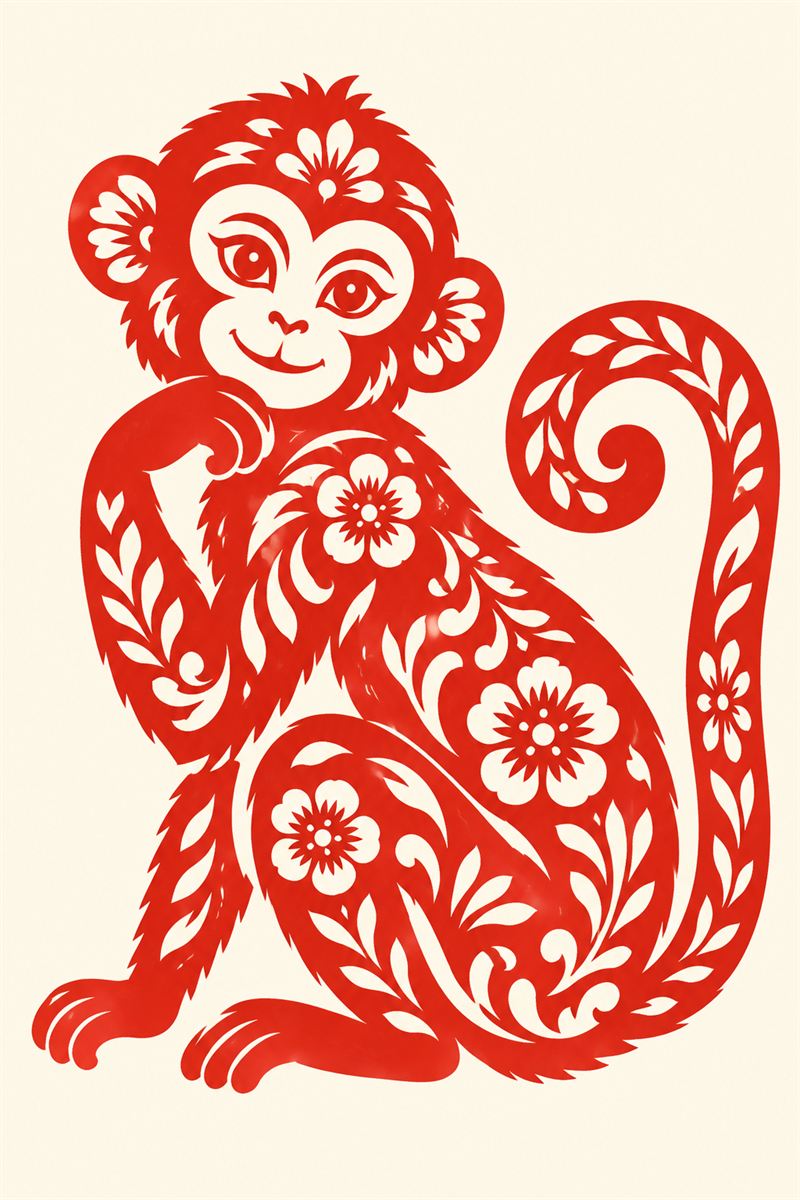
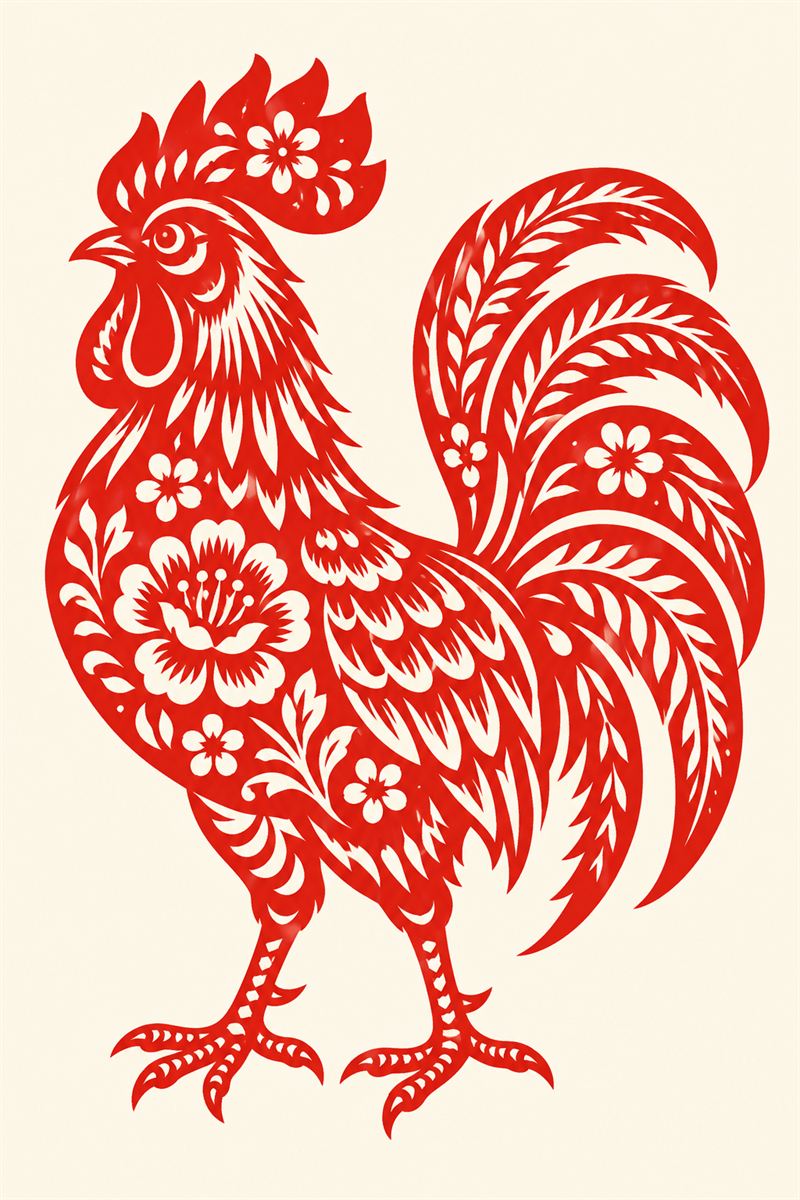
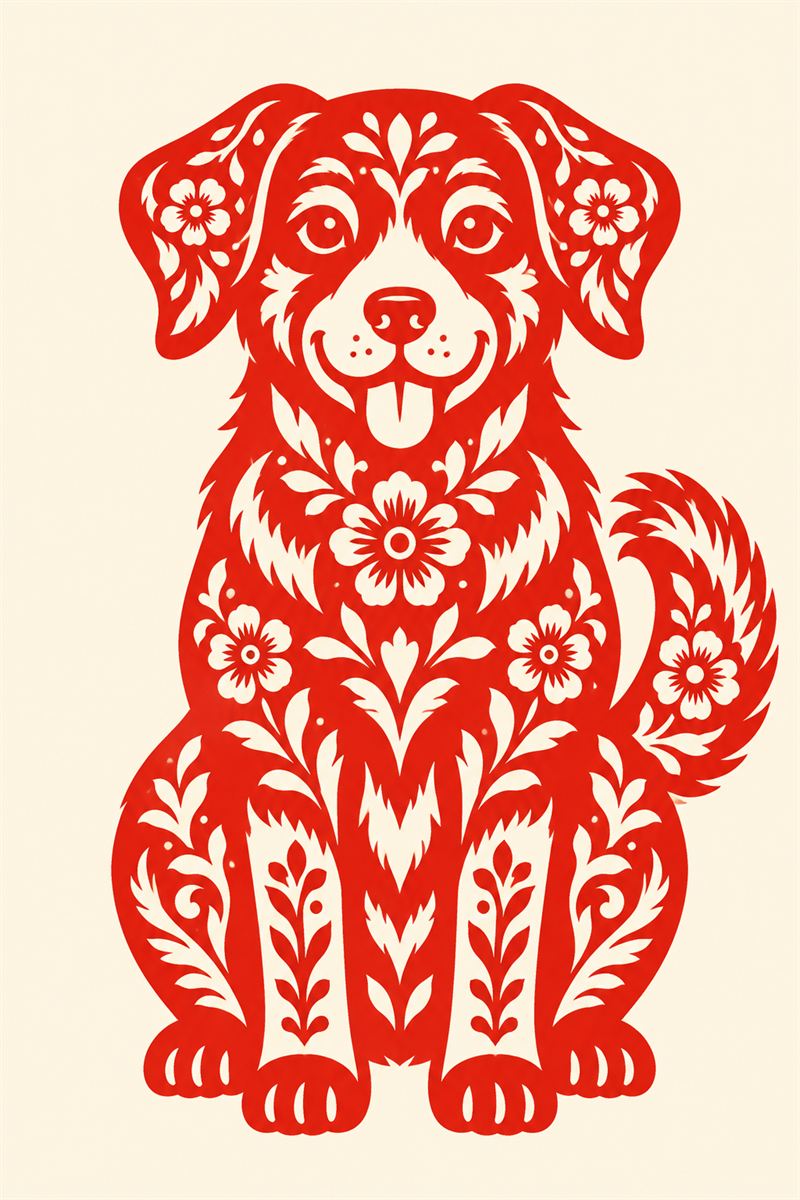
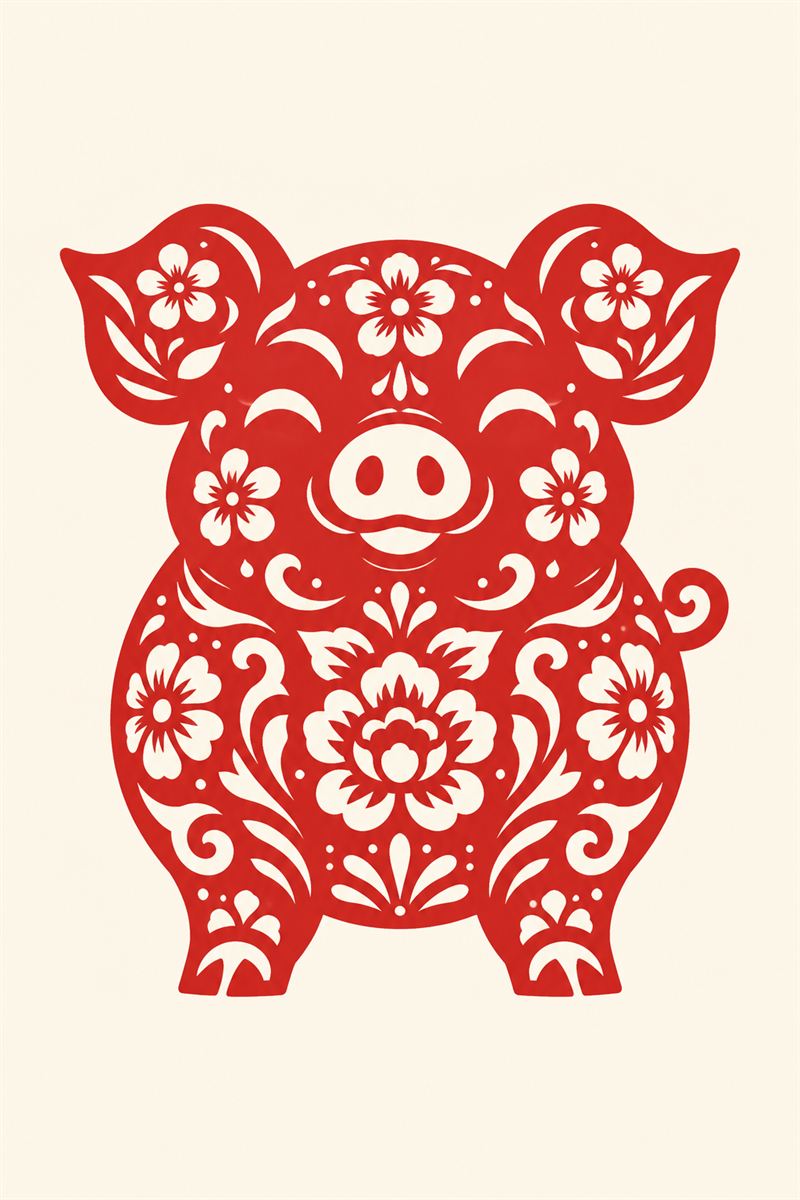
Red Paper-cut
Traditional Chinese method
Jianzhi (剪纸), folk paper-cutting: a single sheet of red paper cut into a flat silhouette with the pattern carved out from inside, pasted on windows at New Year. Listed by UNESCO as intangible cultural heritage in 2009.
Best for: High-contrast thumbnails and Chinese New Year posts — it reads clearly even at pin size.
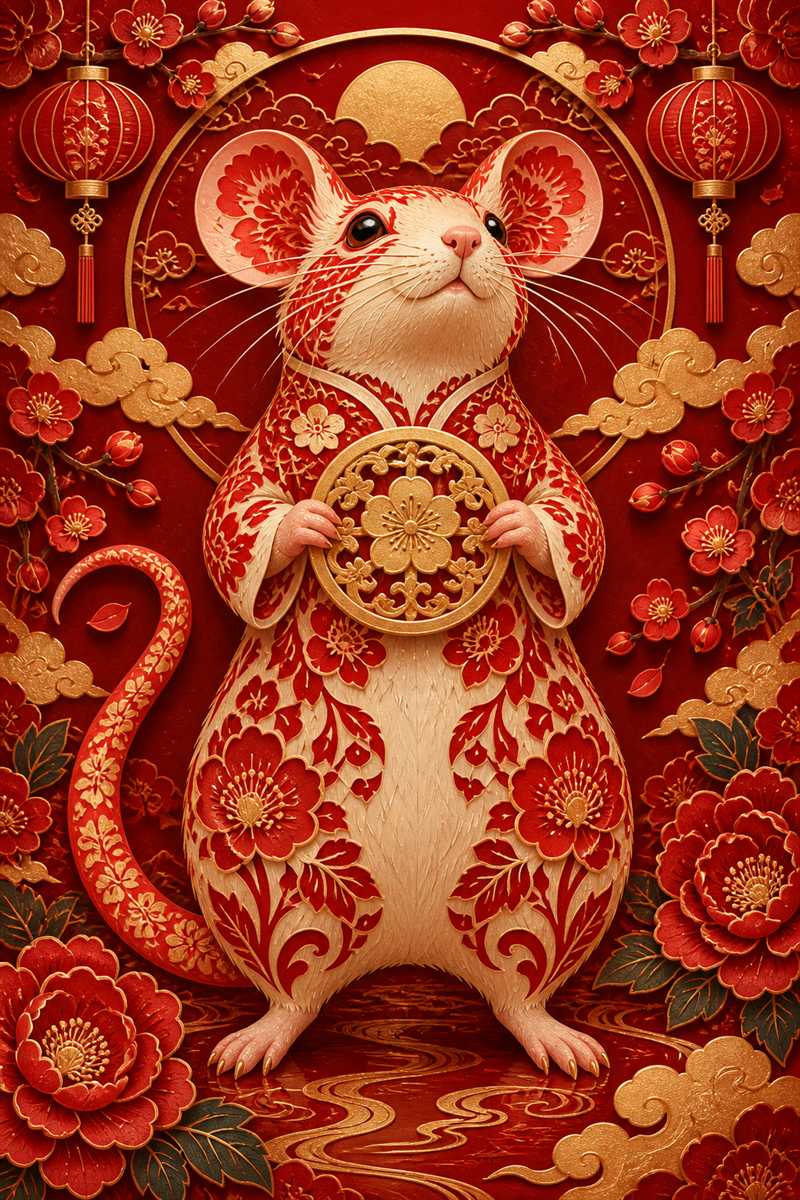
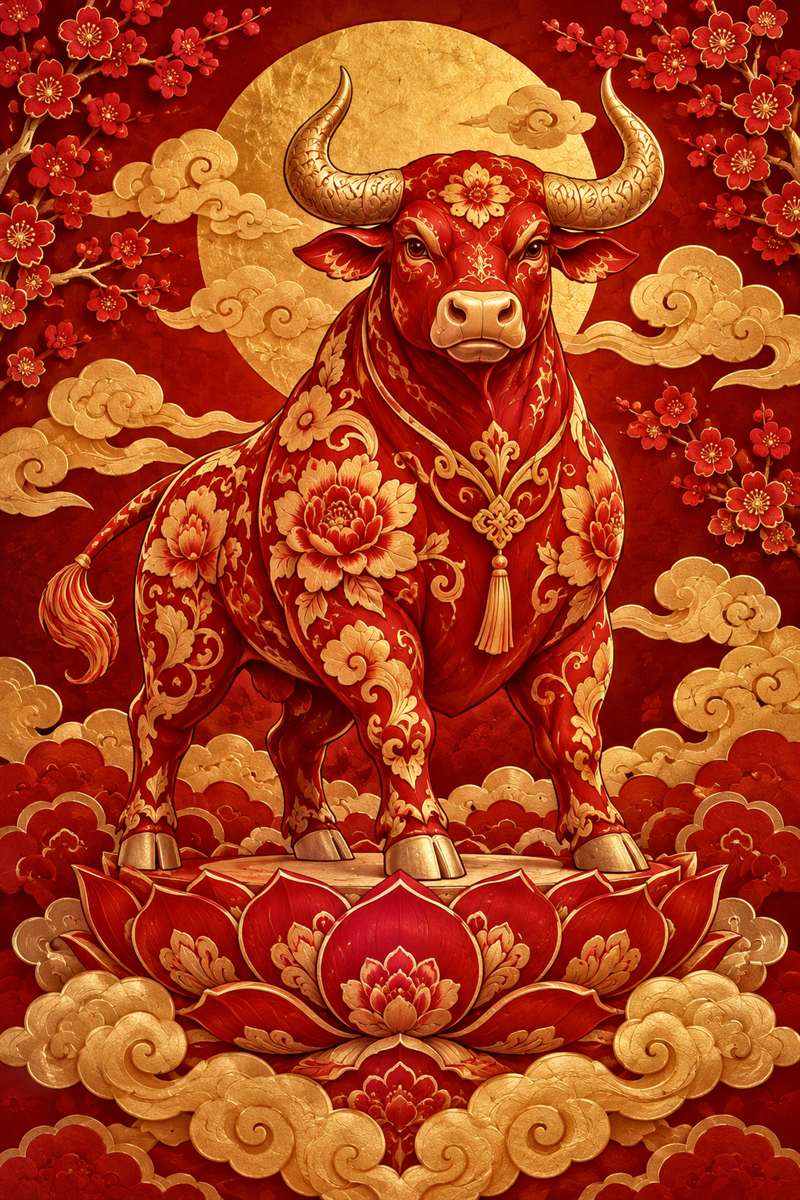
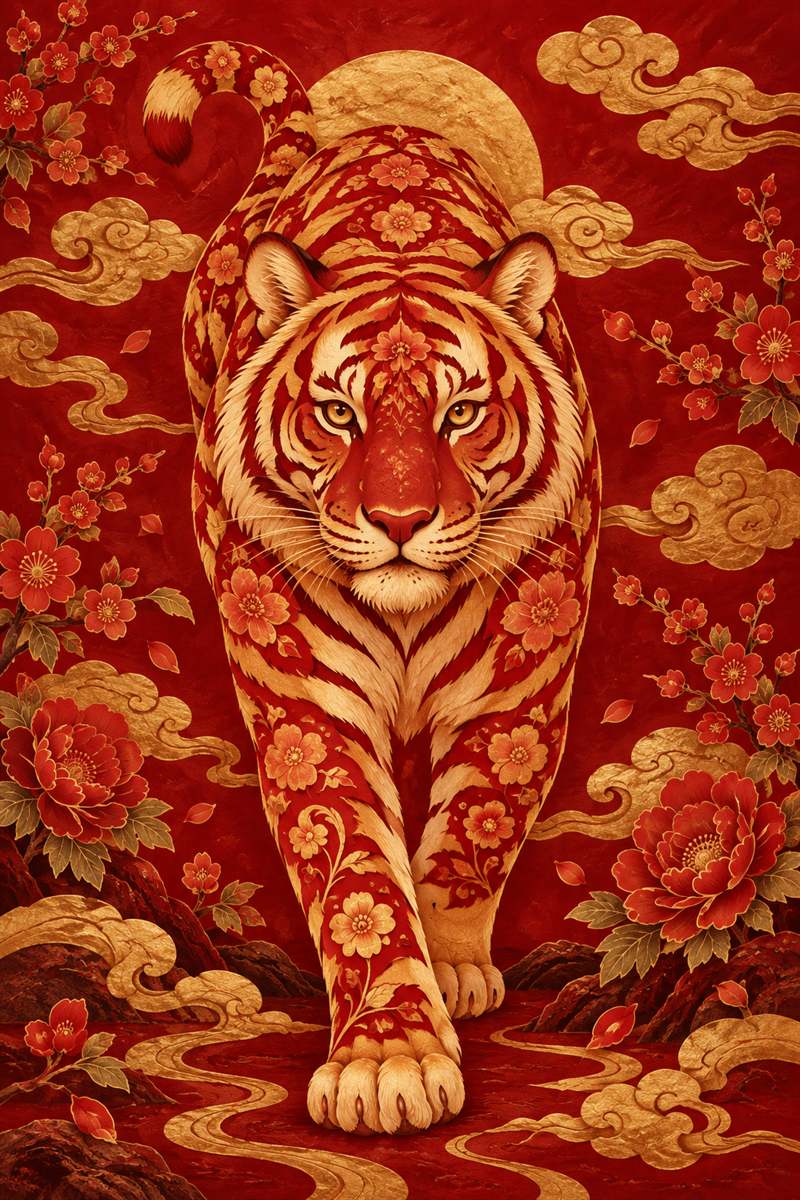
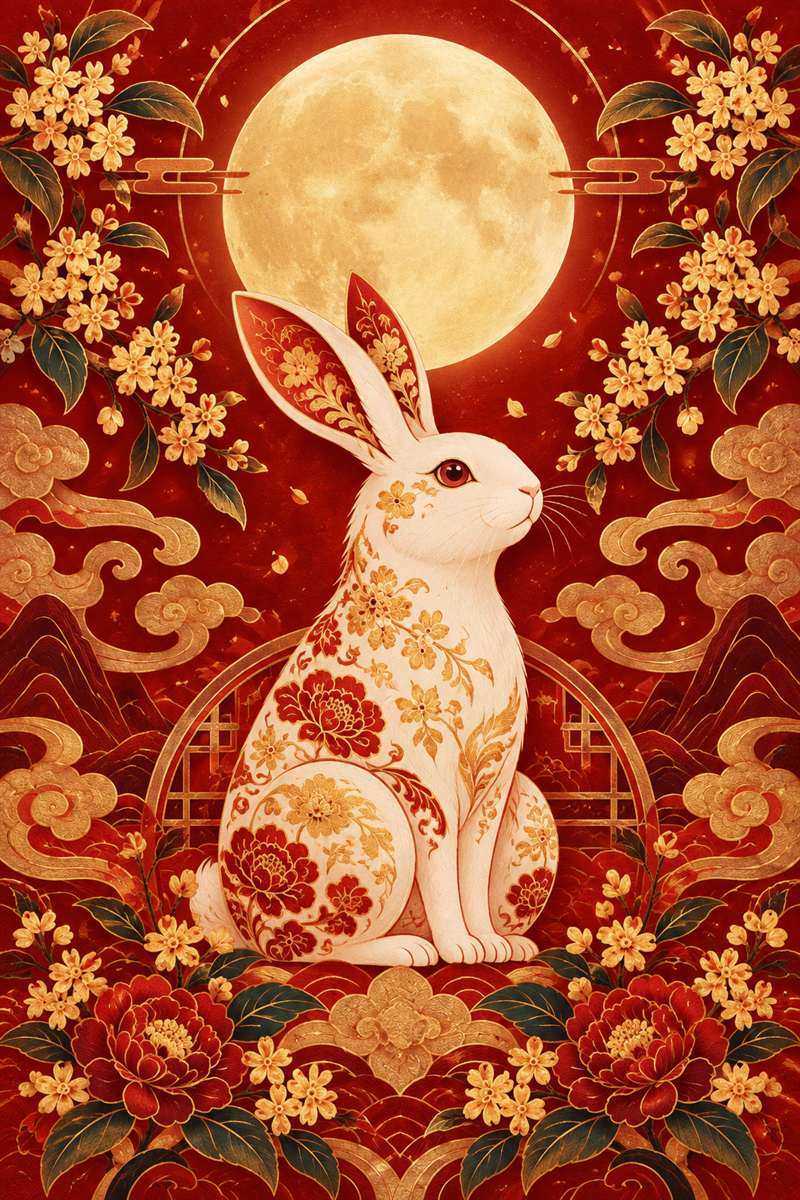
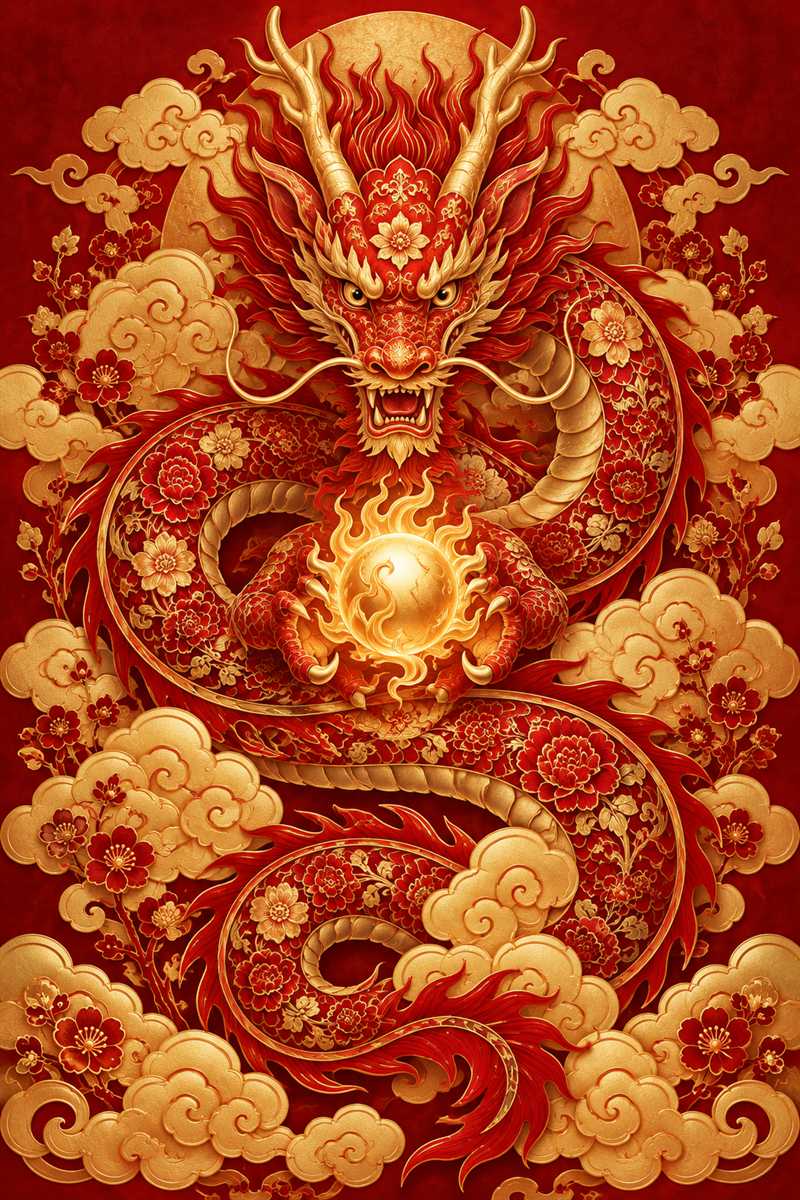
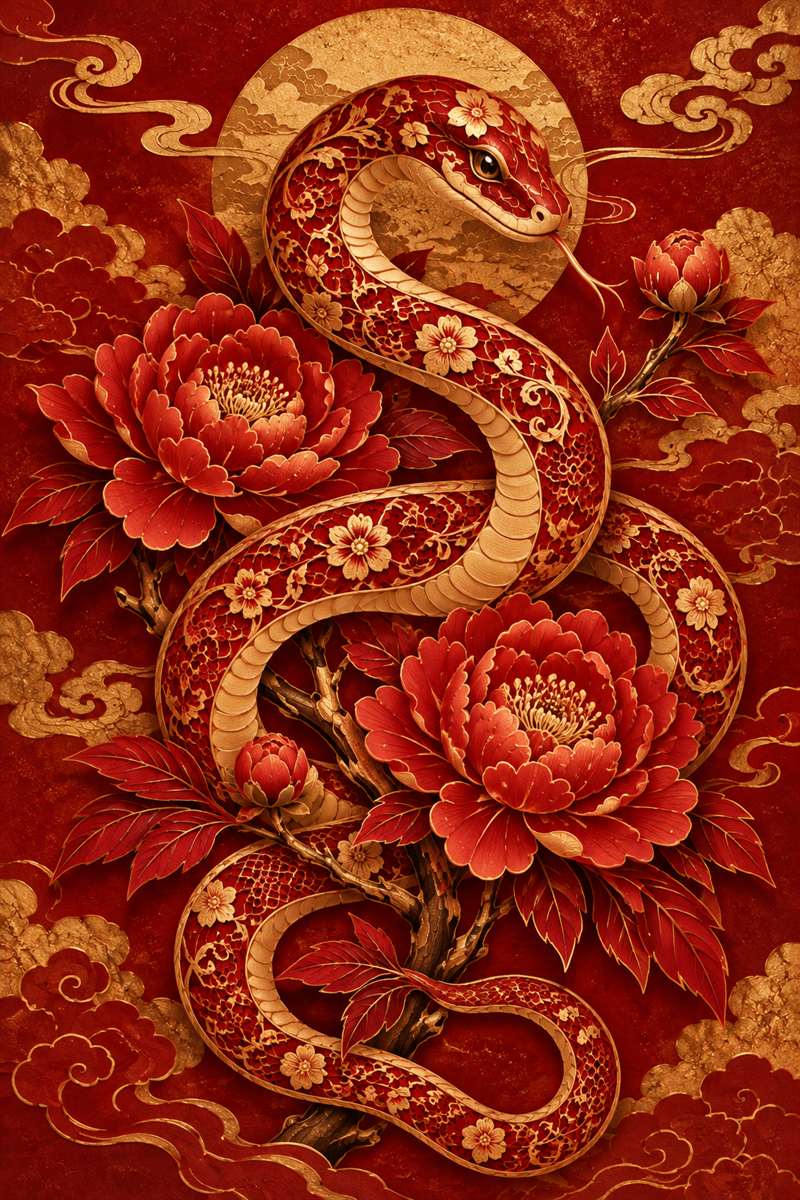
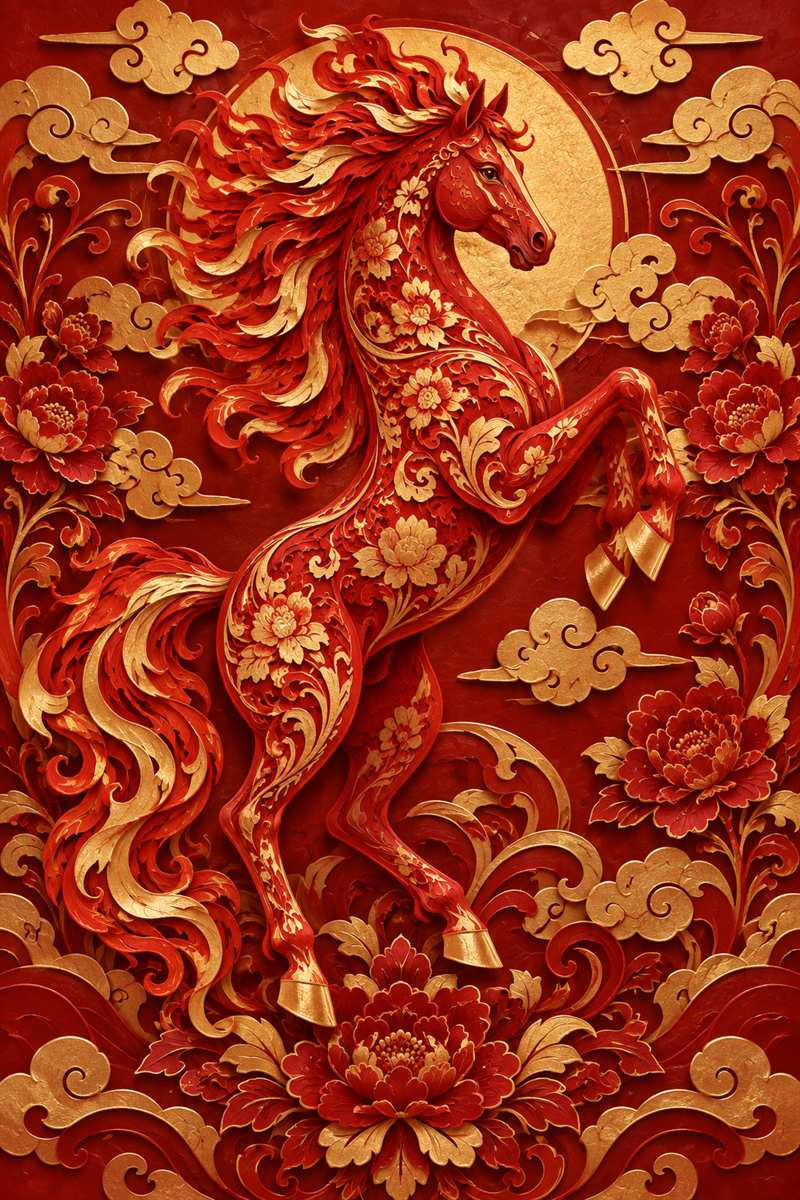
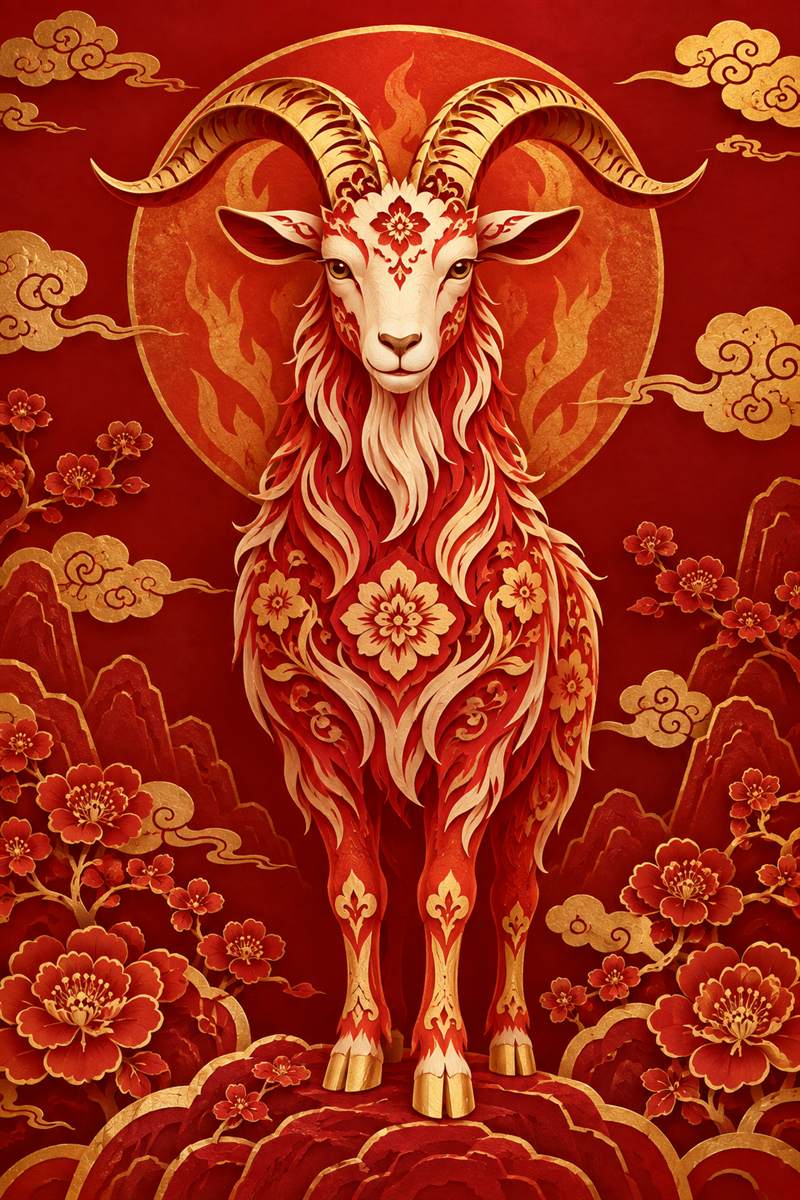
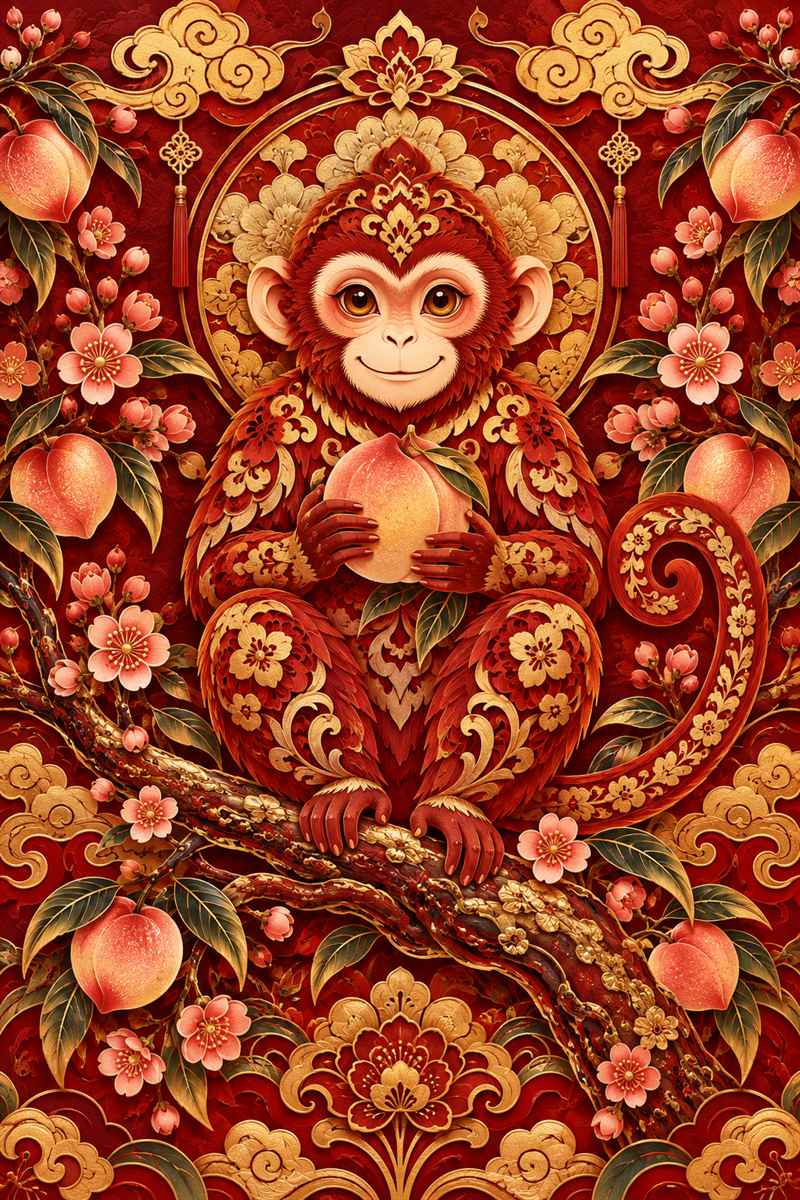
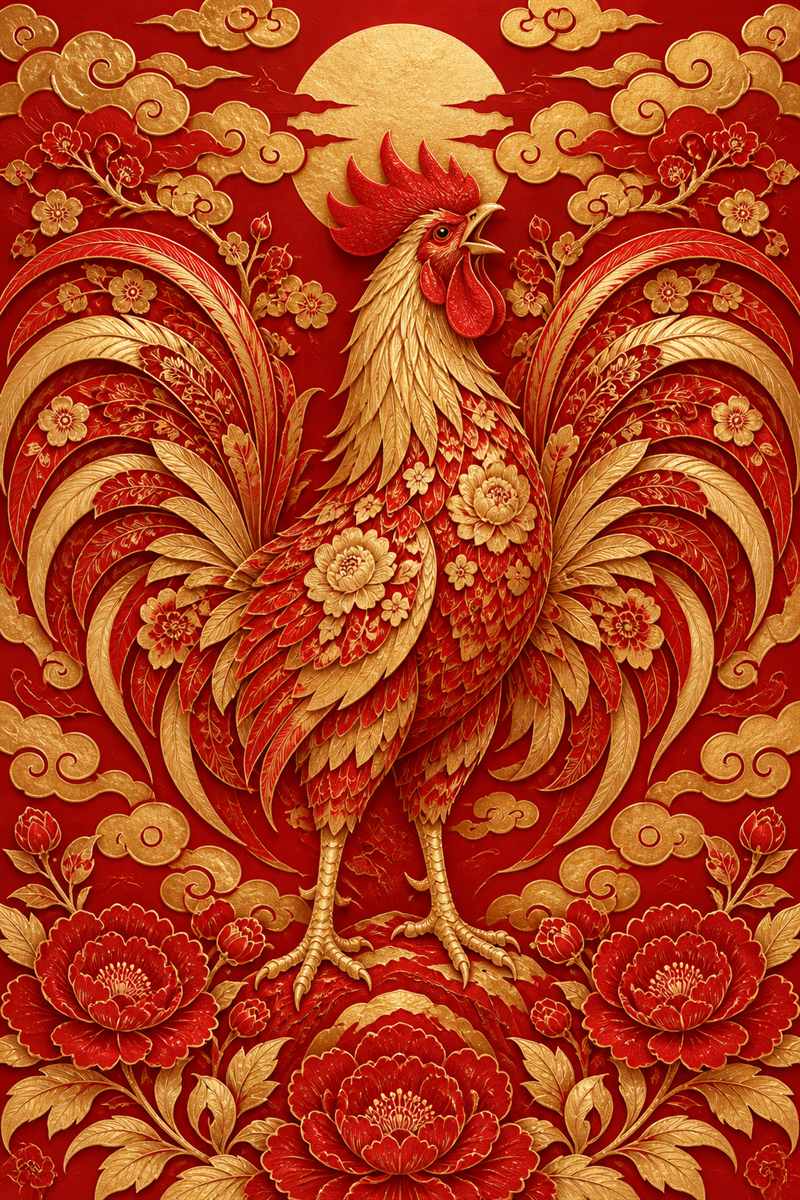
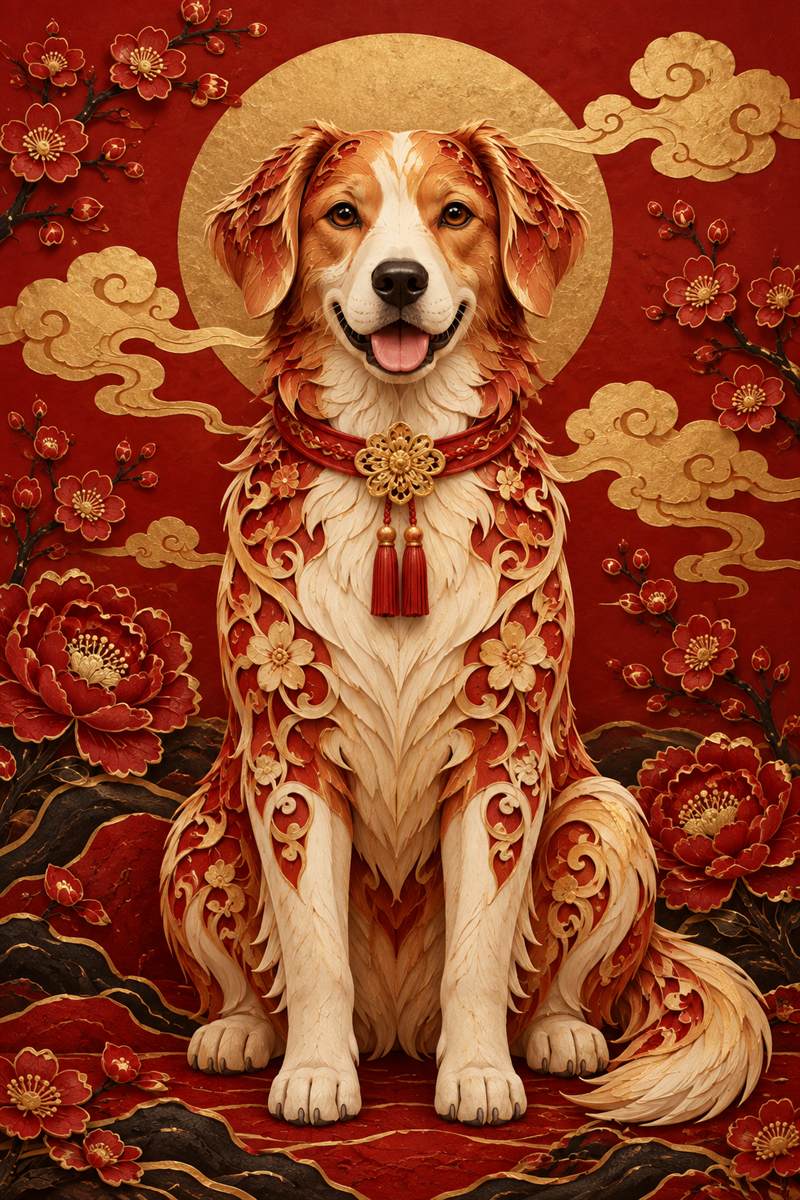
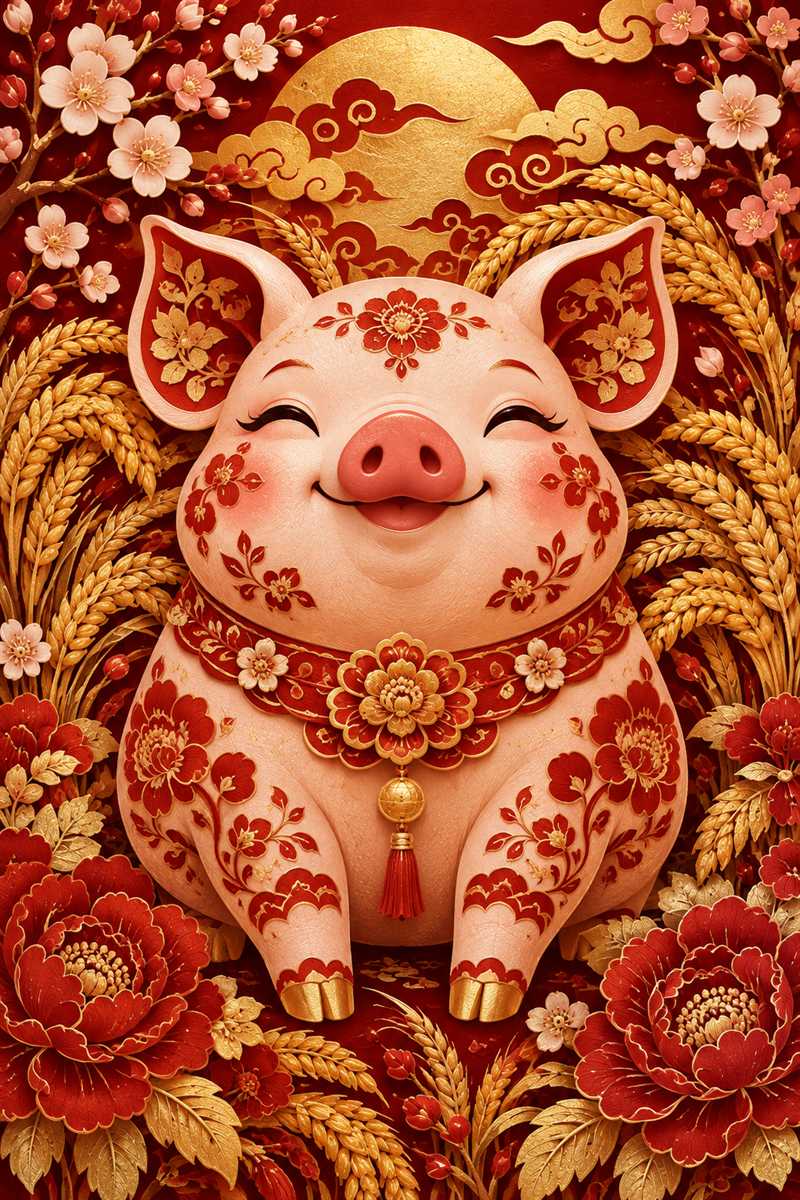
Crimson & Gold Lacquer
Traditional Chinese method
The festive end of the paper-cut tradition crossed with gilded lacquerware: a deep crimson ground, gold cloud motifs and gold-leaf accents, everything arranged symmetrically around the animal.
Best for: Red-envelope and New Year framing; this is the style used on the printed report covers.
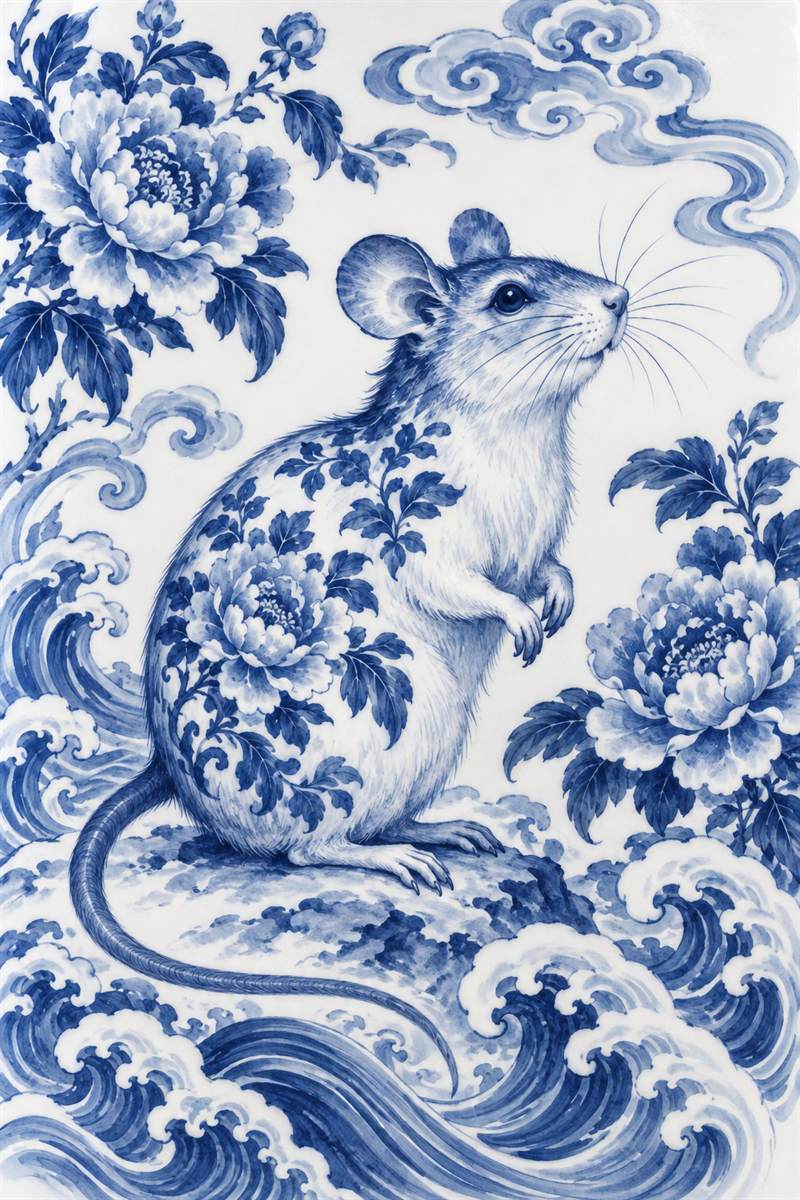
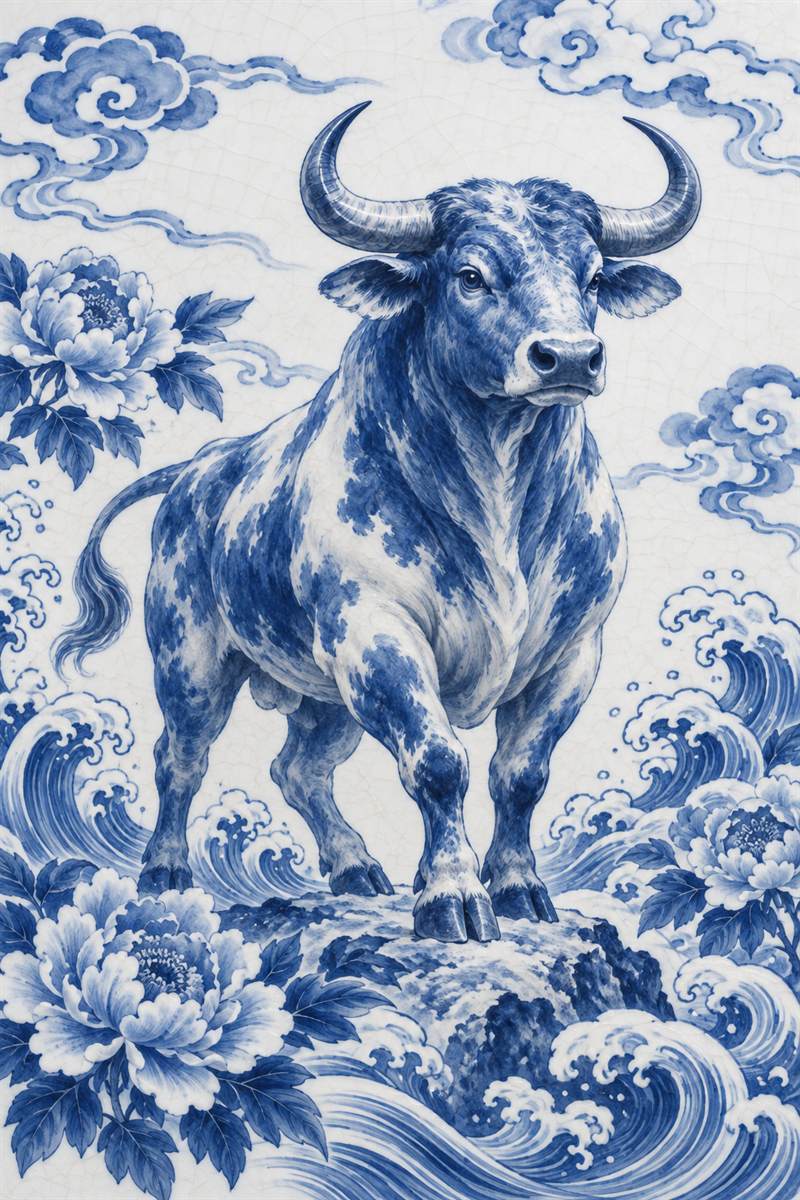
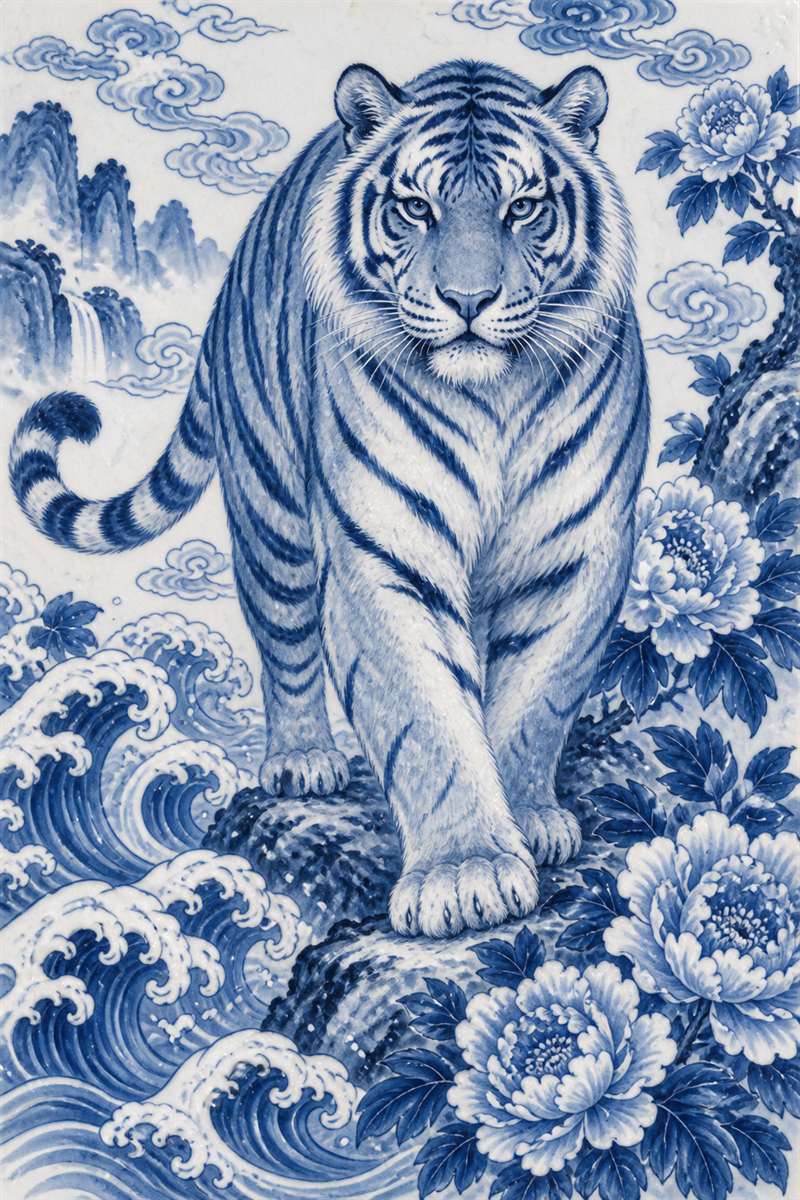
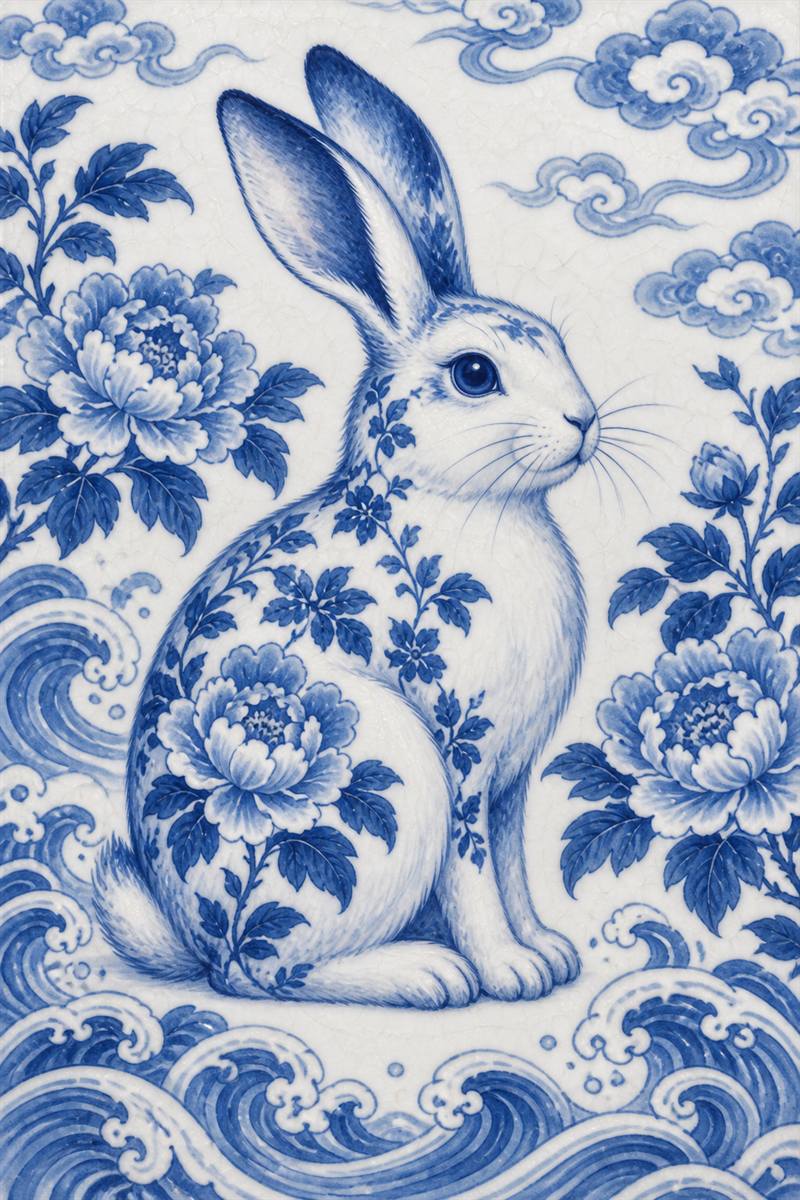
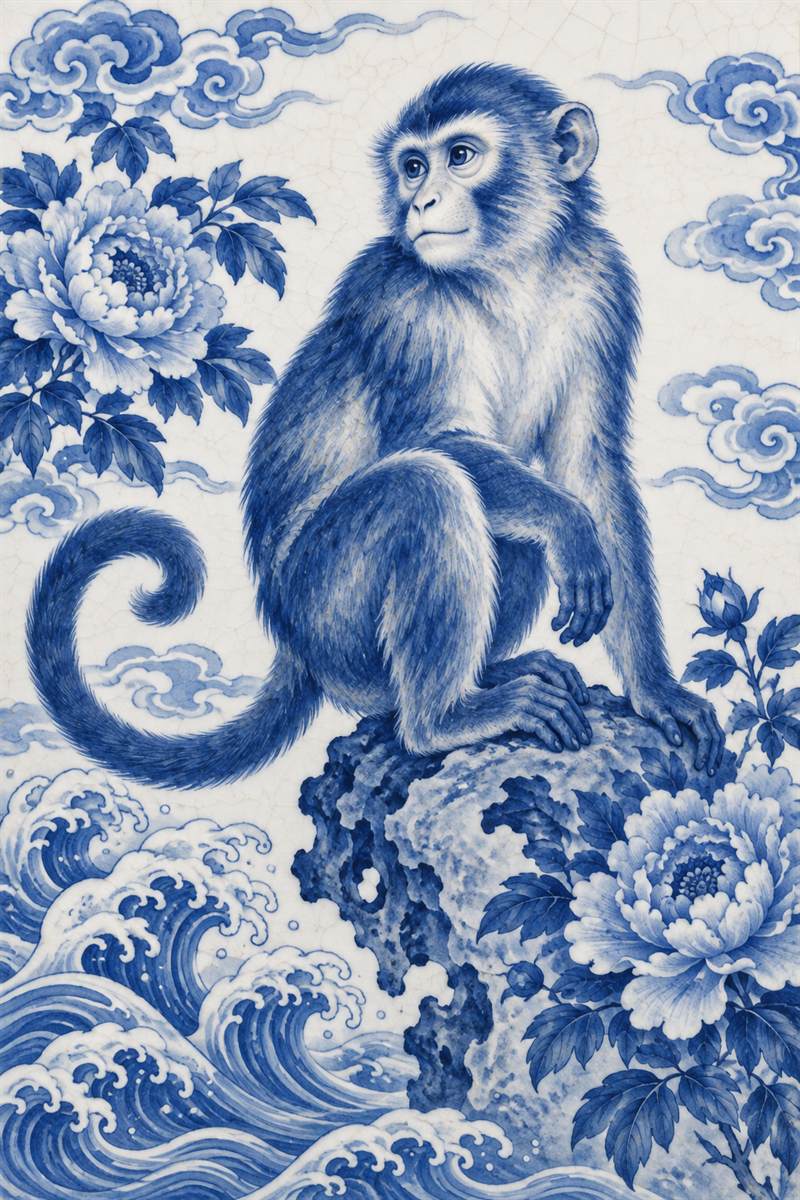
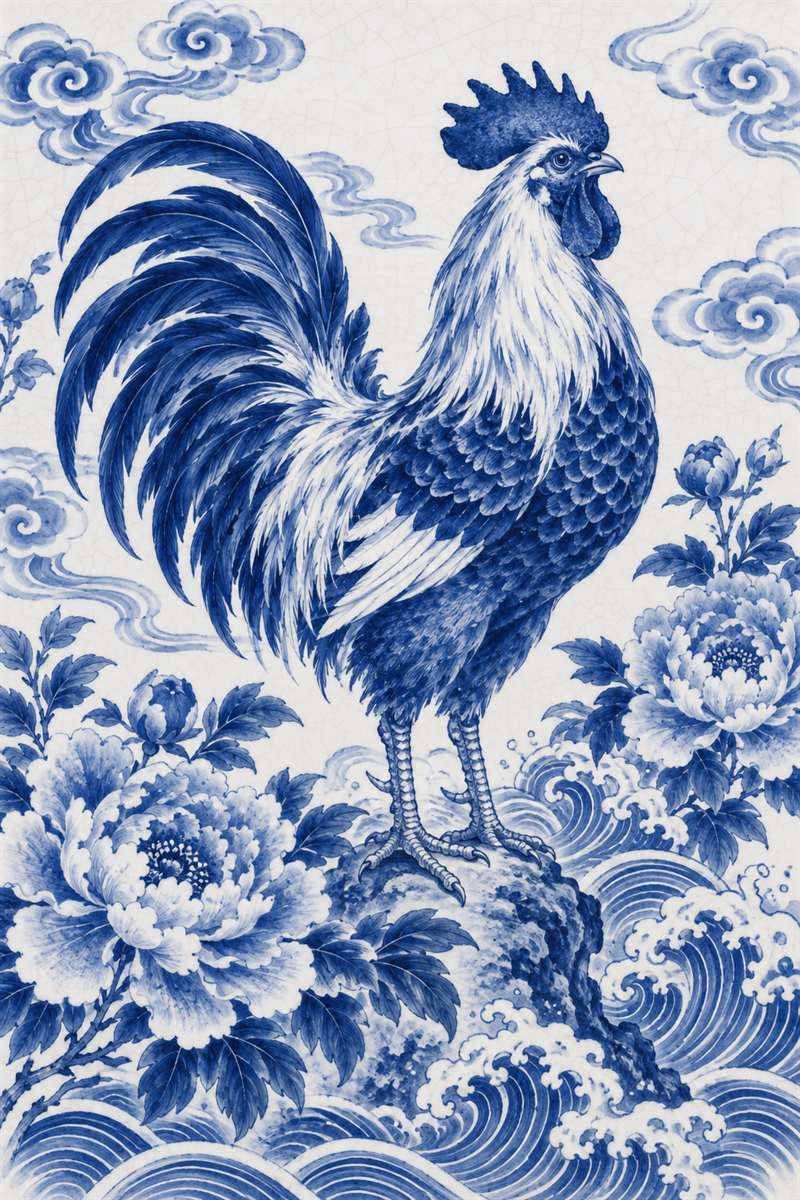
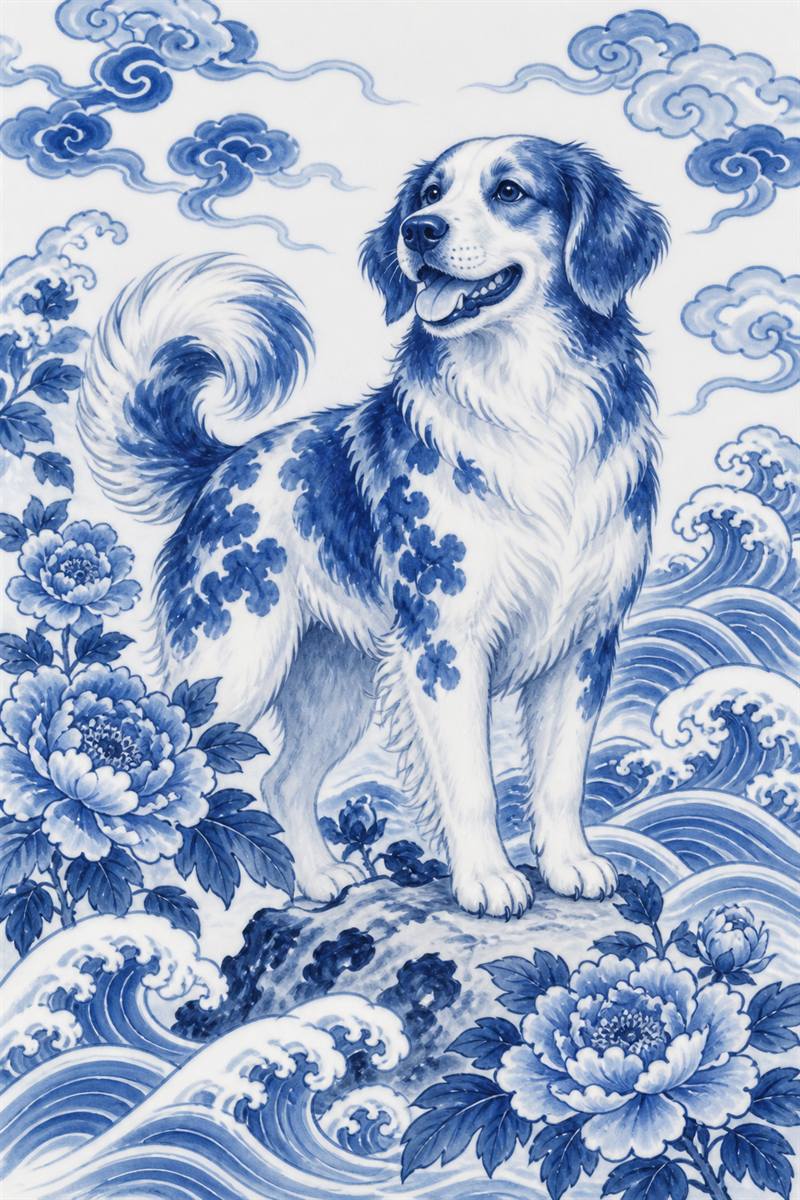
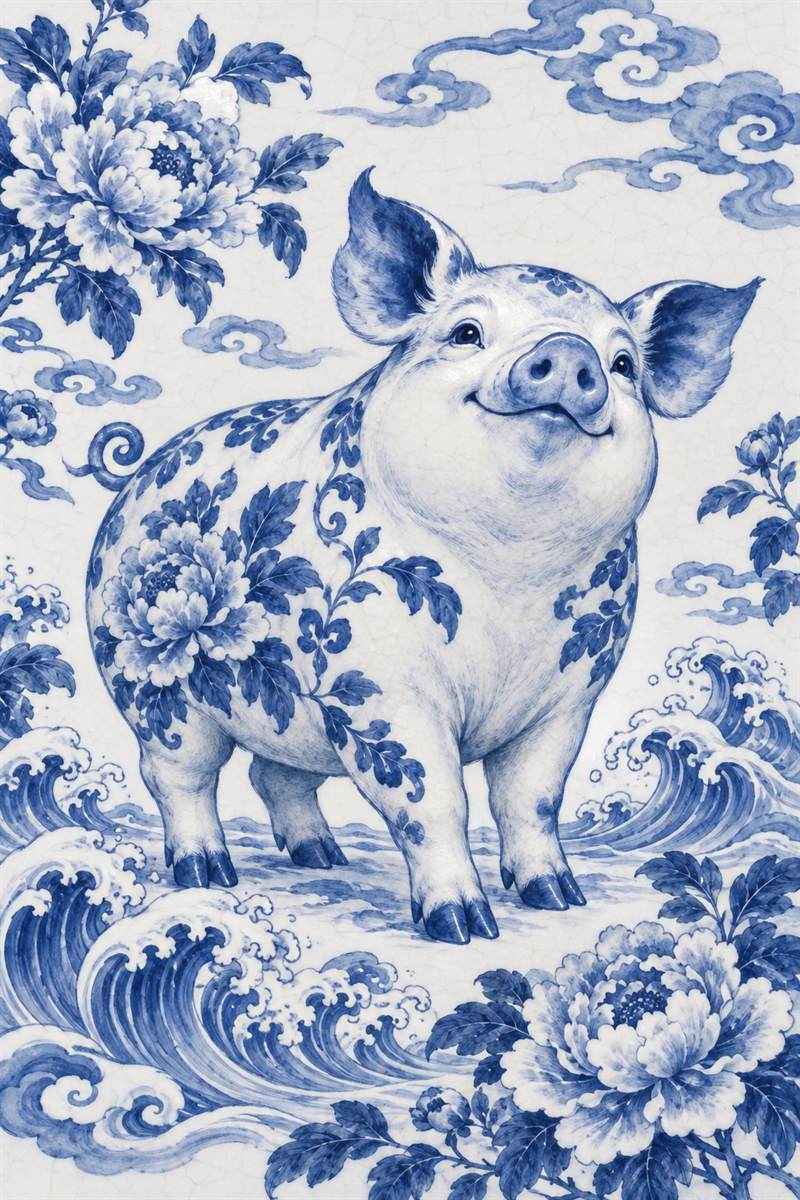
Blue & White Porcelain
Traditional Chinese method
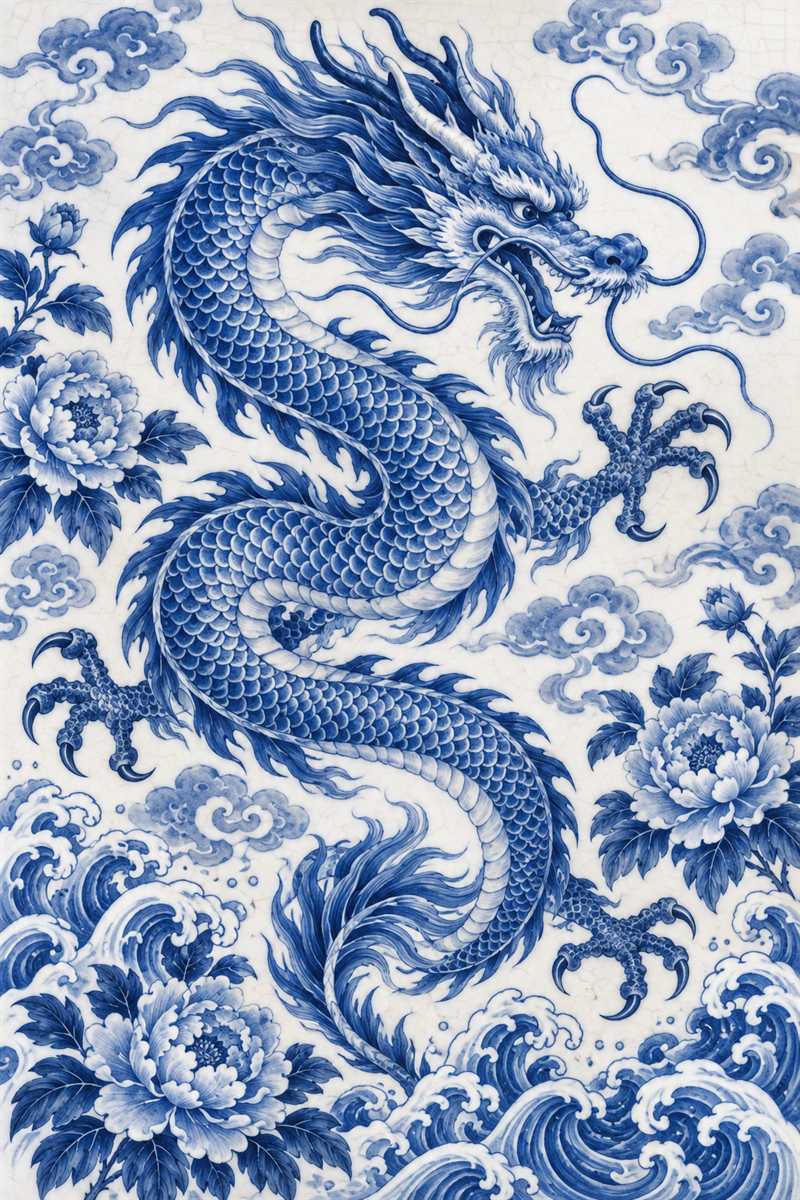
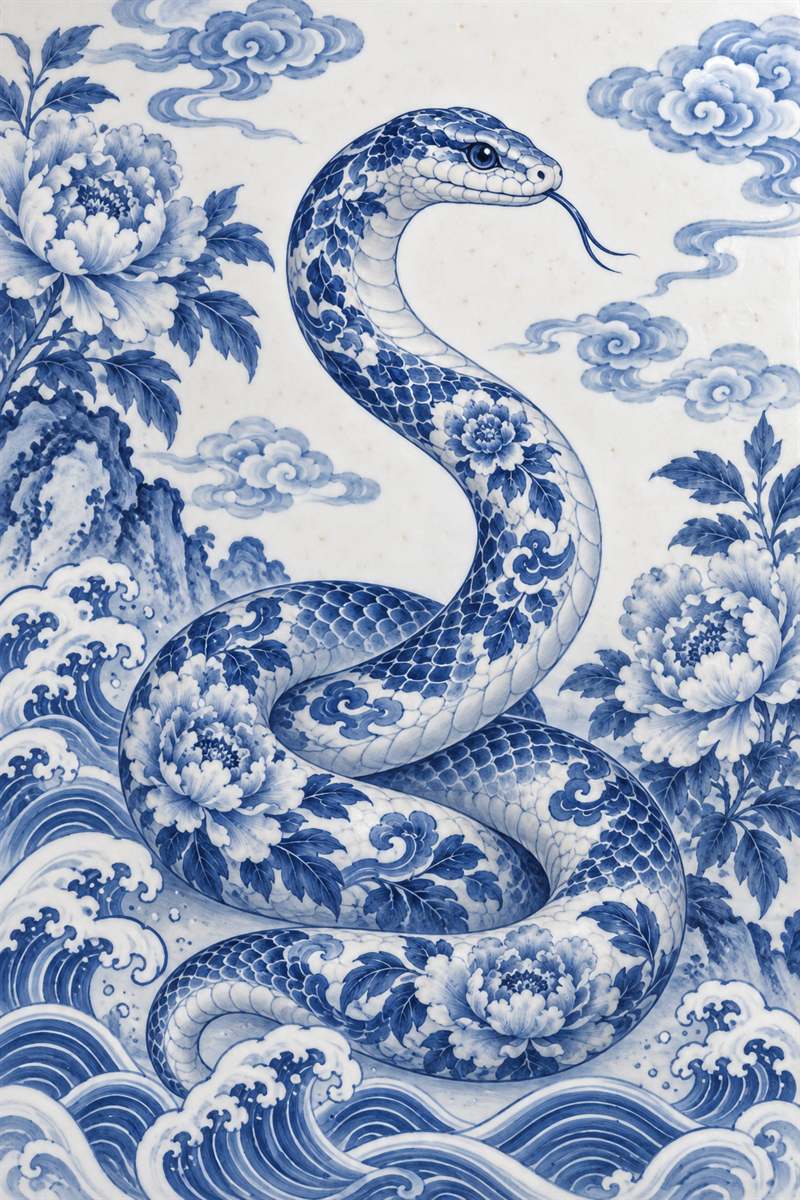
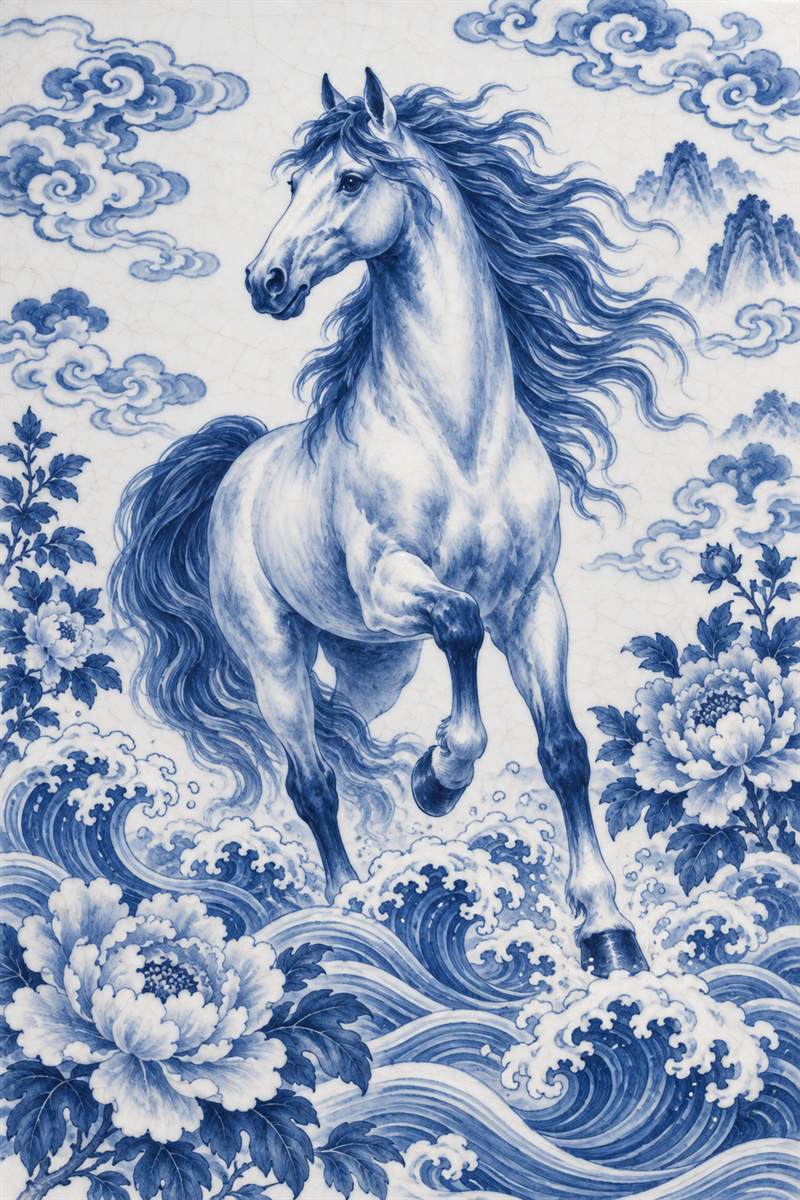
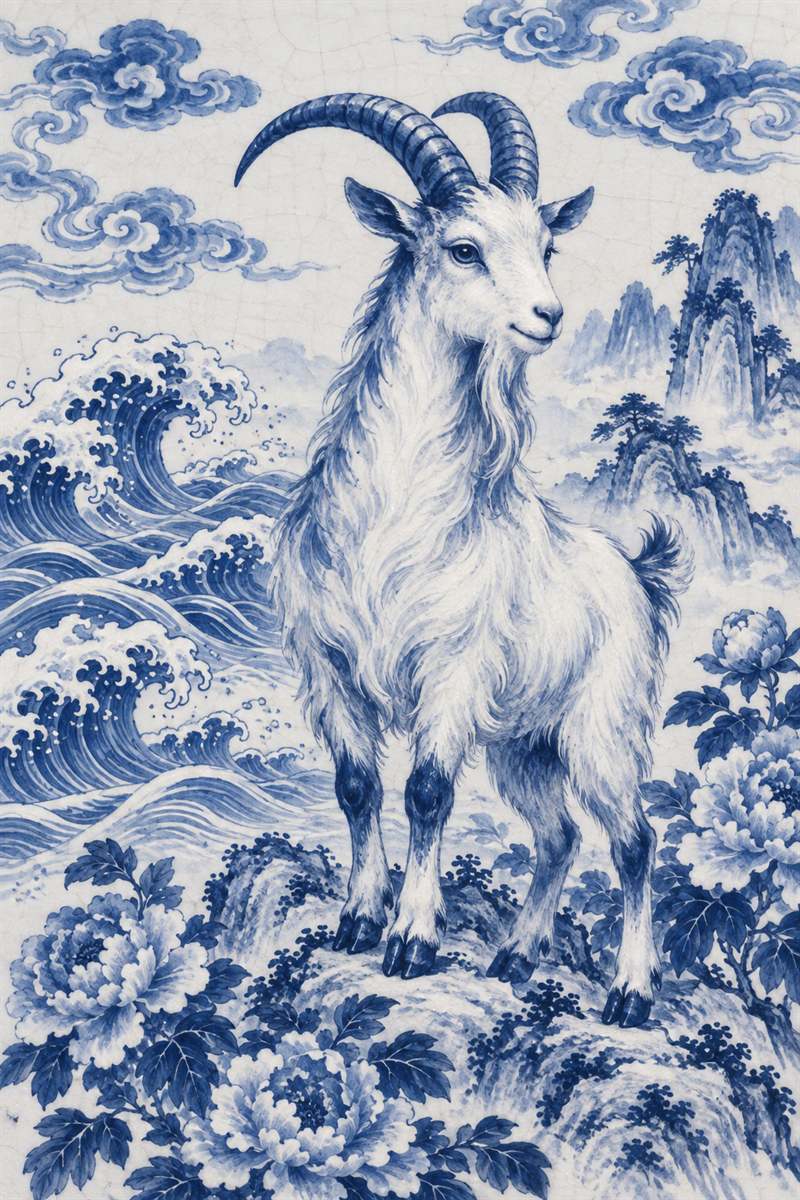
Qinghua (青花), cobalt painted under a clear glaze and fired onto white ceramic — perfected at the Jingdezhen kilns and exported worldwide from the Yuan and Ming dynasties onward. The waves, clouds and peonies around the animal are the standard motifs of that ware.
Best for: A cool palette that sits well against blue or neutral boards.
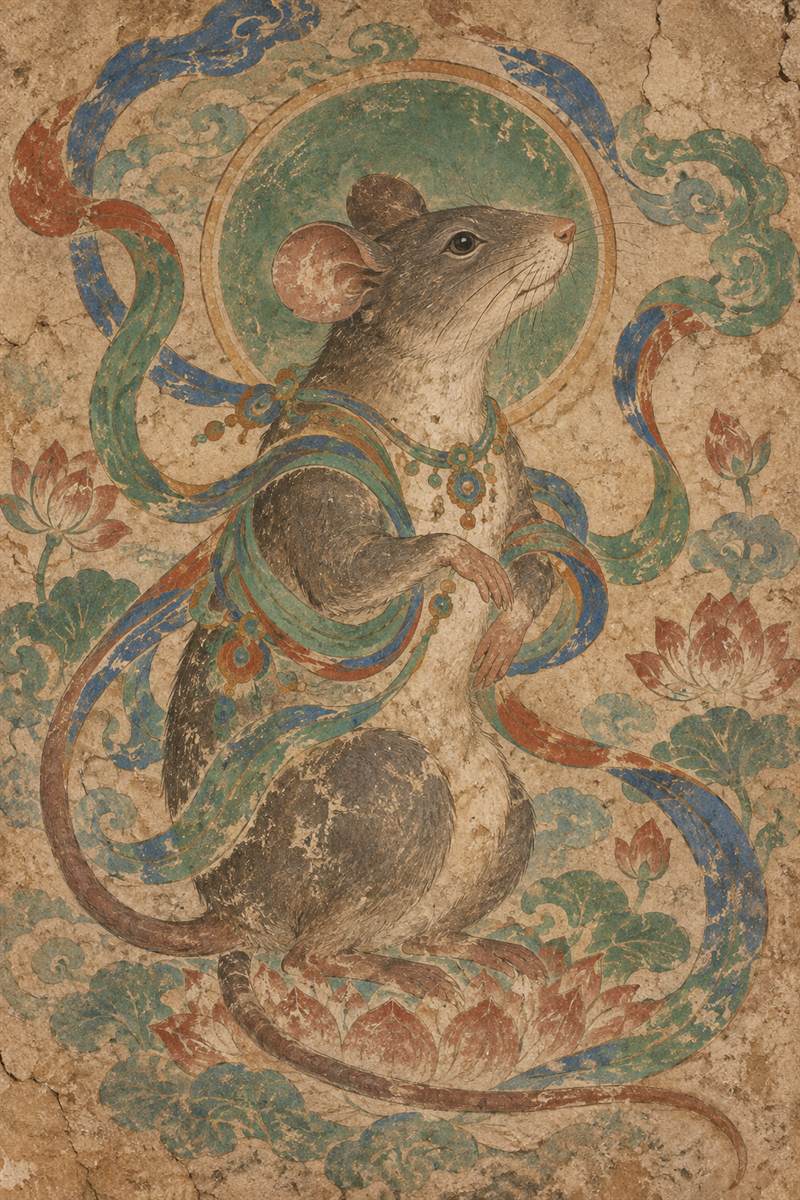
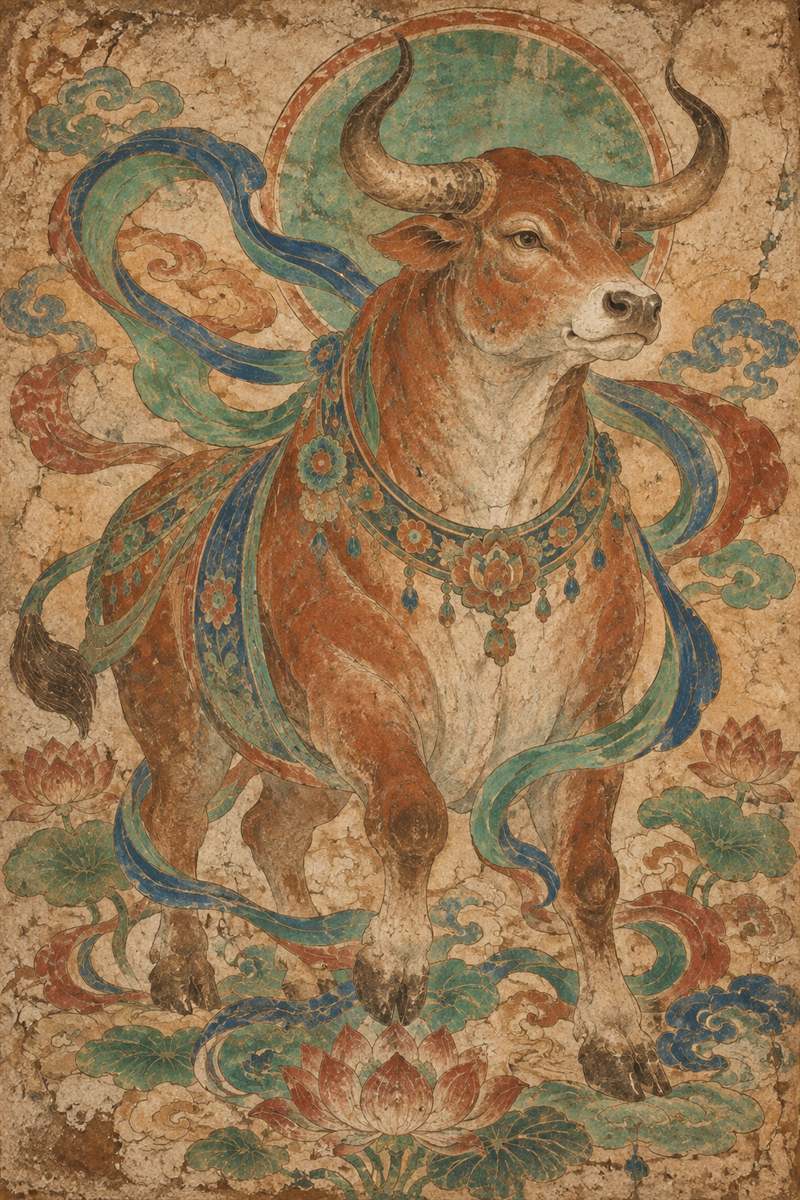
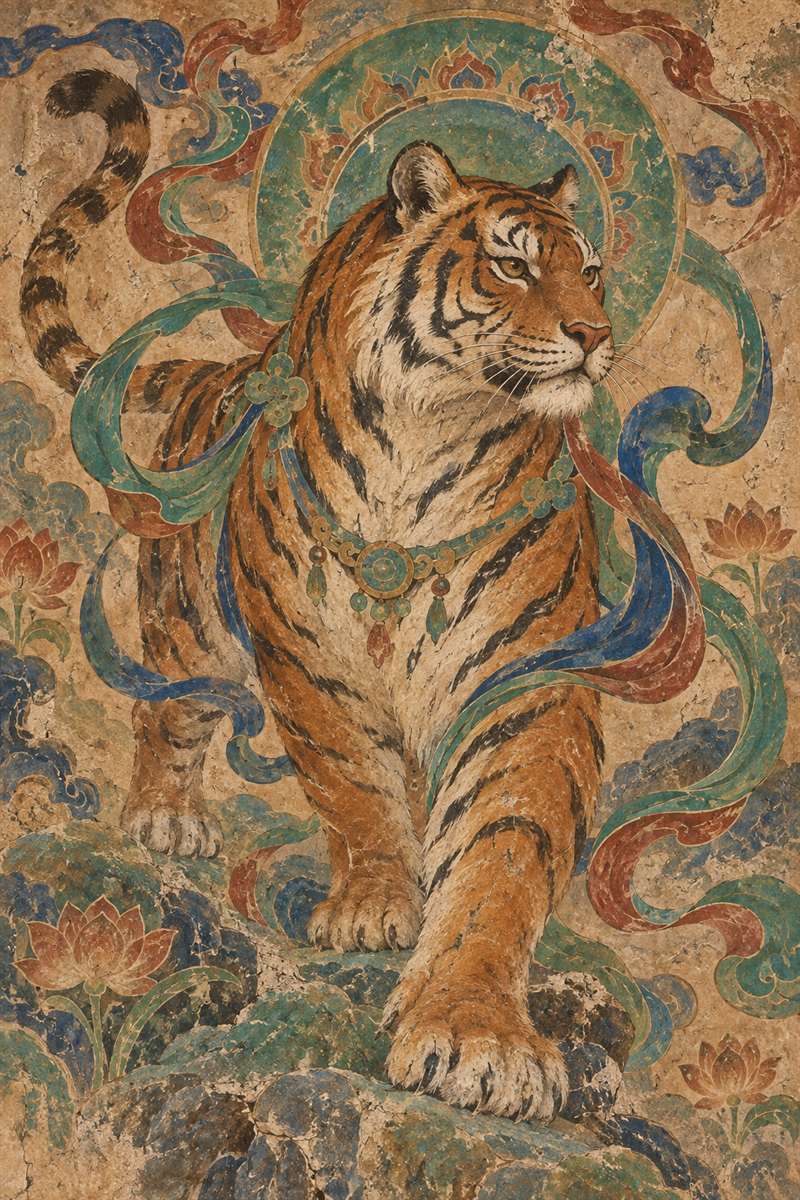
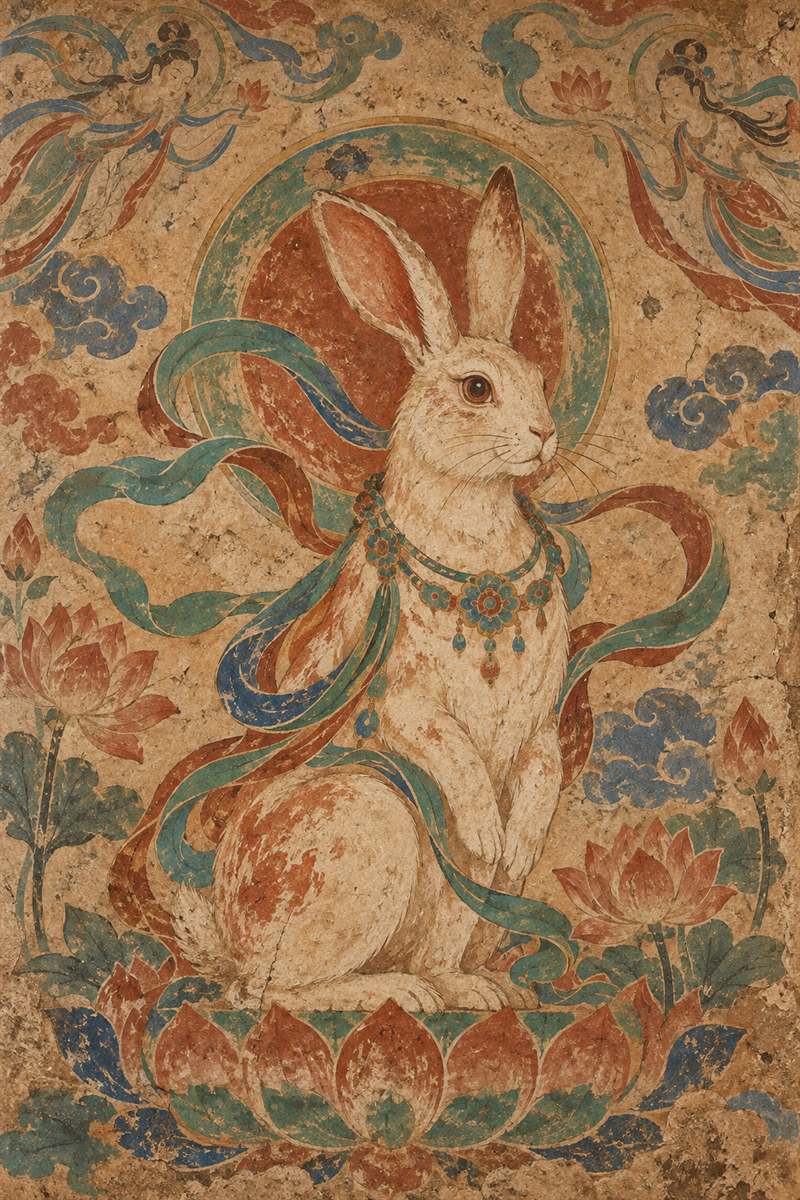
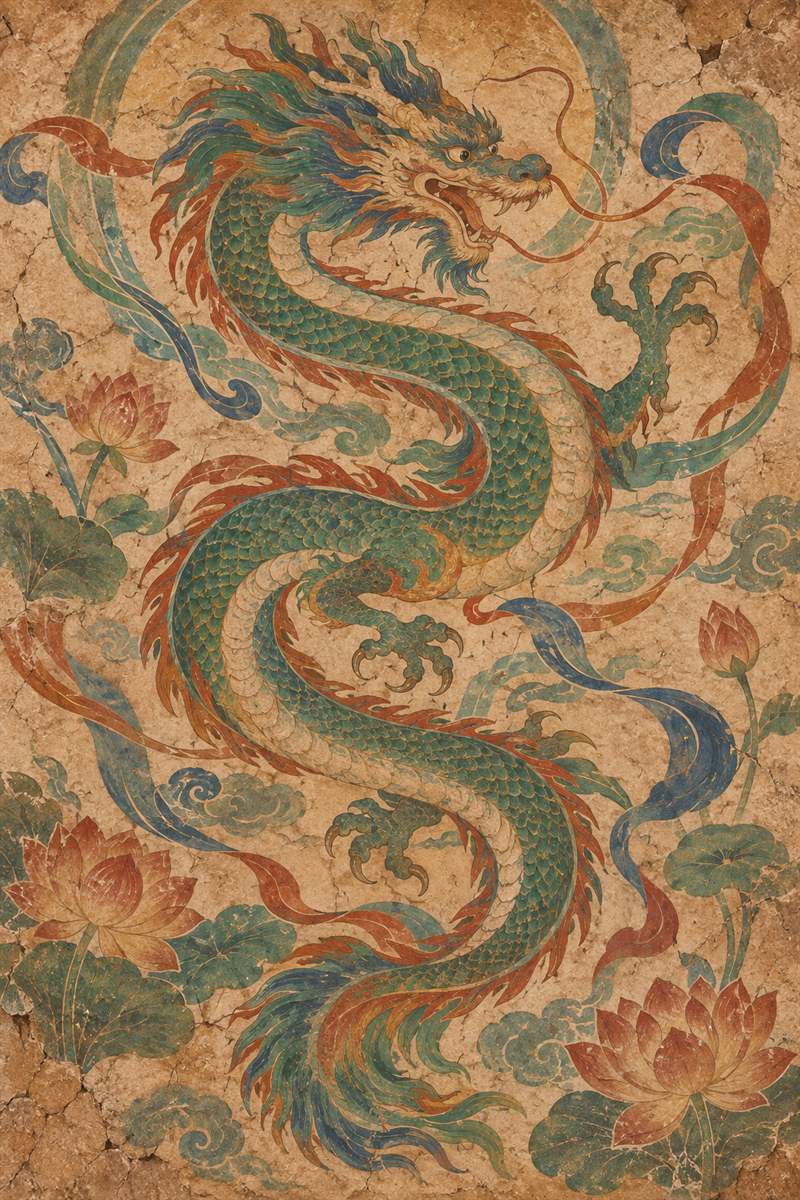
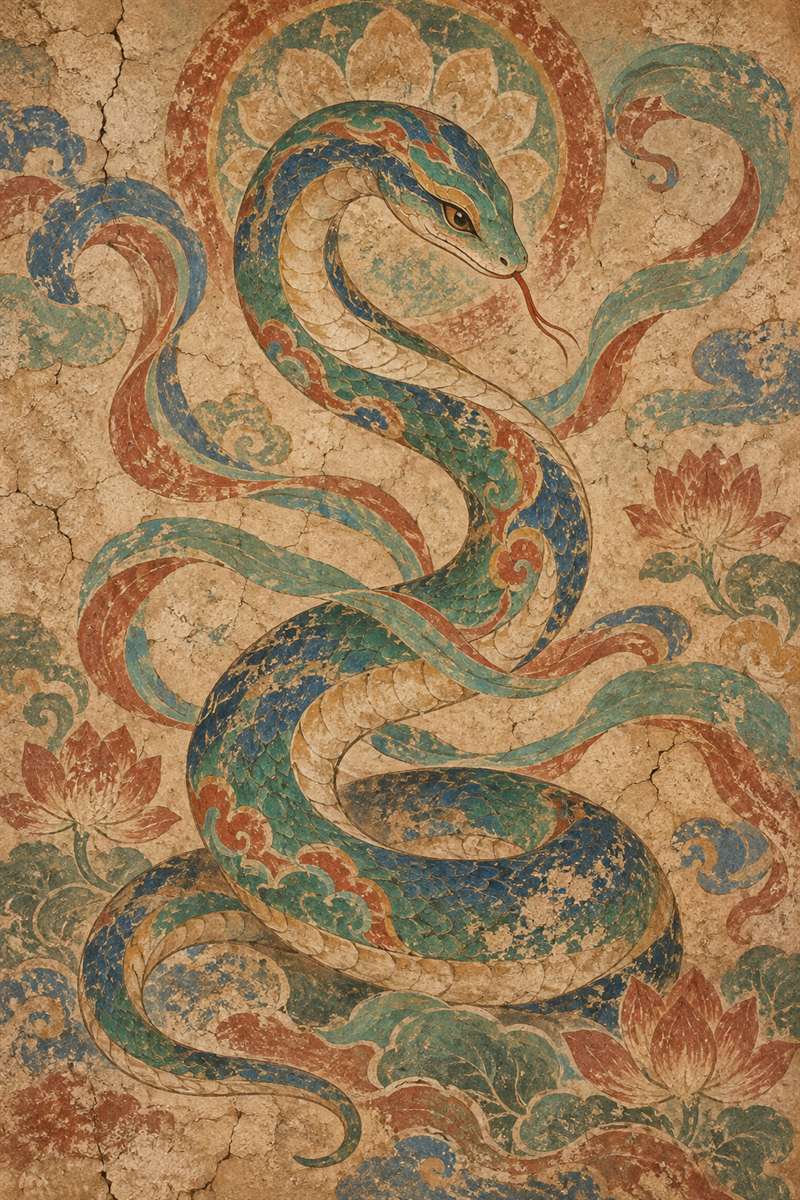
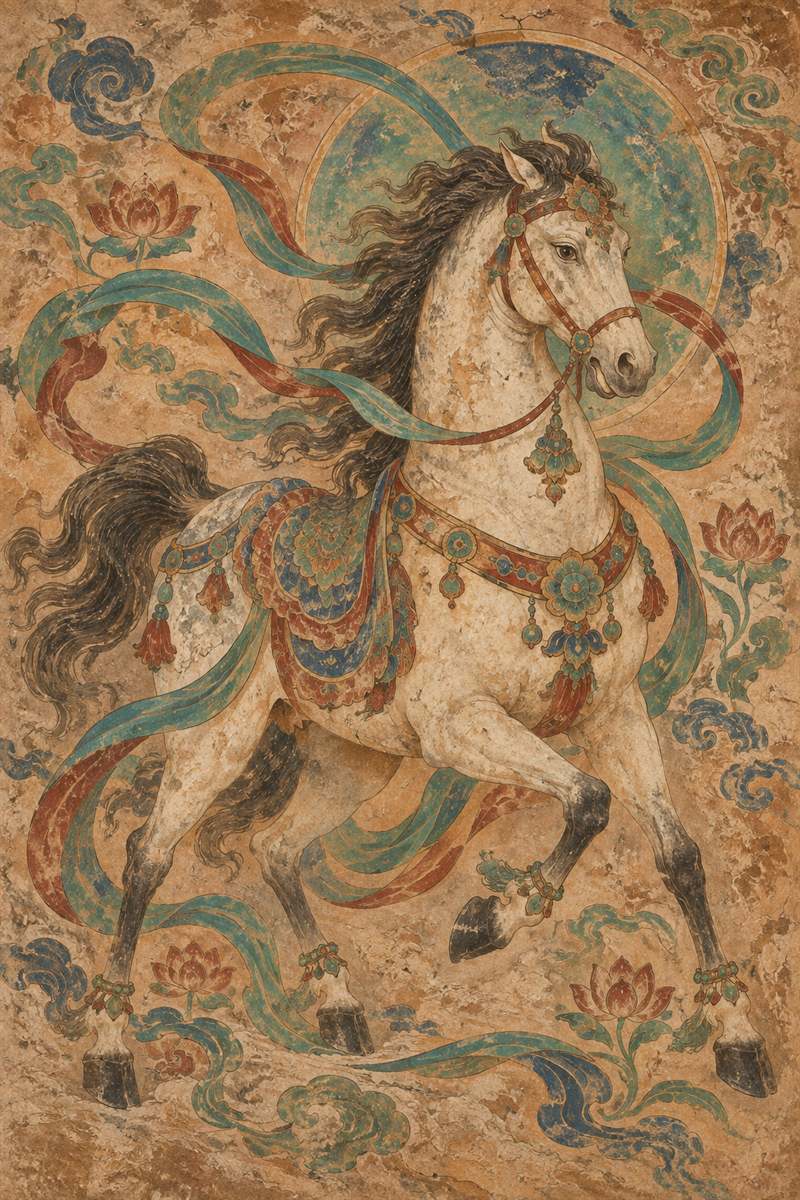
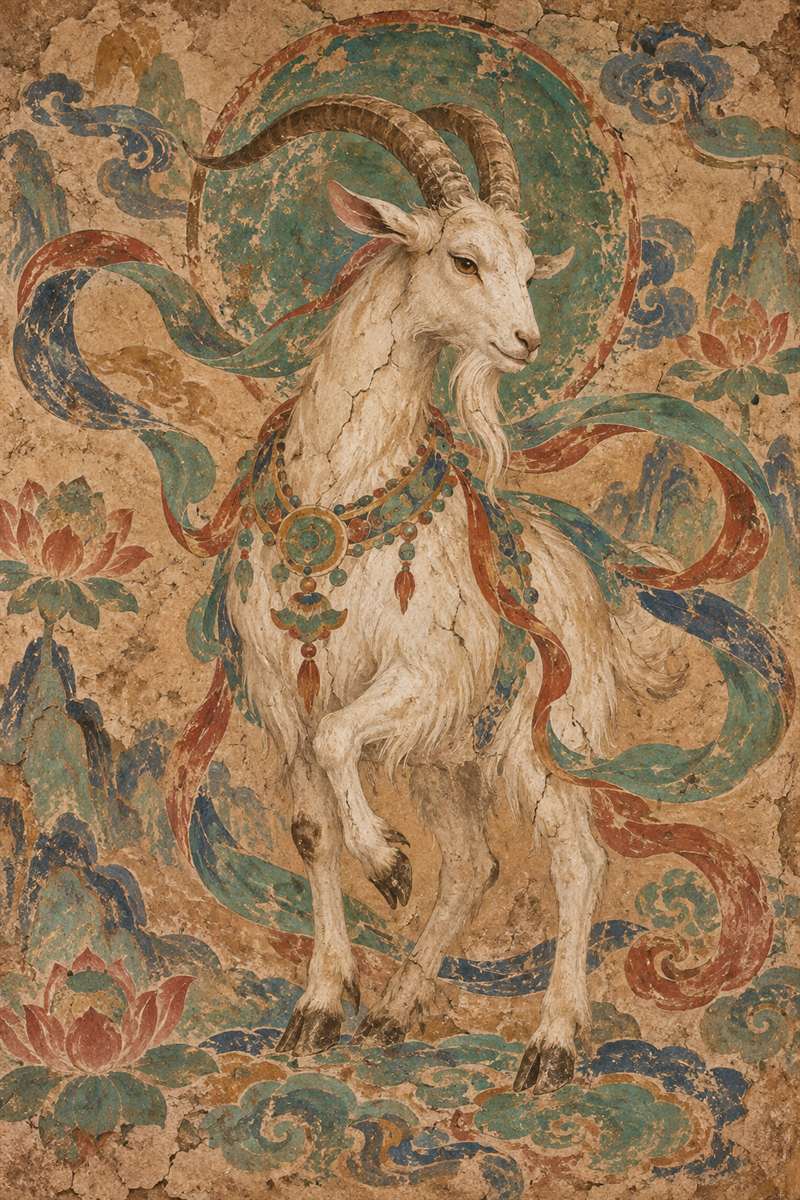
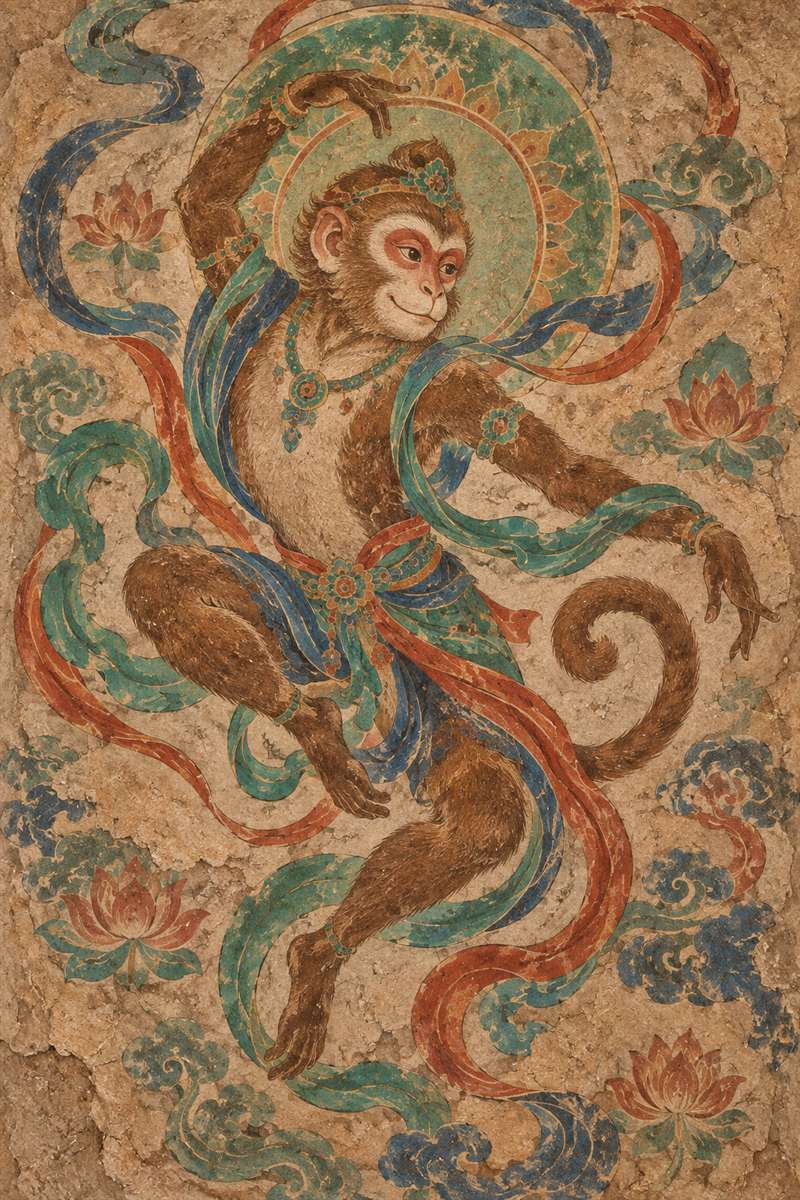
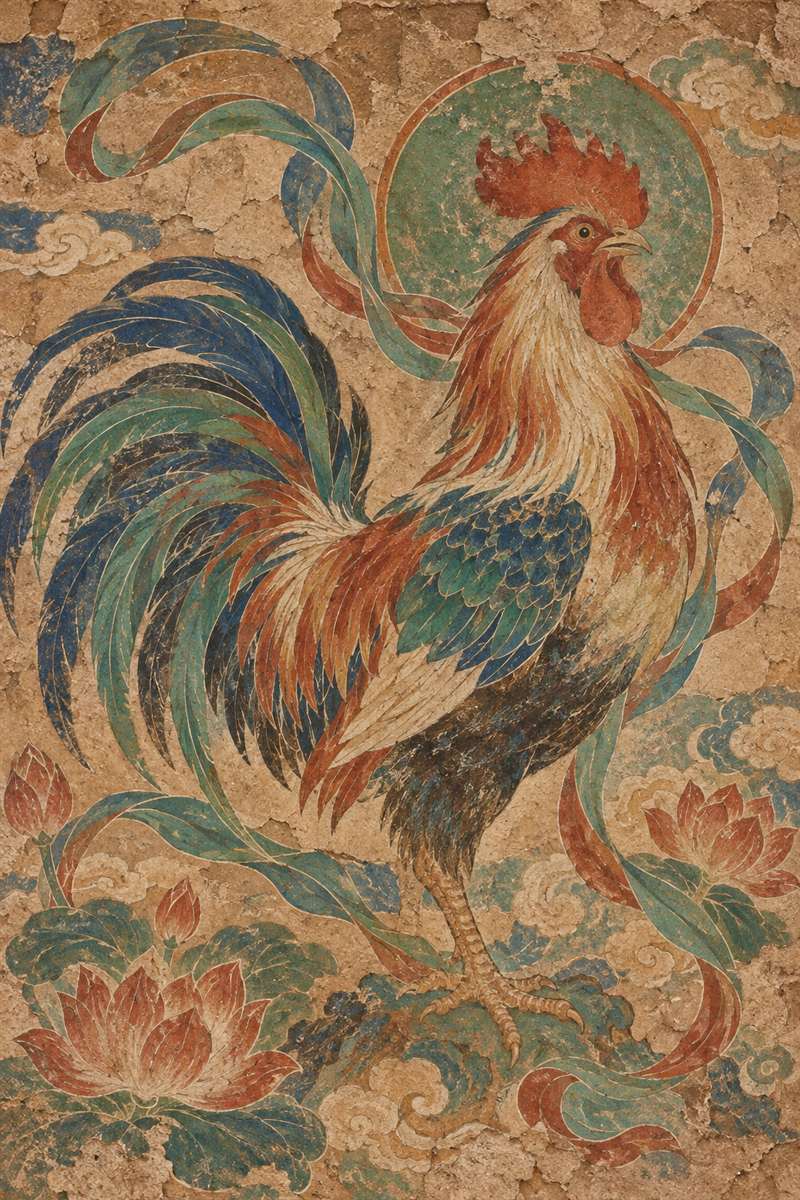
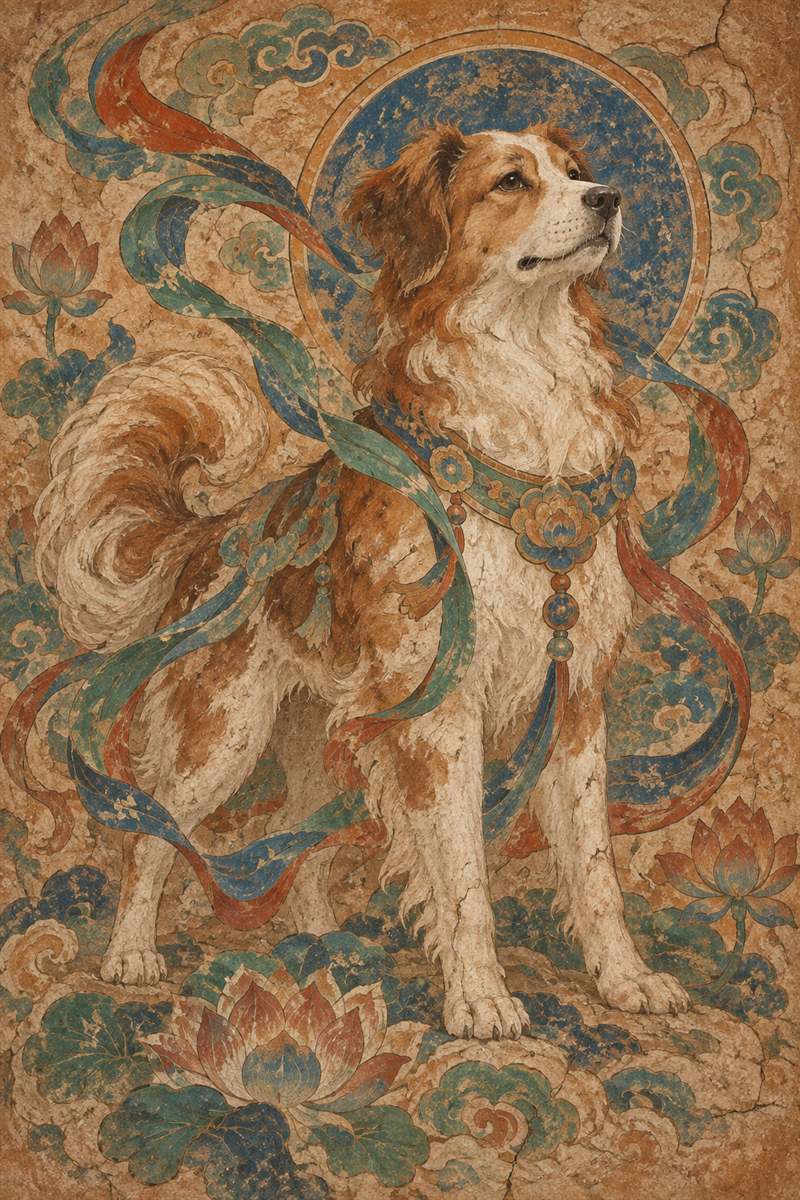
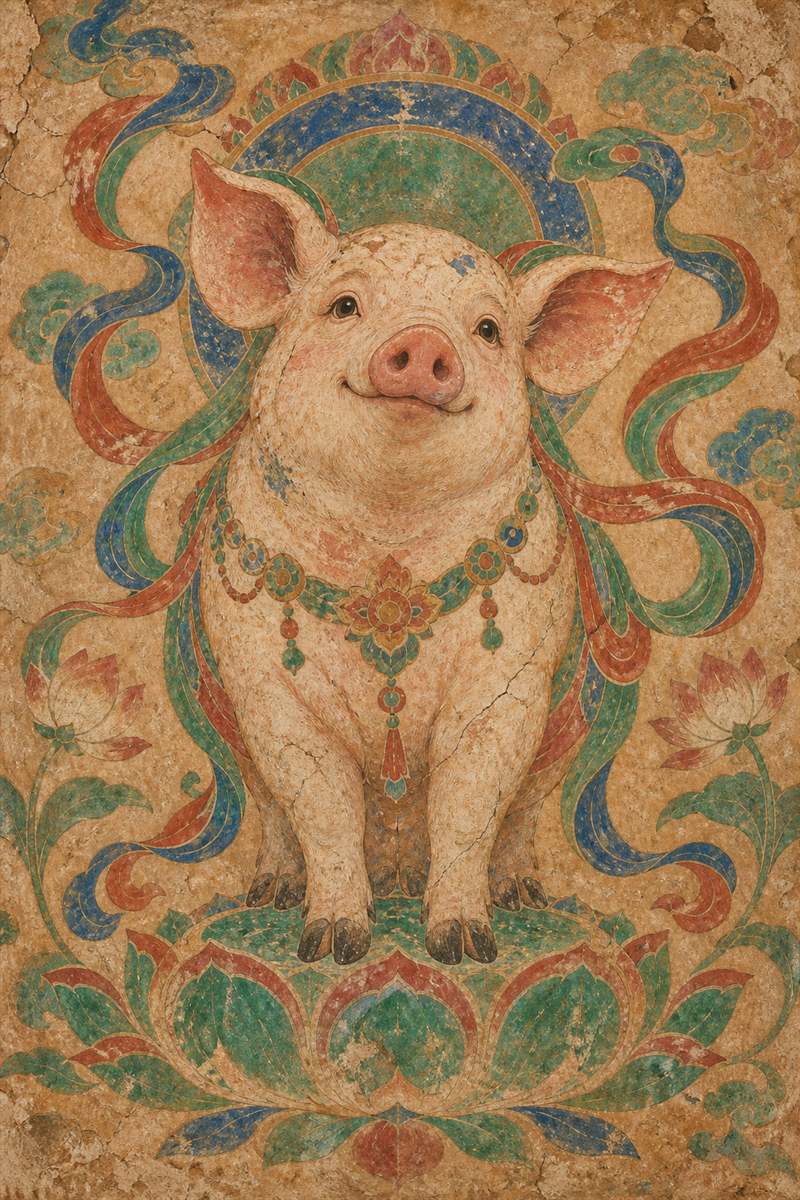
Dunhuang Mural
Traditional Chinese method
The wall paintings of the Mogao Caves at Dunhuang, painted over roughly a thousand years from the fourth century on: malachite green, azurite blue, ochre and vermilion ground from minerals, flying apsara ribbons, and the weathered sandstone surface underneath.
Best for: The richest, most textured set — best as a full-width image rather than a small thumbnail.
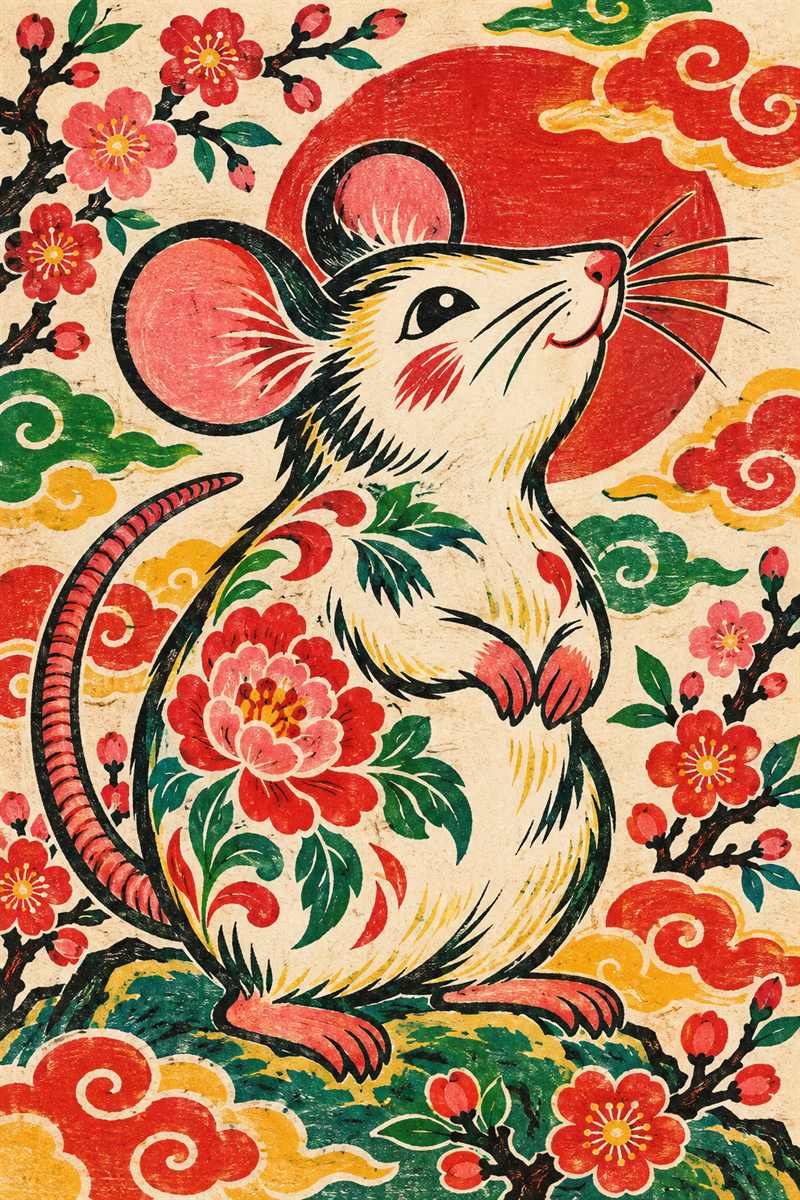
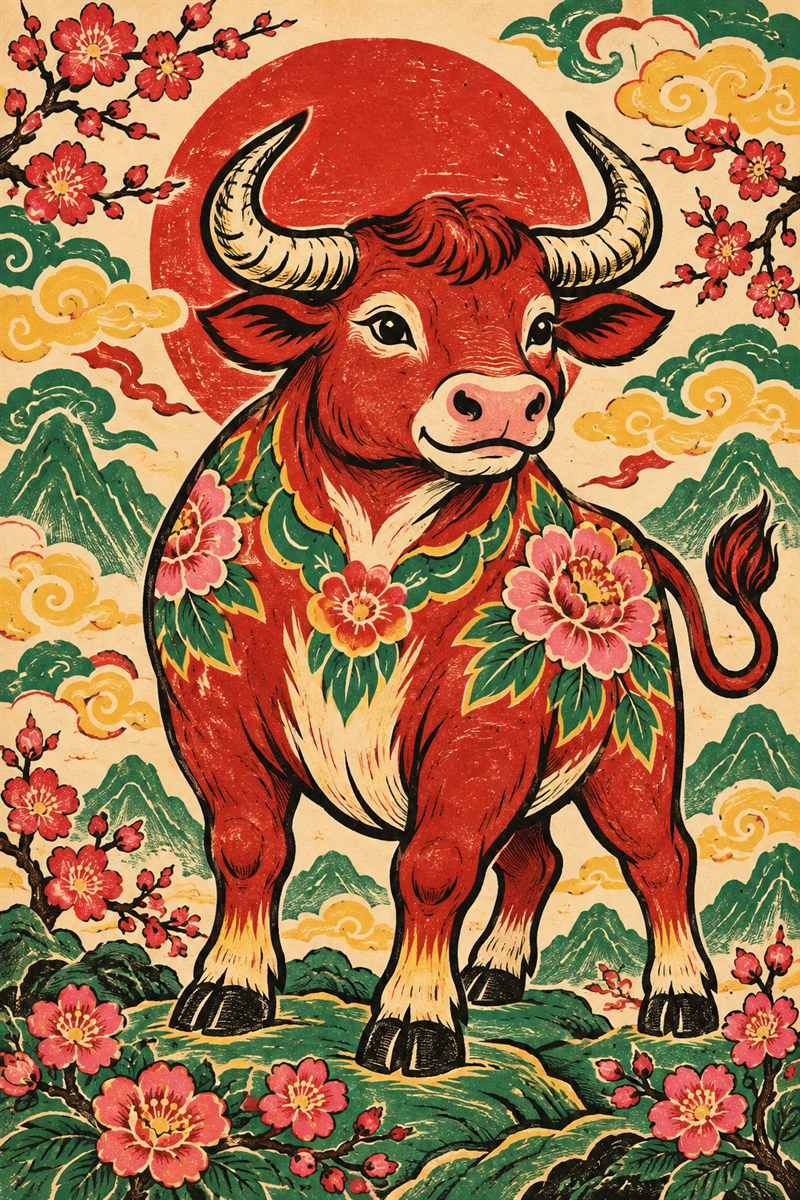
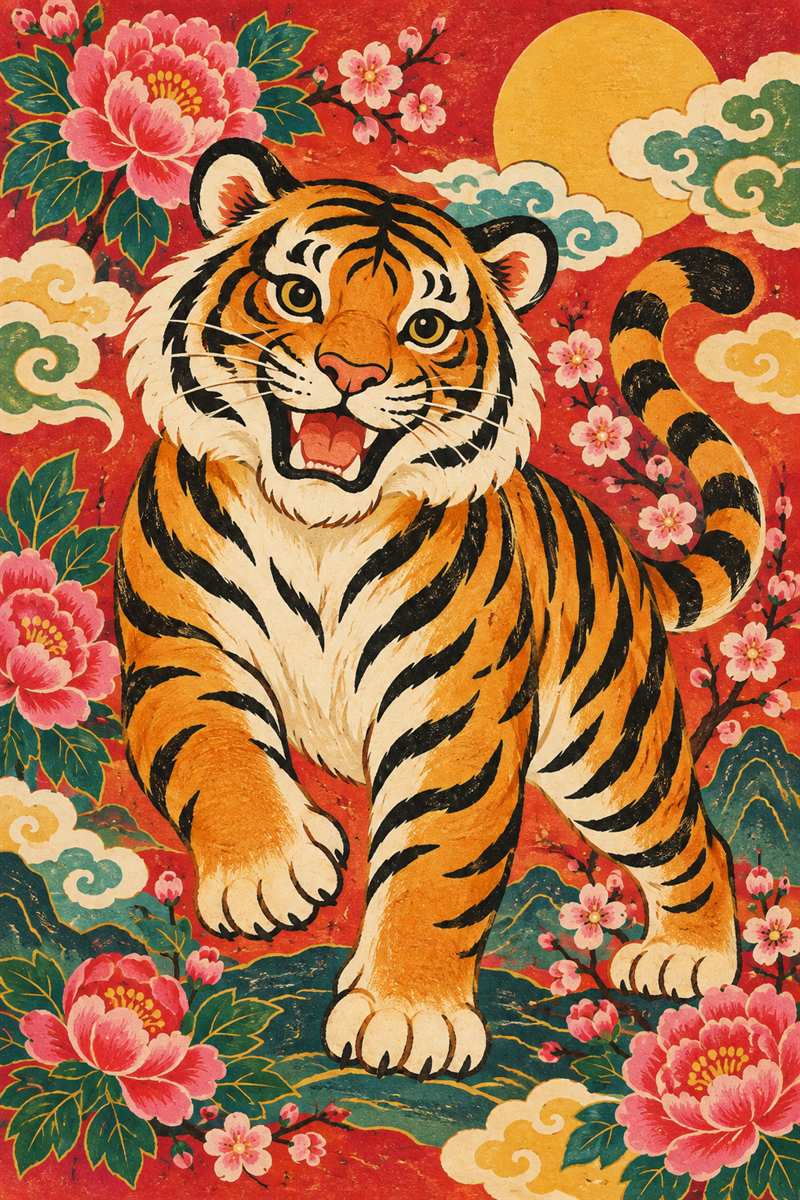
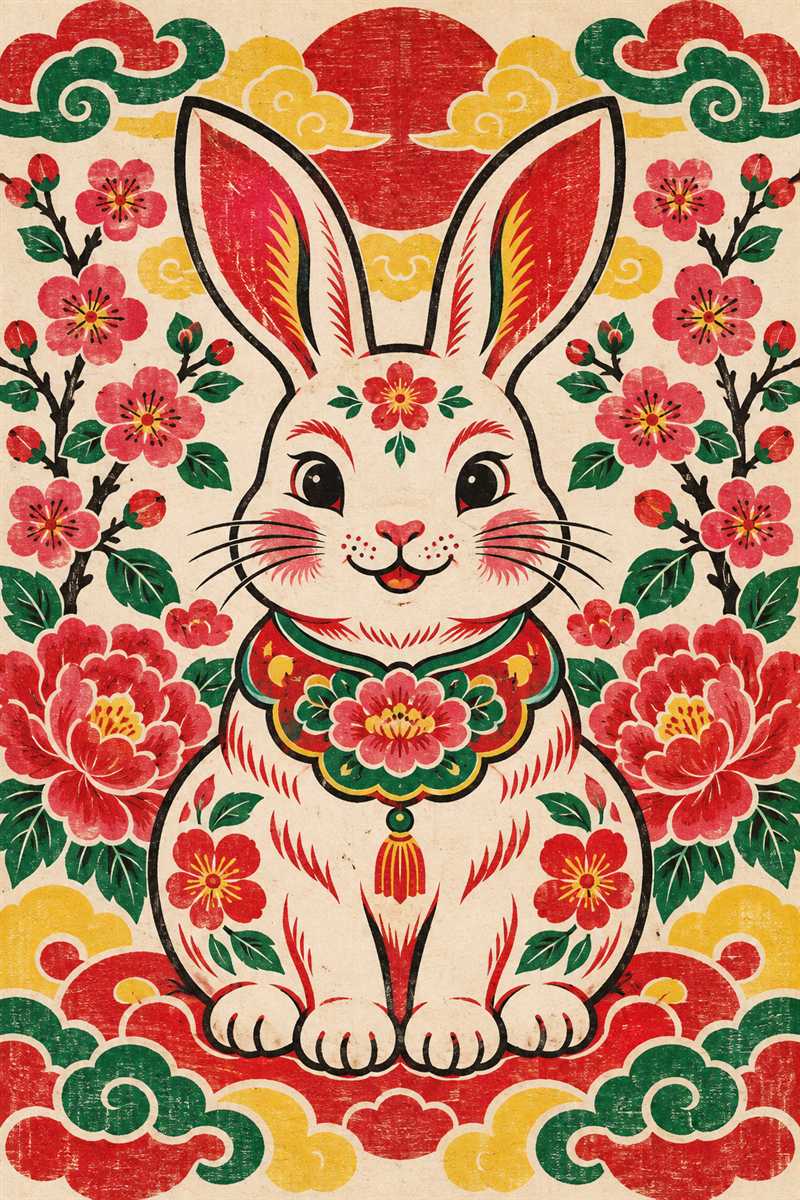
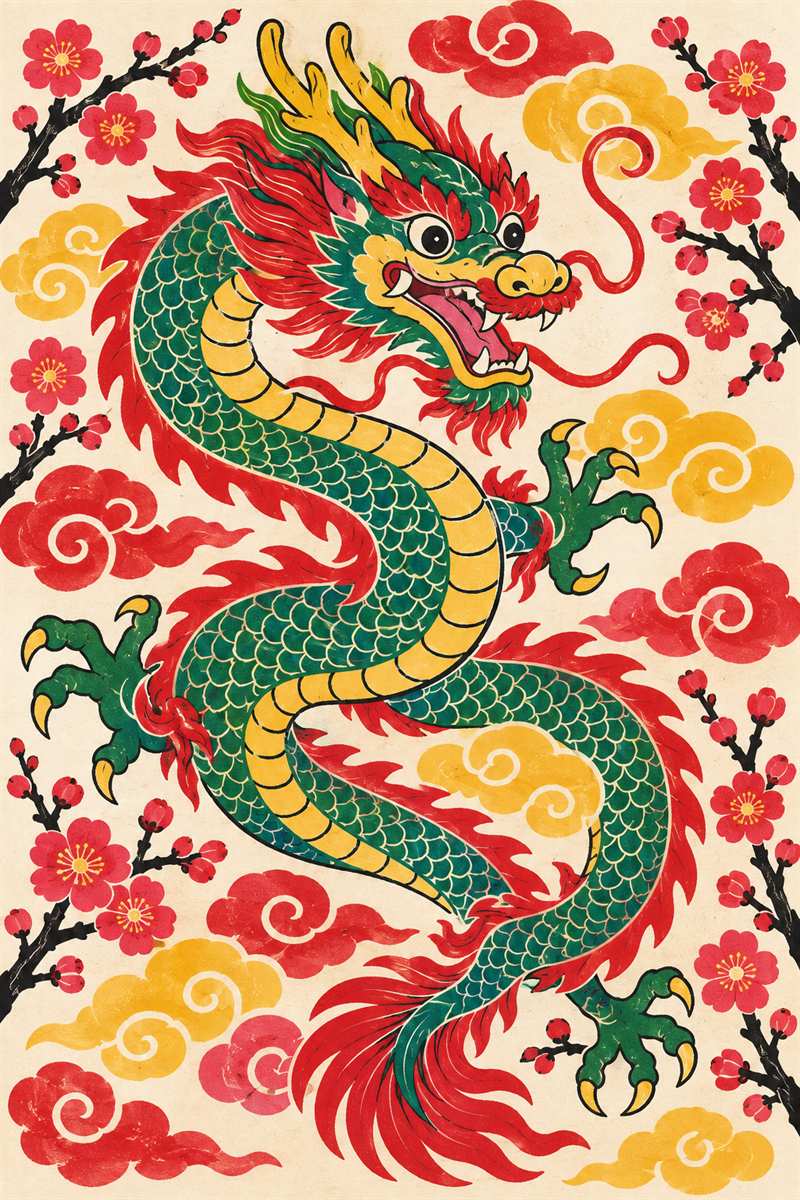
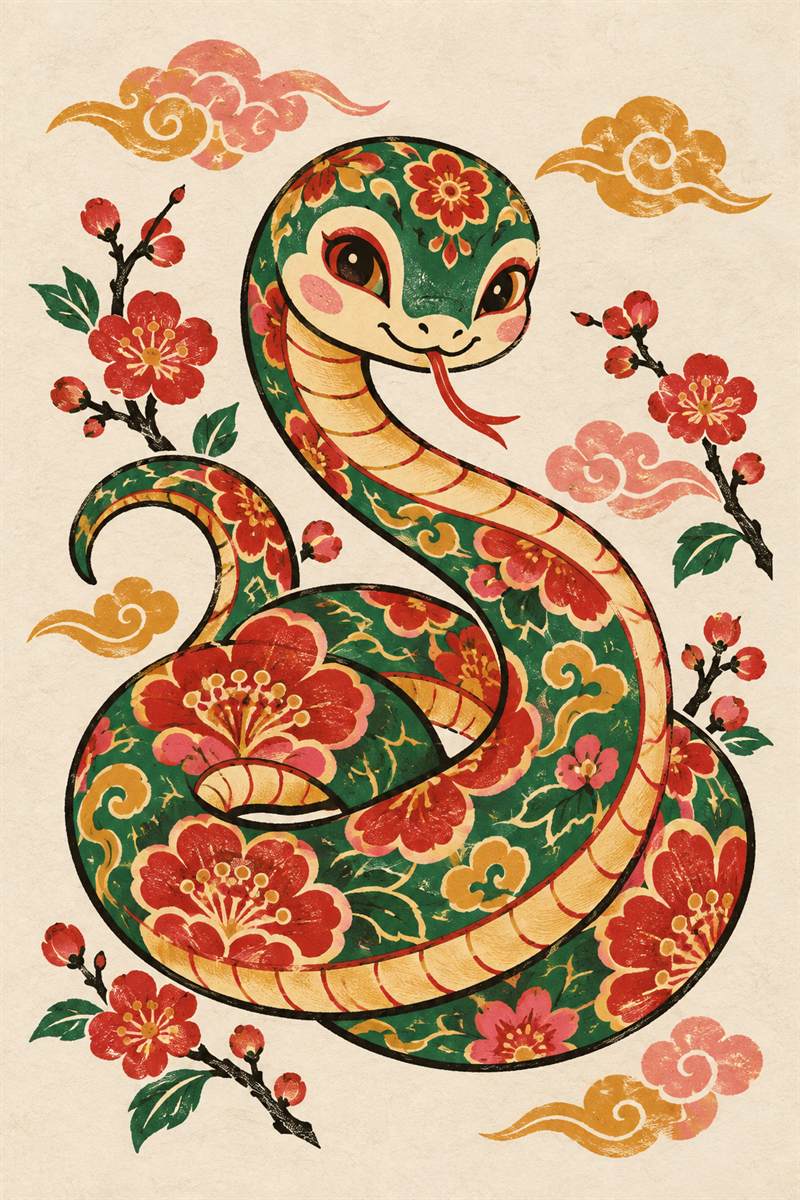
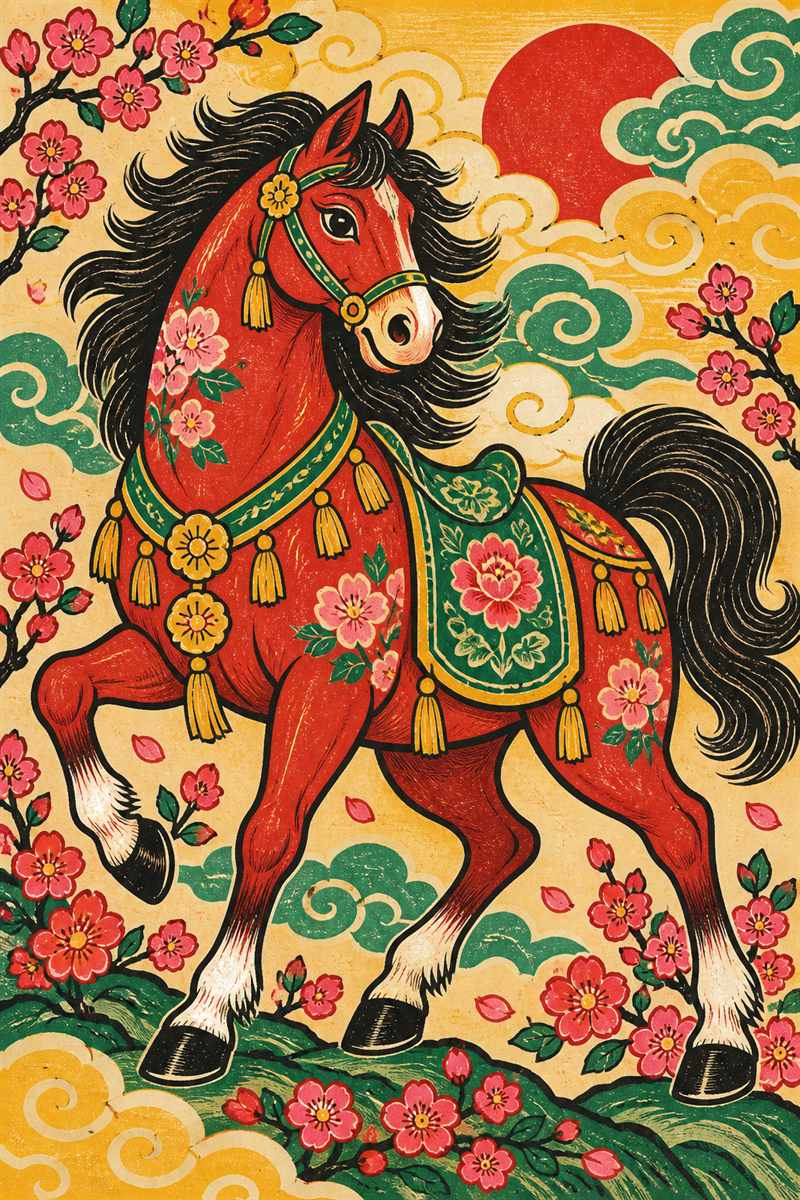
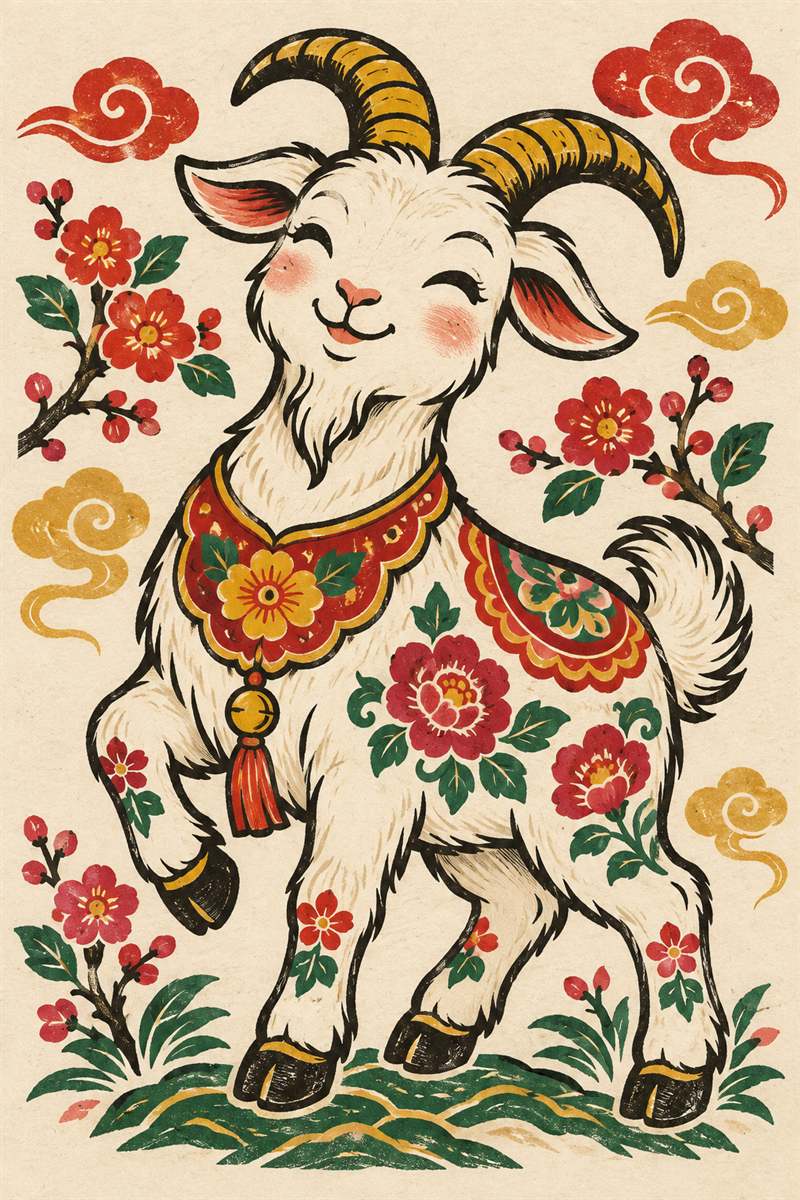
New Year Woodblock
Traditional Chinese method
Nianhua (年画), the woodblock prints pasted up at New Year by workshops such as Yangliuqing and Taohuawu: heavy black key-block outlines with flat red, green, yellow and pink printed inside them, plus auspicious clouds and blossoms.
Best for: Bold, cheerful pins; the folk-print look travels further outside China than most people expect.
Gold Line Celestial
Modern illustration style
A contemporary treatment, not a historical school: thin gold line art on midnight navy with constellation dots, borrowing the visual language Western astrology illustration has used since the 1970s.
Best for: Astrology and horoscope boards, where a navy-and-gold card is the house style.
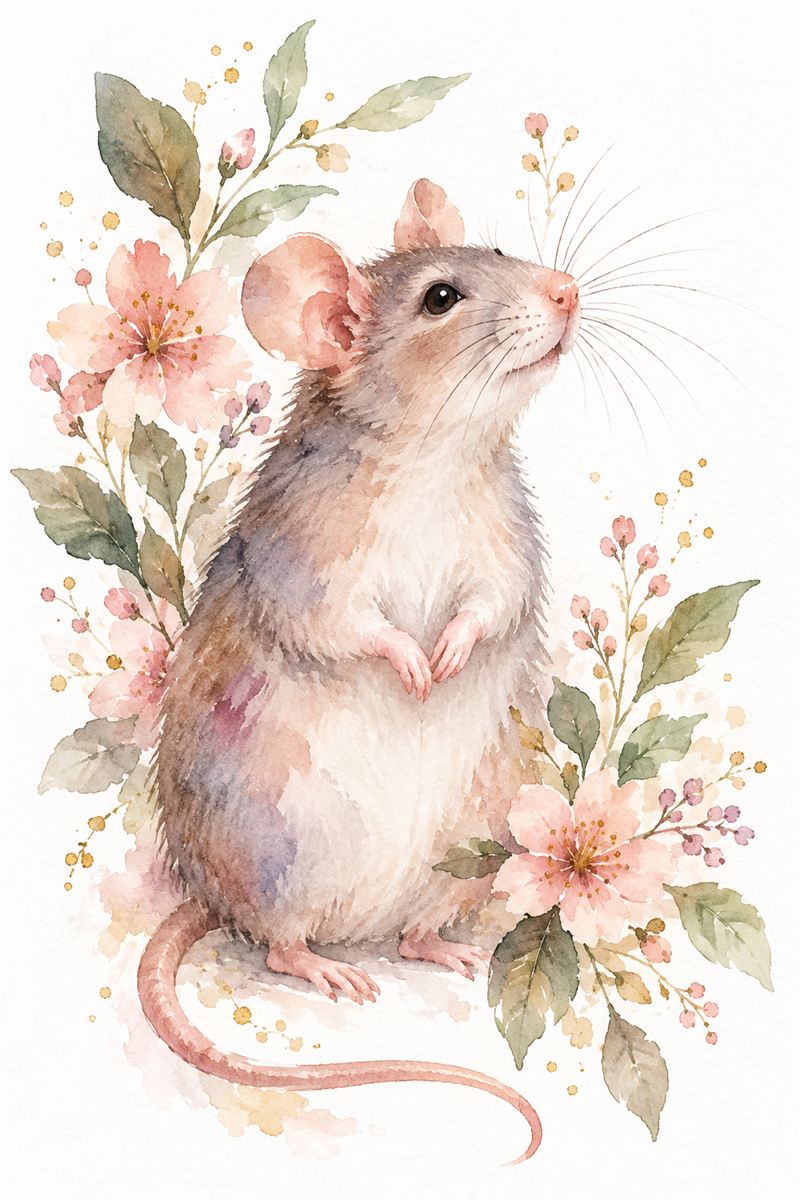
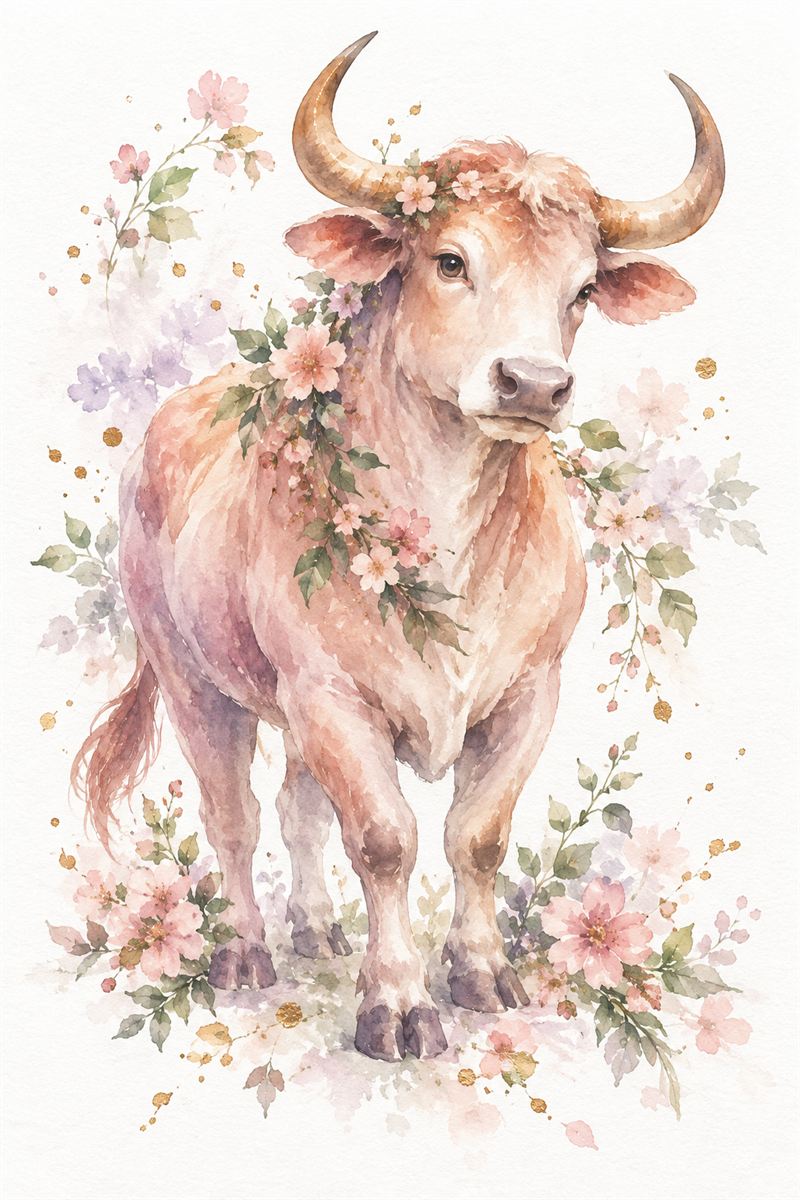
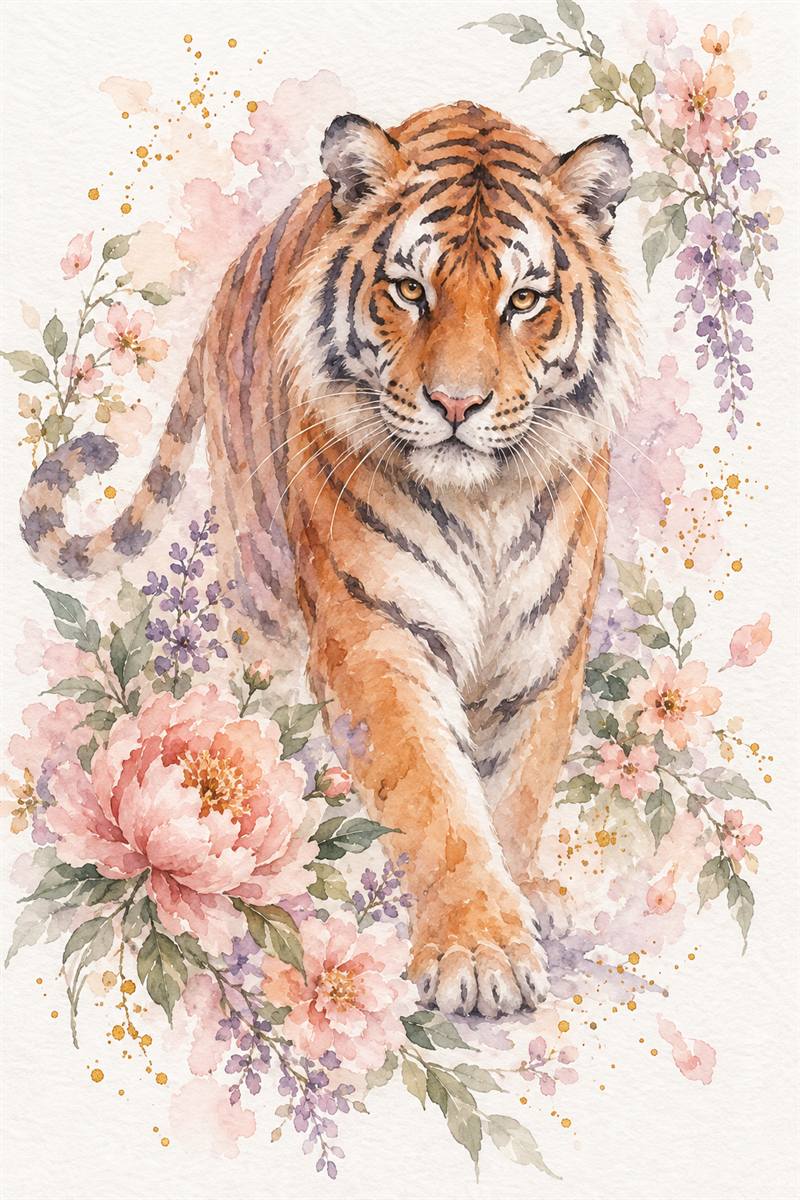
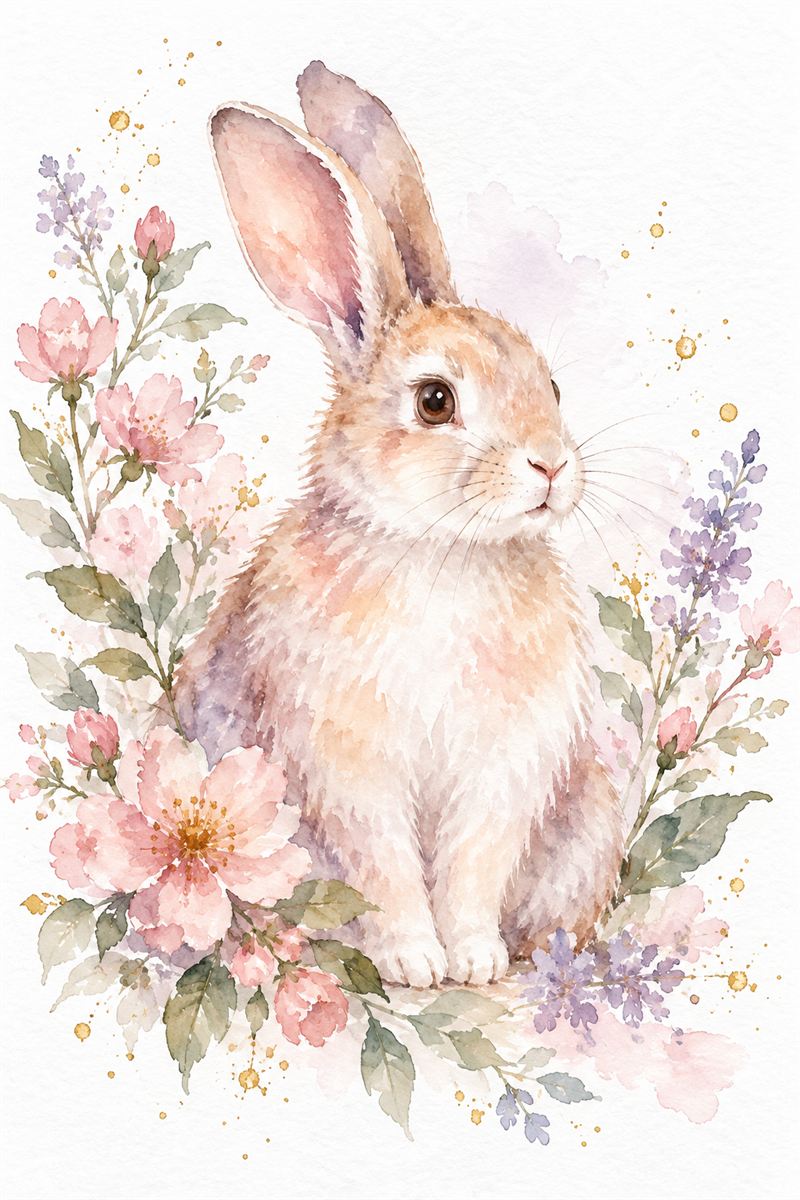
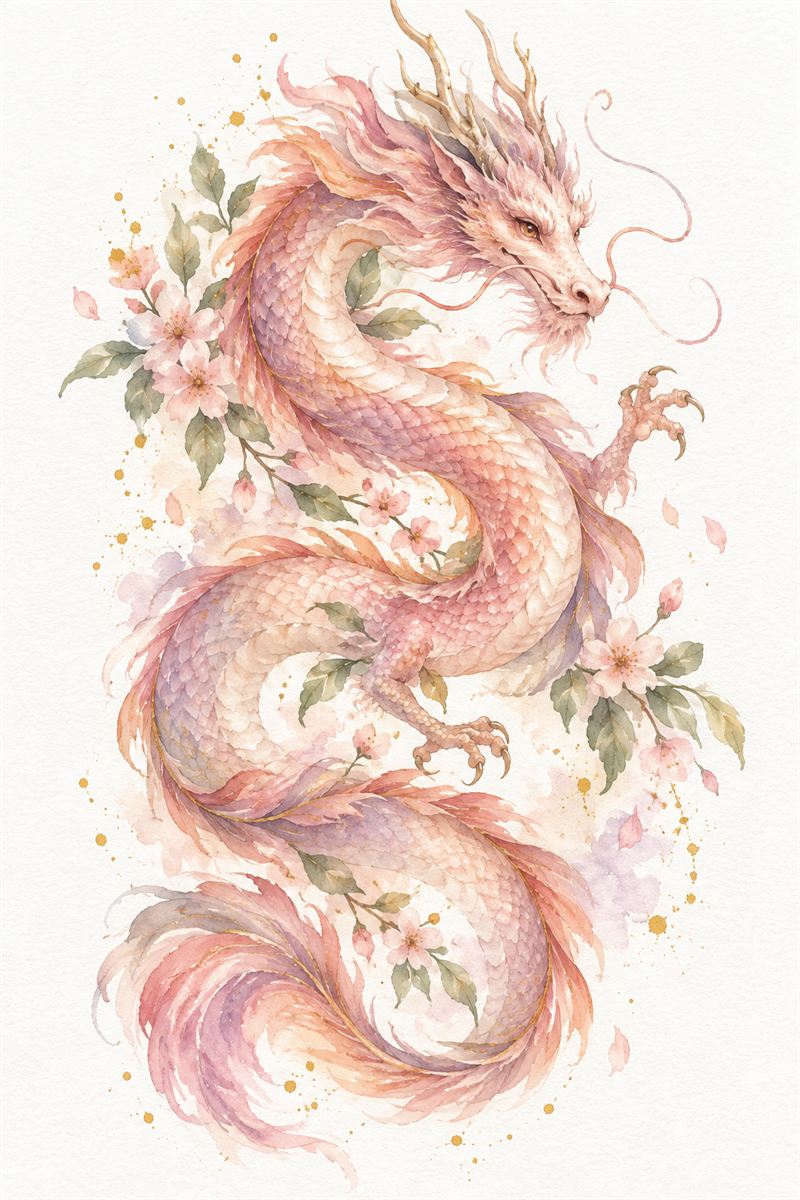
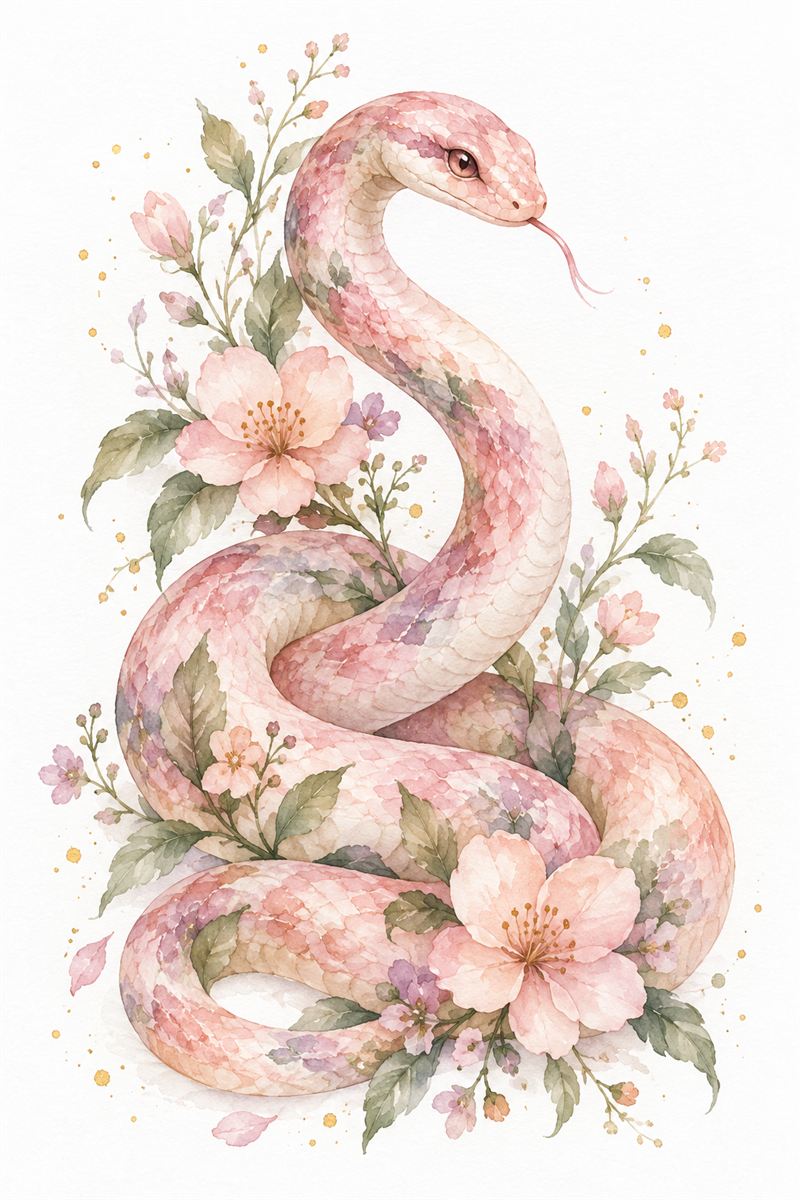
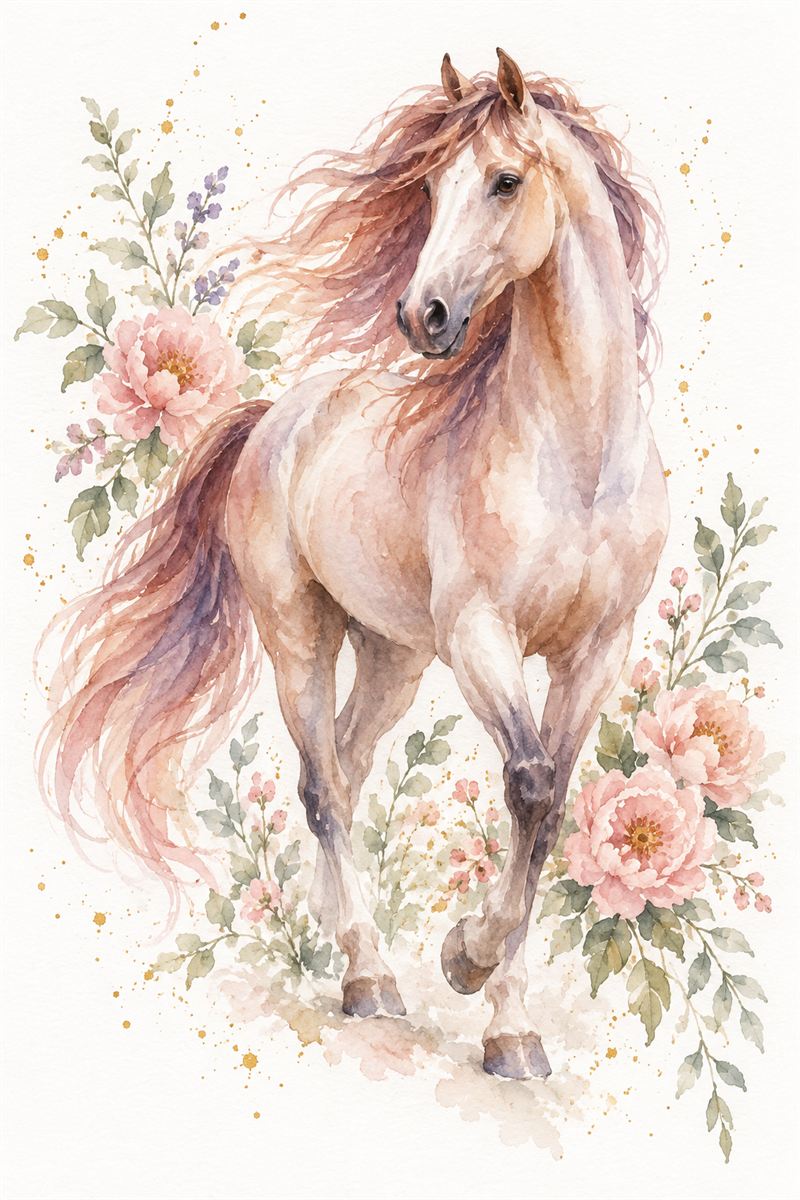
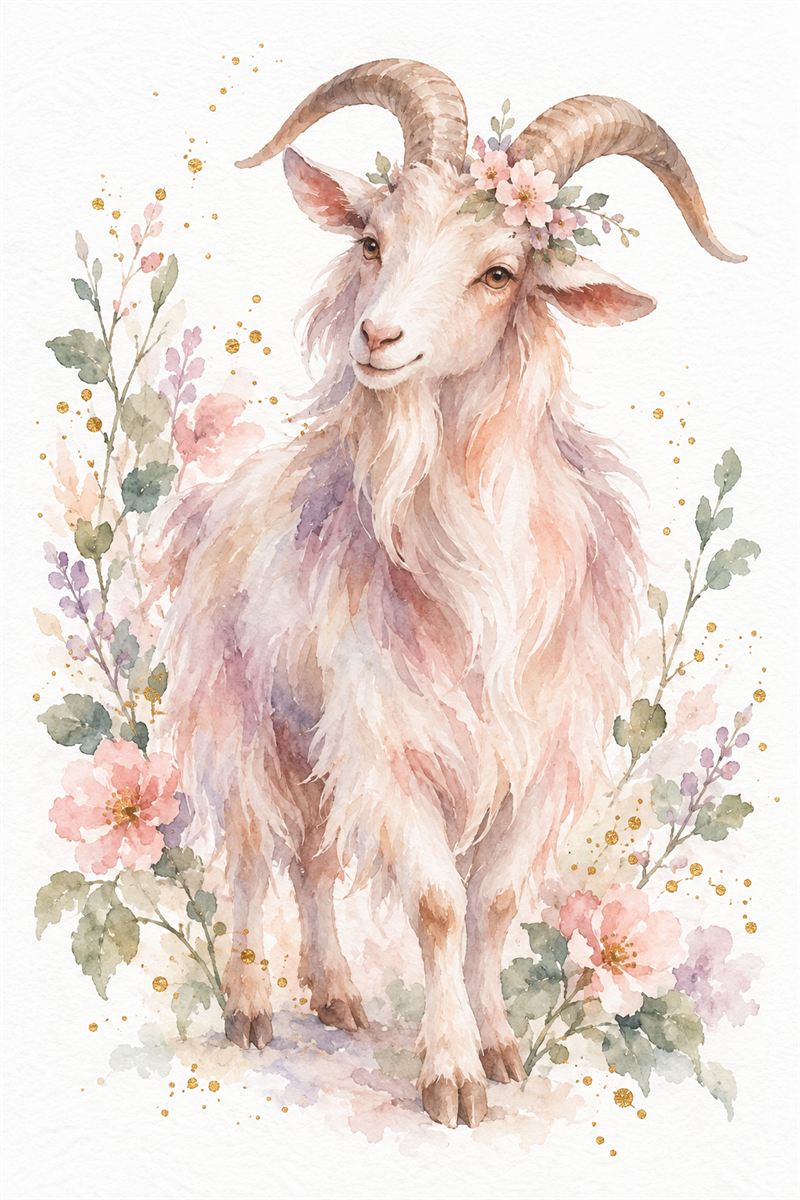
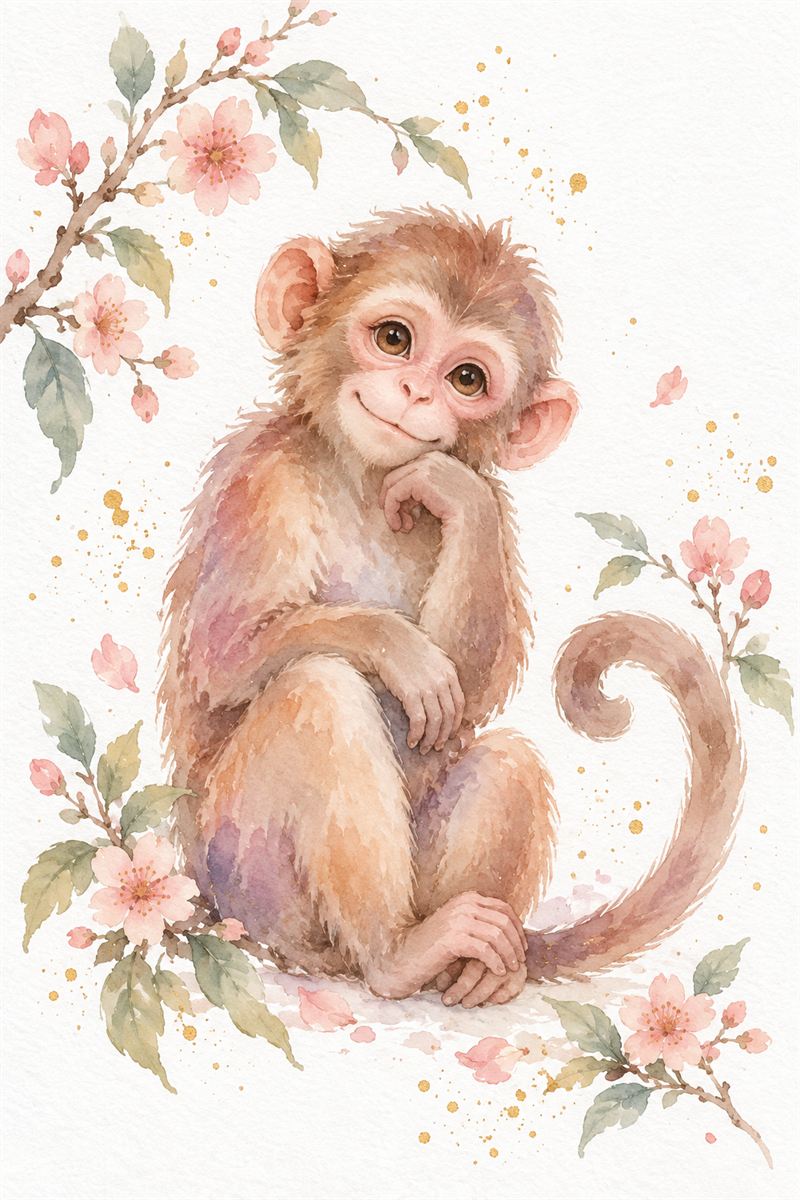
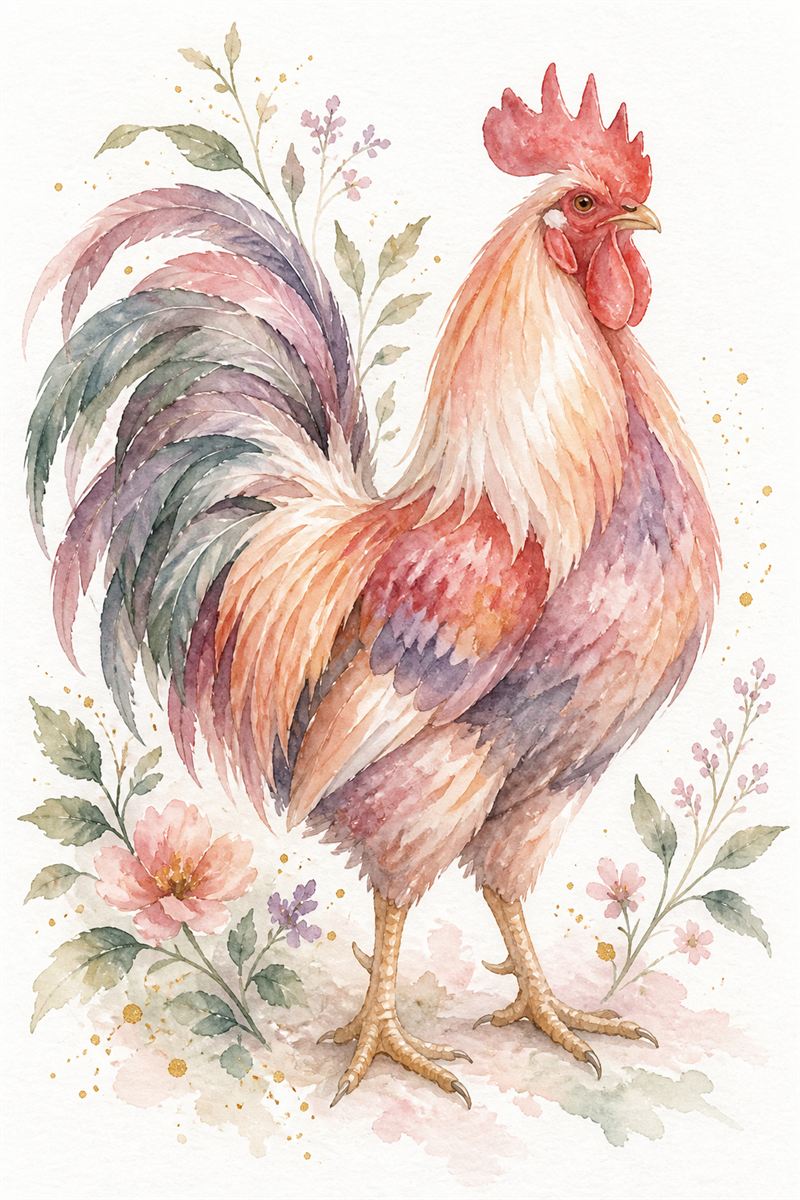
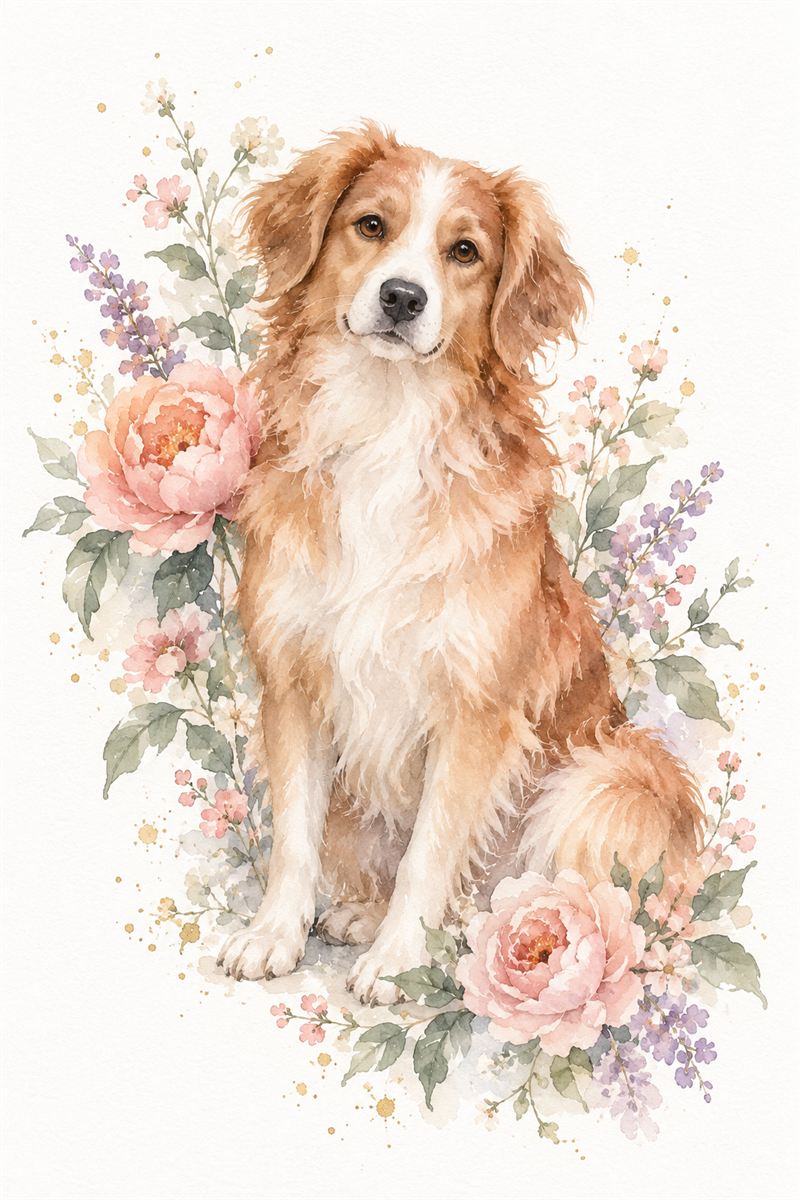
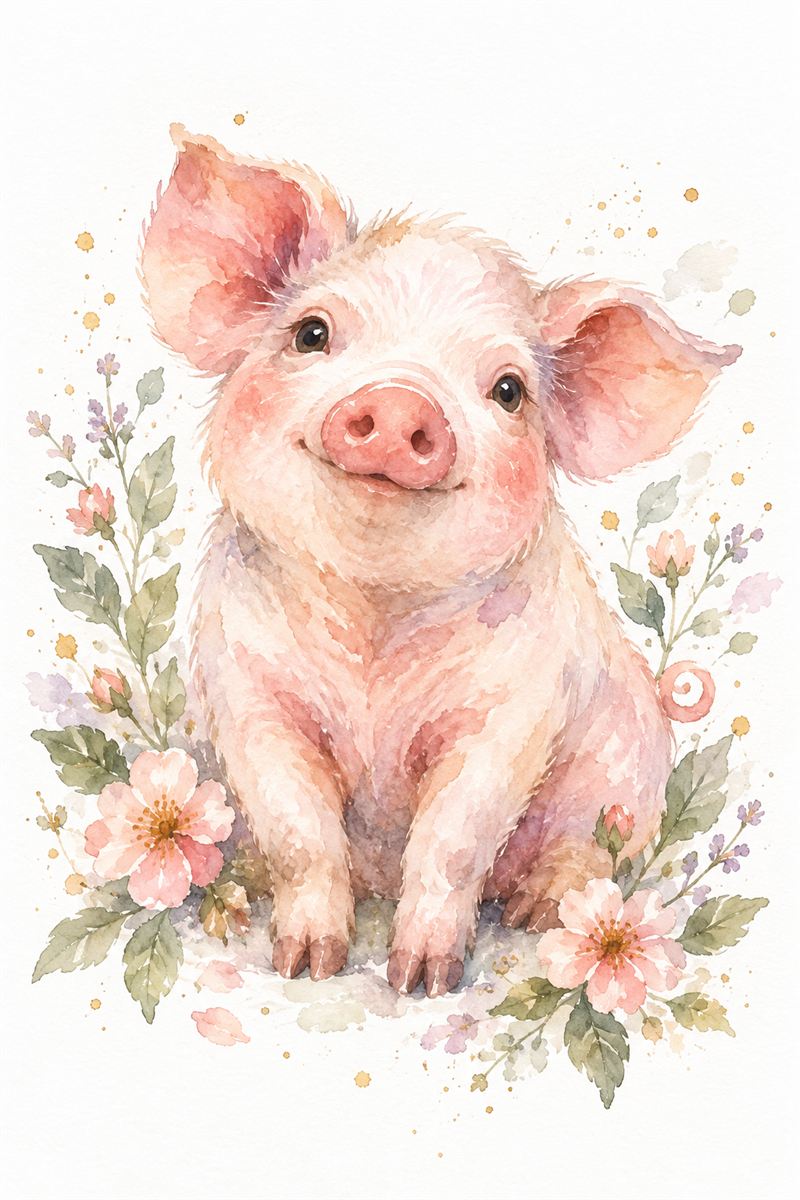
Watercolour
Modern illustration style
Modern Western watercolour: loose wet washes in rose, peach, lavender and sage on white paper, with botanical detail and light gold splatter. No Chinese precedent — it is here because it is the softest of the ten.
Best for: Nursery prints, wedding and birth-year gifts, and anything that needs to look gentle.
Flat Vector
Modern illustration style
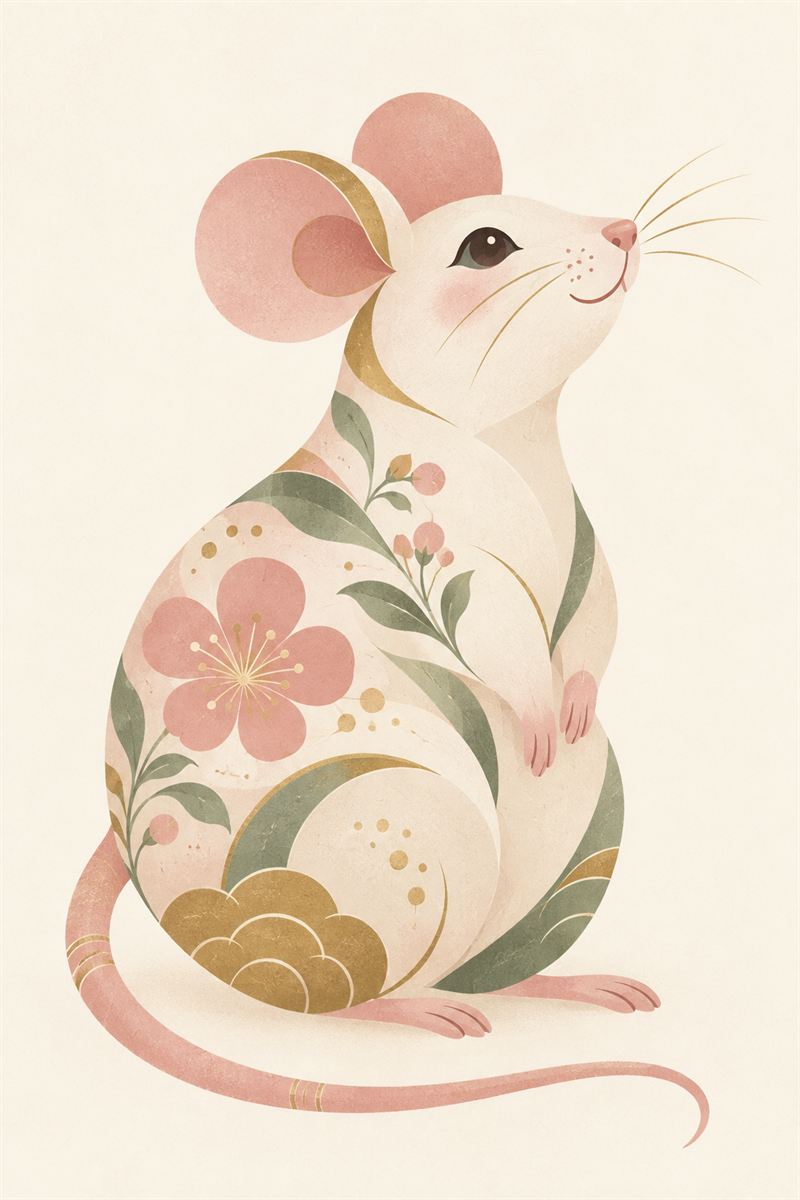
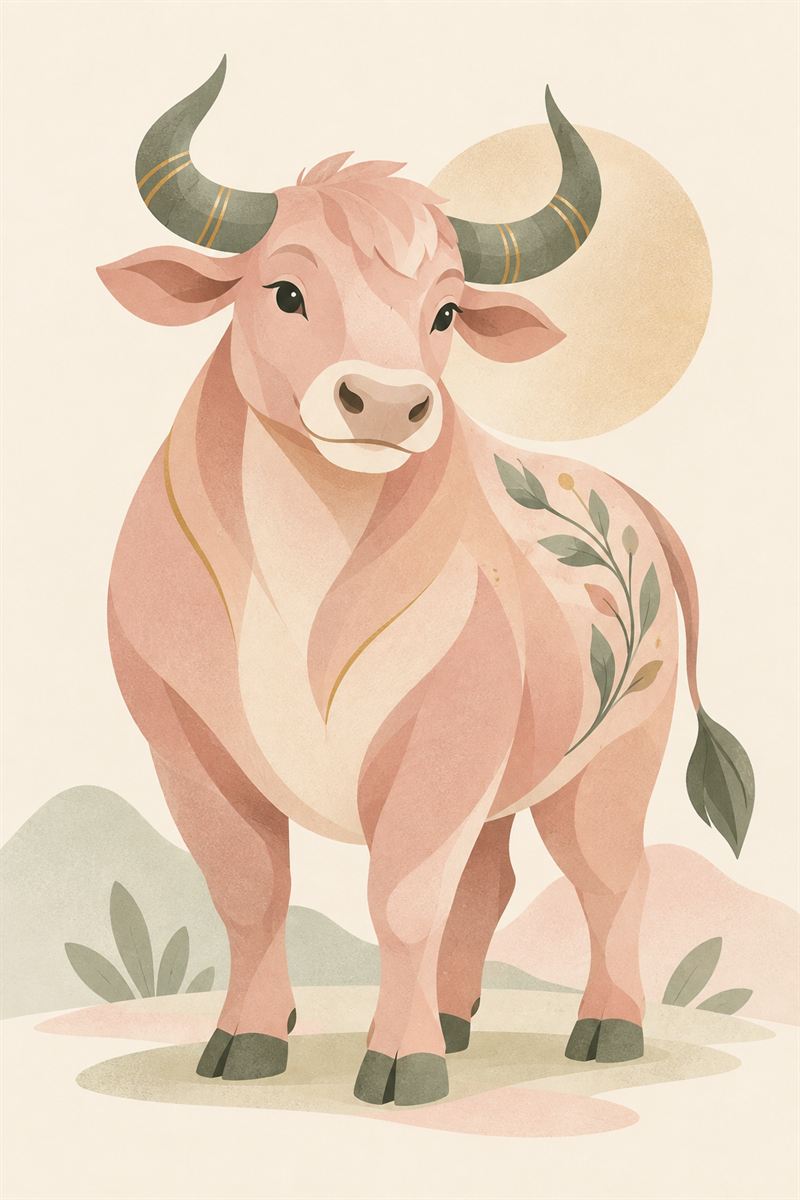
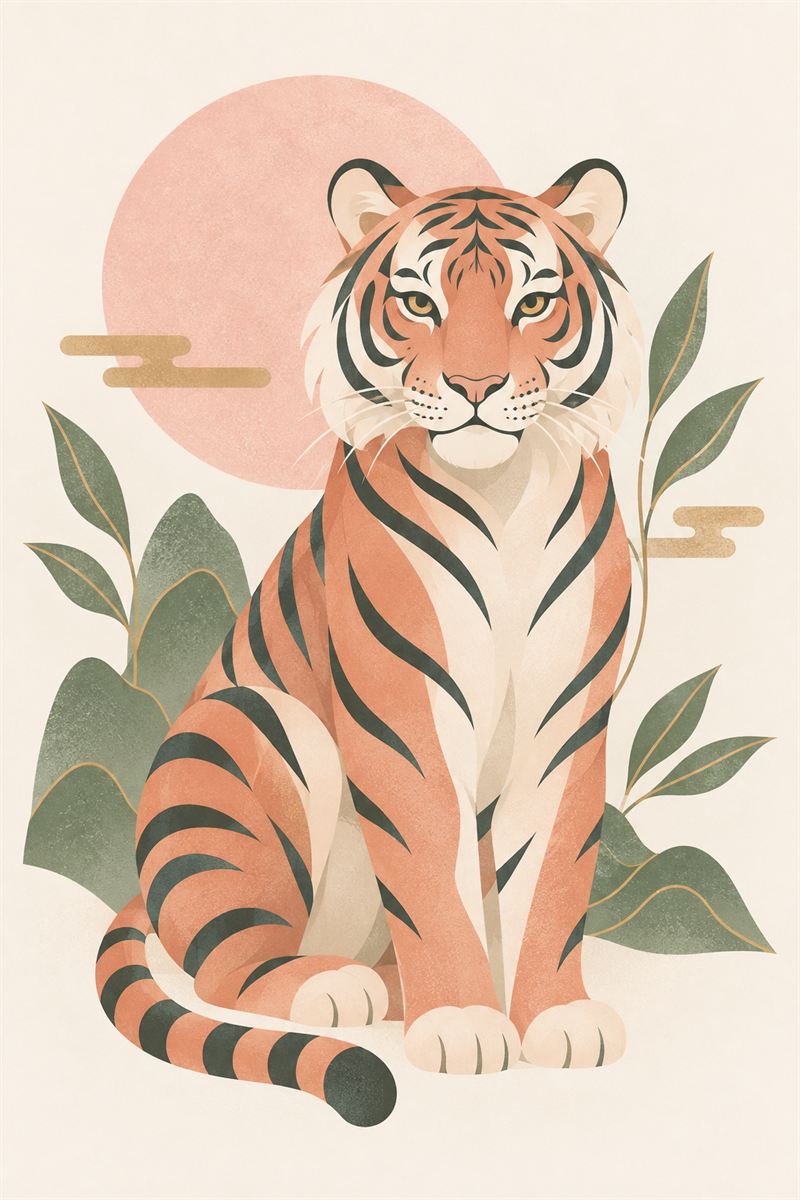
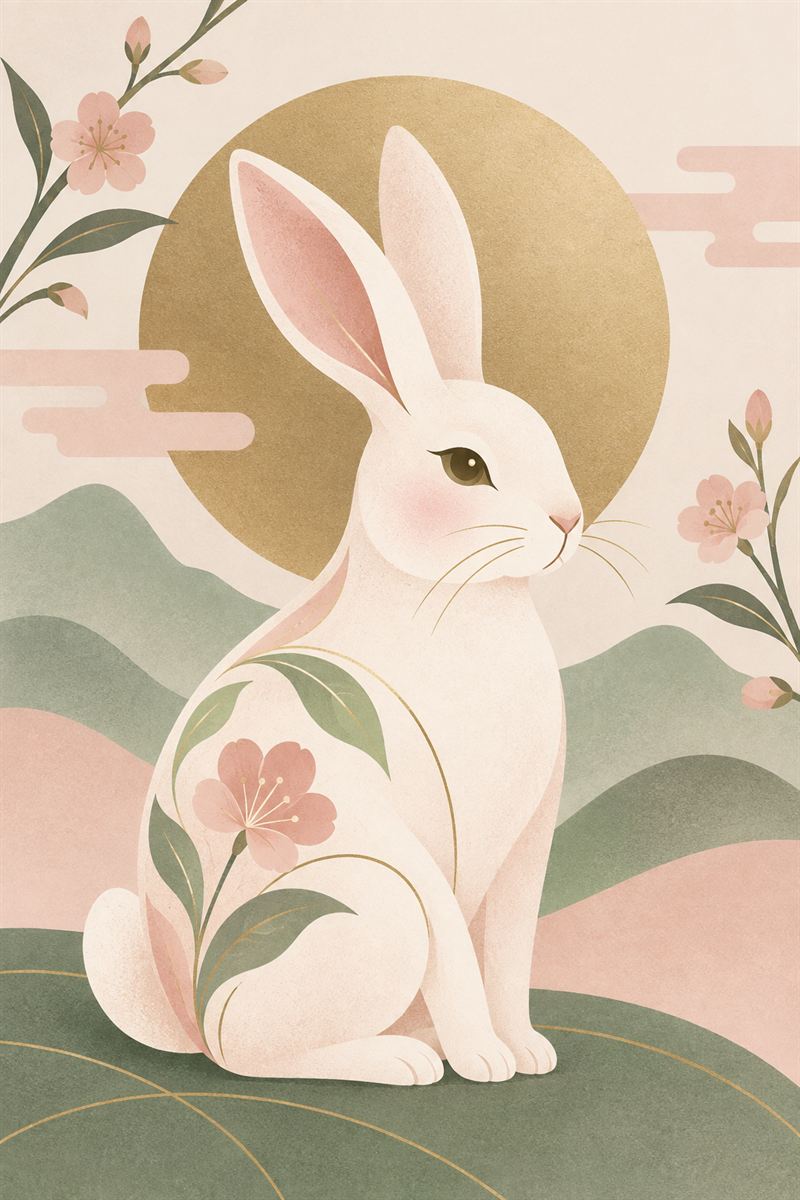
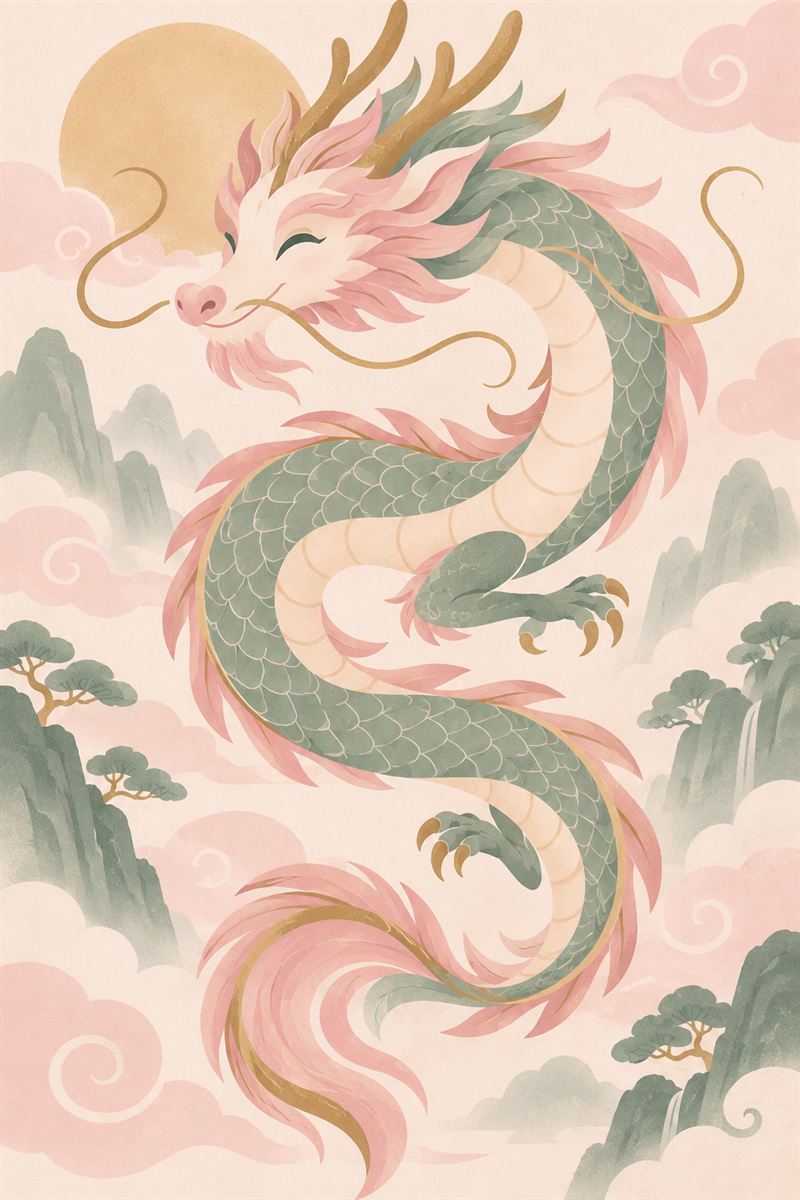
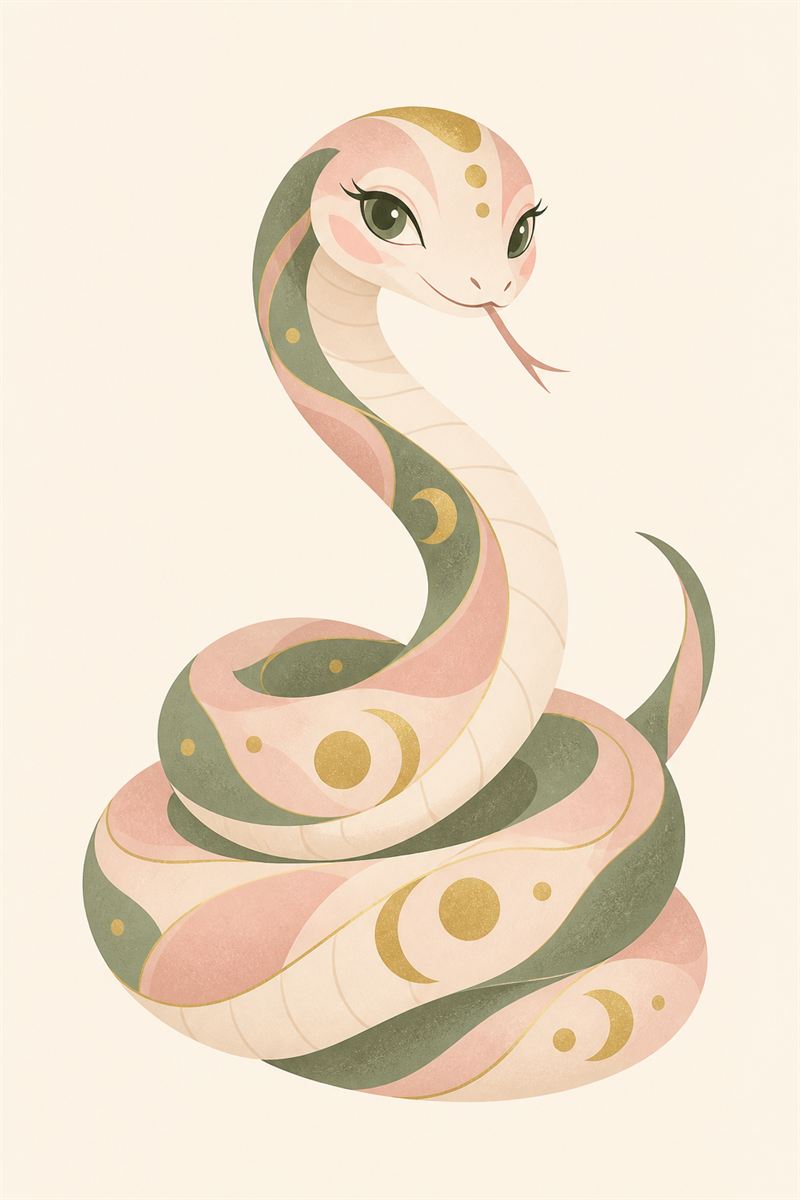
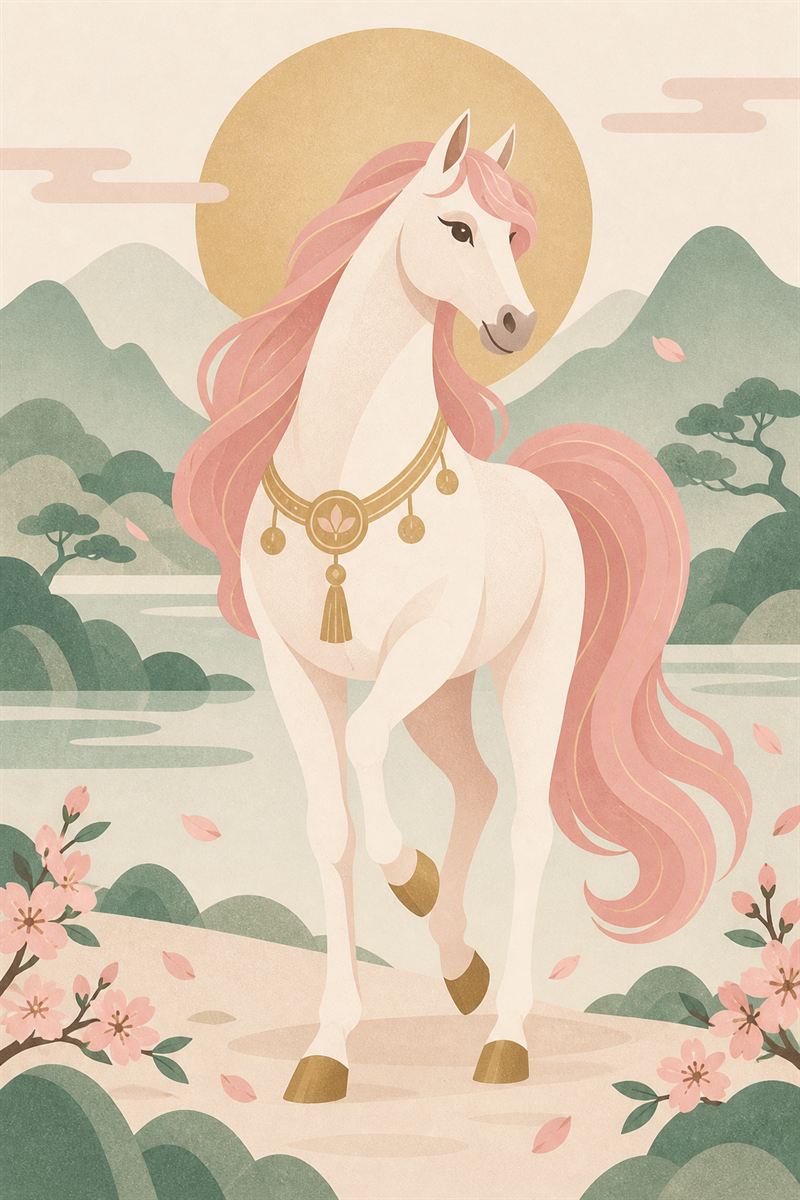
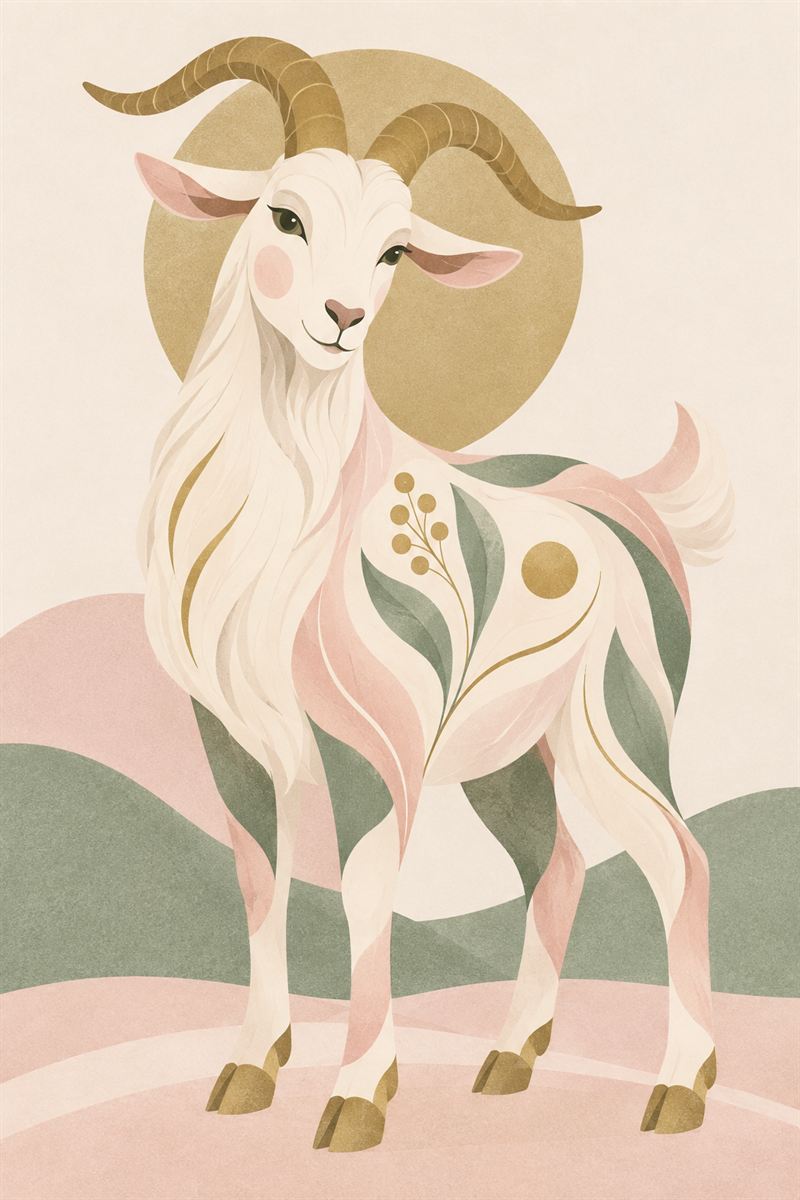
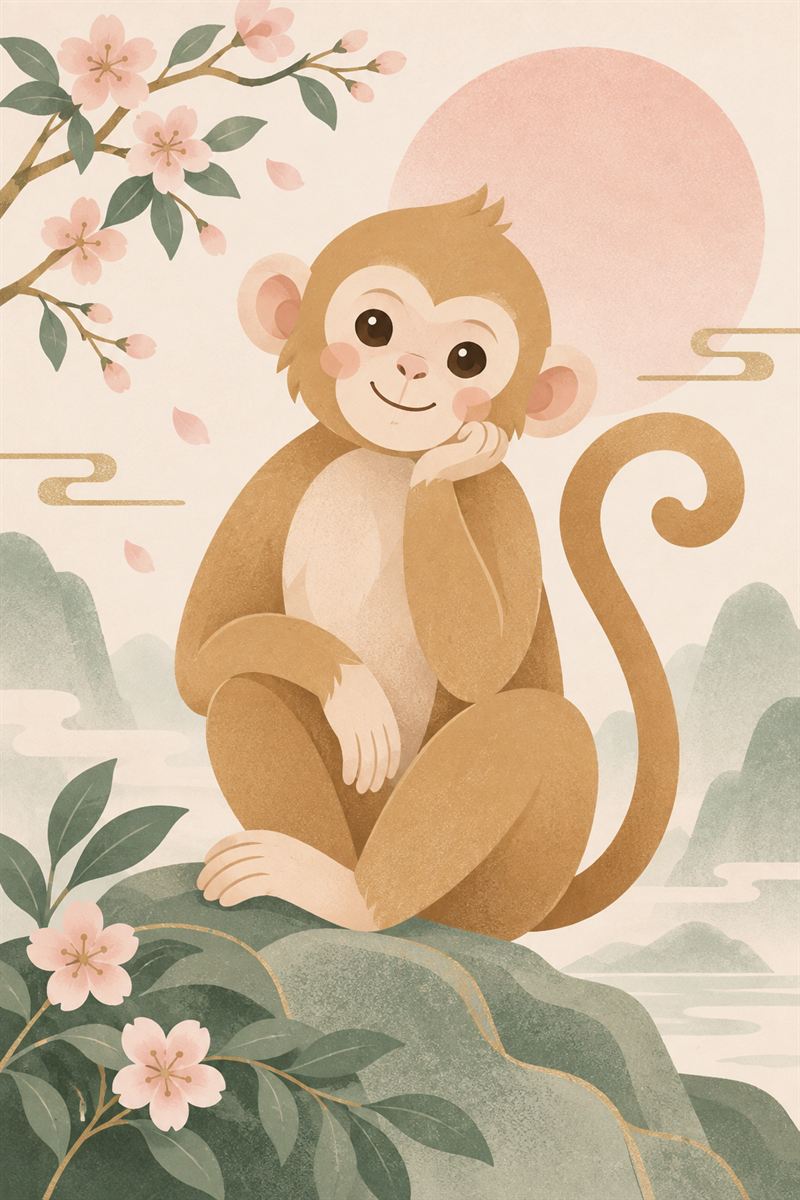
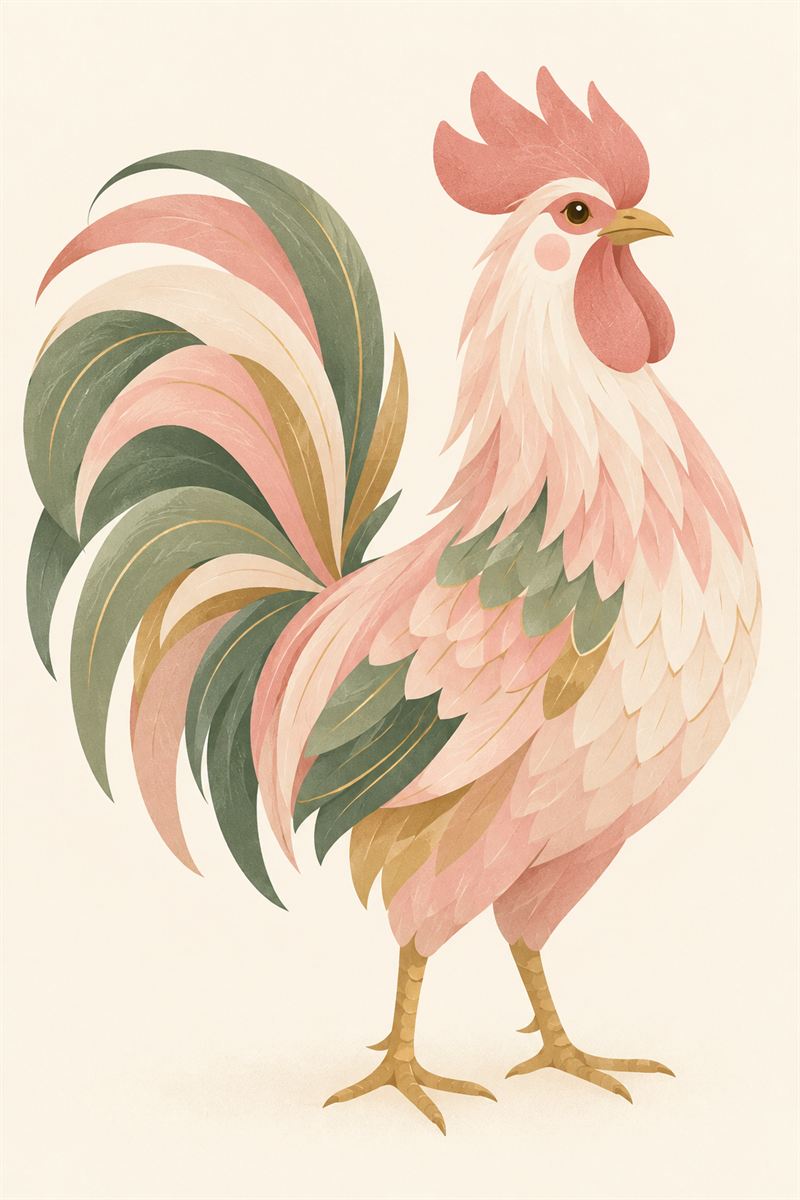
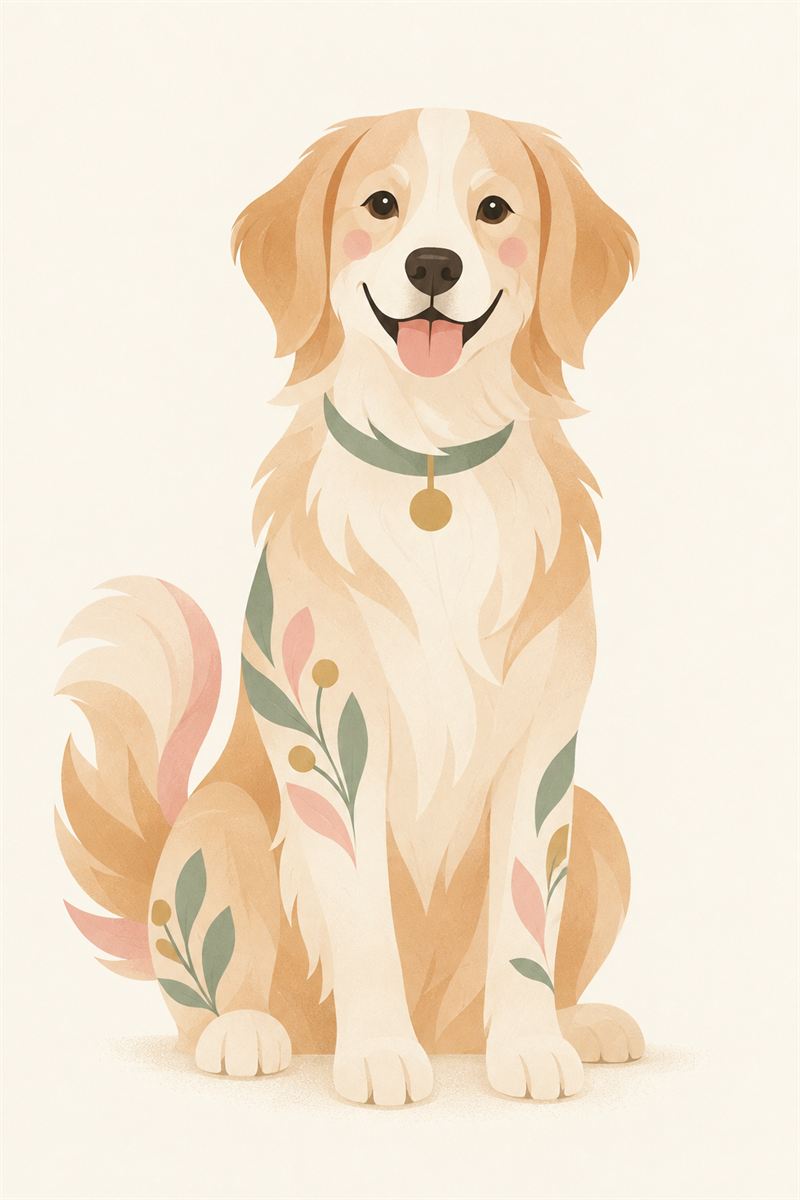
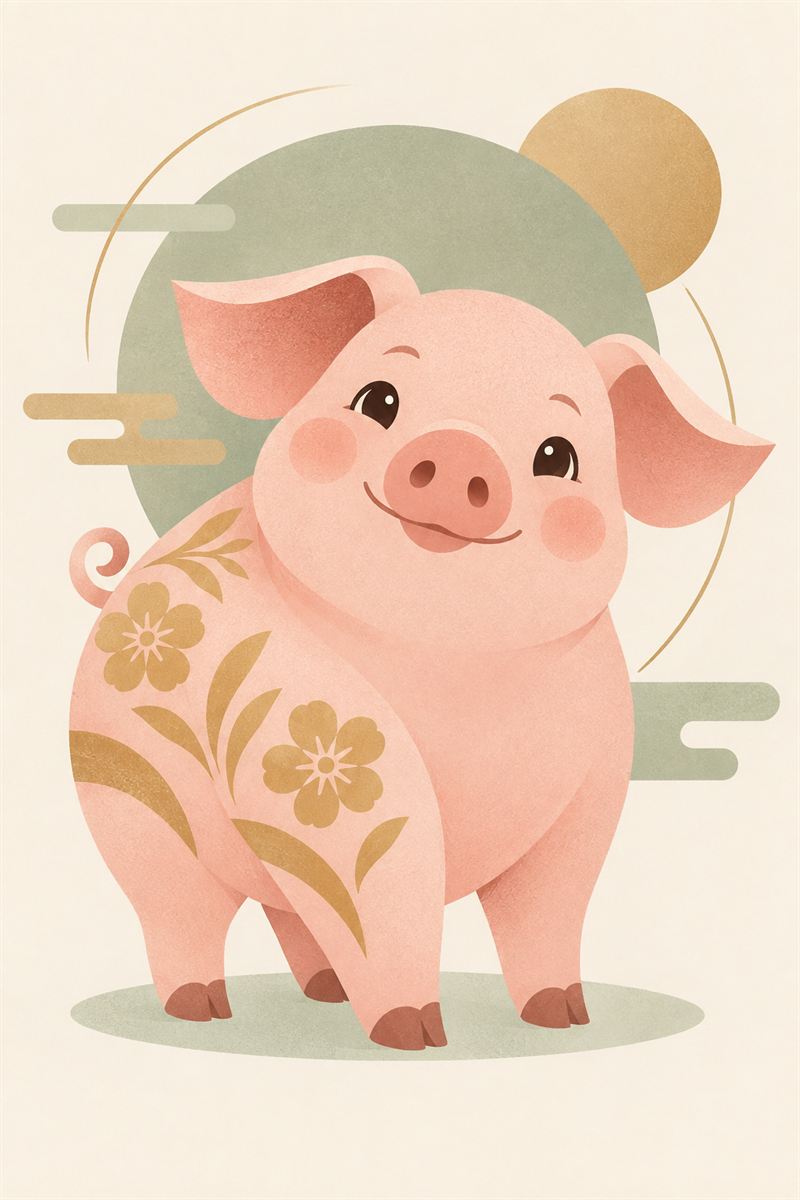
Contemporary flat illustration: the animal reduced to geometric shapes in a muted pastel palette — blush, sage, cream, dull gold — with a light grain over the top.
Best for: Small sizes, app icons and slide decks; it is the only set that stays legible under 100px.
Every illustration links back to the sign it belongs to — open a sign profile to read what the tradition says about it.